Water & Environment · Valley-wide
Nevada Has 890,000 Acre-Feet Banked in Lake Mead, but Most Is Out of Reach if the Lake Drops Below 1,000 Feet
Southern Nevada has stored Colorado River water in Lake Mead for two decades. The Nevada Independent reports federal rules suspend most withdrawals below 1,000 feet, and new banking may halt after Dec. 31 without a deal.
Listen to this brief · 5 min
Read aloud by an AI voice from the text below. Download MP3
What happened
For about 20 years, Southern Nevada has left part of its Colorado River share in Lake Mead and received credits it can draw on later. The Nevada Independent reported that the state held approximately 890,000 acre-feet of these credits at the end of 2025, citing the Bureau of Reclamation's annual water accounting report. That is nearly three years of Nevada's river allocation, which is capped at 300,000 acre-feet a year.
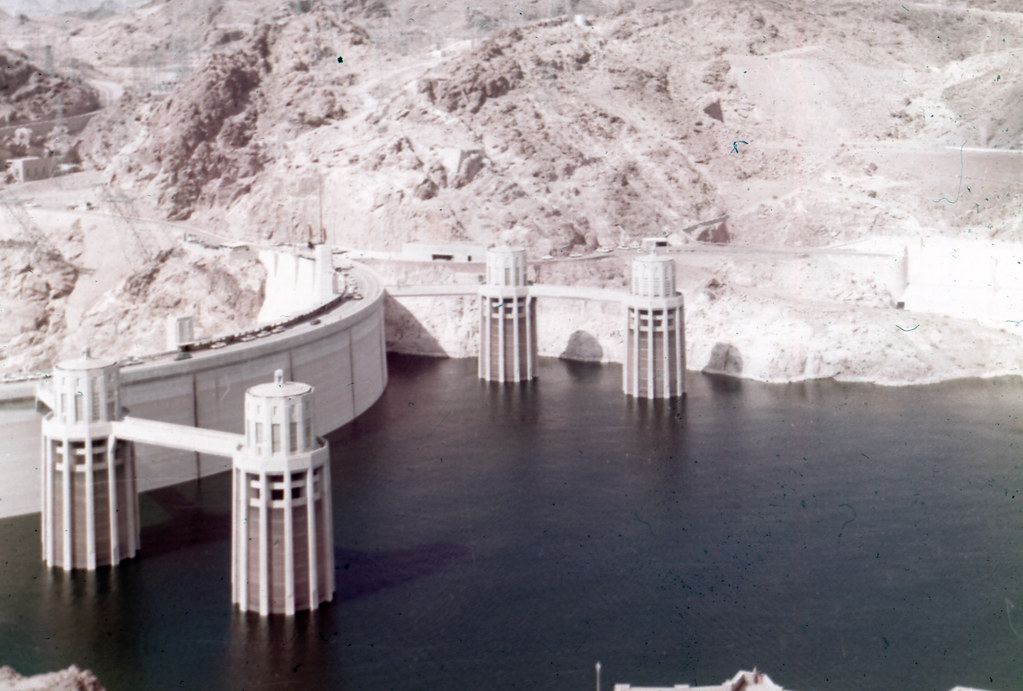
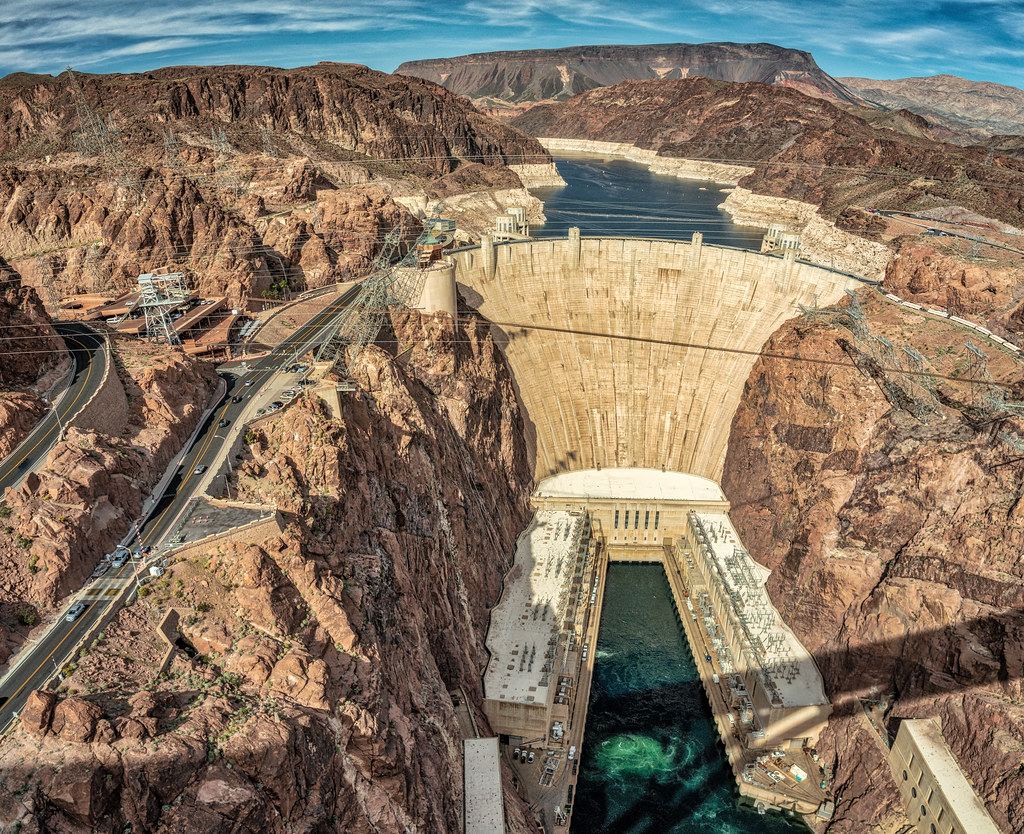
The catch is that federal rules block most of that water from being delivered if Lake Mead falls below 1,000 feet above sea level. Reclamation reported the lake at 1,037 feet on Oct. 18.
How the Lake Mead bank works
The credits are officially called Intentionally Created Surplus. Banking became part of the river's rules in 2007, when the seven basin states and the federal government adopted interim shortage guidelines. Colby Pellegrino, the Southern Nevada Water Authority's deputy general manager of resources, told the outlet the credits were meant to reward conservation rather than push agencies to use their full share or lose it.
Where Nevada's credits come from
According to Pellegrino, Nevada earns credits in four main ways. The largest piece, 400,000 acre-feet, comes from helping pay for the Brock Reservoir in Southern California. Southern Nevada has also banked about 267,000 acre-feet of conserved water since 2019, though that account is full until the Lower Basin states reach a new agreement. Other credits come from the Muddy and Virgin rivers and from funding conservation projects in Mexico.
What banking costs
Reclamation takes 10 percent off most new credits when they are created, then charges 3 percent a year for evaporation, the outlet reported. Some efficiency projects are exempt. The water authority also stores water outside Lake Mead, including about 614,000 acre-feet in Arizona's underground banks and about 342,000 acre-feet in groundwater beneath the Las Vegas Valley.
Why the lake level matters
The 1,000-foot cutoff
Between 1,025 and 1,000 feet, deliveries of banked water are constrained. Below 1,000 feet, a Reclamation spokesperson said delivery is "effectively suspended." Reclamation's October minimum probable projection, which models a dry future rather than forecasting one, shows the lake dropping below 1,000 feet in March 2028. Under near-average conditions in Reclamation's analysis, it never did.
The Muddy and Virgin river exception
Water Nevada banks from the Muddy and Virgin rivers counts as a separate supply during a shortage and can be taken at any lake level, Pellegrino confirmed. It remains available through 2057.
The debate over banking
Pat Mulroy, who led the water authority when the rules were written, said Southern Nevadans should understand that "banked water is keeping water in their taps because it allows the lake to stay up." Critics focus on that same effect. A January 2026 paper co-written by Kathryn Sorensen of Arizona State University's Kyl Center for Water Policy argues banking delays shortages without reducing use. Sorensen called the current setup "sort of a mirage."
Arizona water director Tom Buschatzke rejected that argument, saying Lake Mead "would be in much worse shape than it already is" without banking. For 2027 and 2028, the Lower Basin states agreed to fixed cuts, including 50,000 acre-feet a year for Nevada, as covered in our look at Nevada's Colorado River cut.
What happens to new banking
A Reclamation spokesperson told the outlet that no new water can be added to the bank after Dec. 31 unless the Lower Basin reaches an agreement, and the states have not announced one. The water authority said a pause would not affect access to credits already banked, which mostly remain available through the mid-2030s. Nevada sued the Interior Department in August over the new rules, and Buschatzke said the lawsuit has complicated the talks. More coverage is on our water page.
What to watch next
- Whether the Lower Basin states reach an agreement before the Dec. 31 deadline that would allow new water to be banked.
- Progress on making banked water "operationally neutral," a goal named in the states' May 1 proposal.
- Nevada's lawsuit against the Interior Department, which Arizona moved to join in October and the Central Arizona Project joined on Oct. 27.
- Lake Mead levels, with the new rules calling for talks on further action if the lake is projected to drop below 1,010 feet.