Water & Environment · Nevada
Devils Hole pupfish count rises to 137, up from 69 last fall, in Death Valley National Park's desert cavern
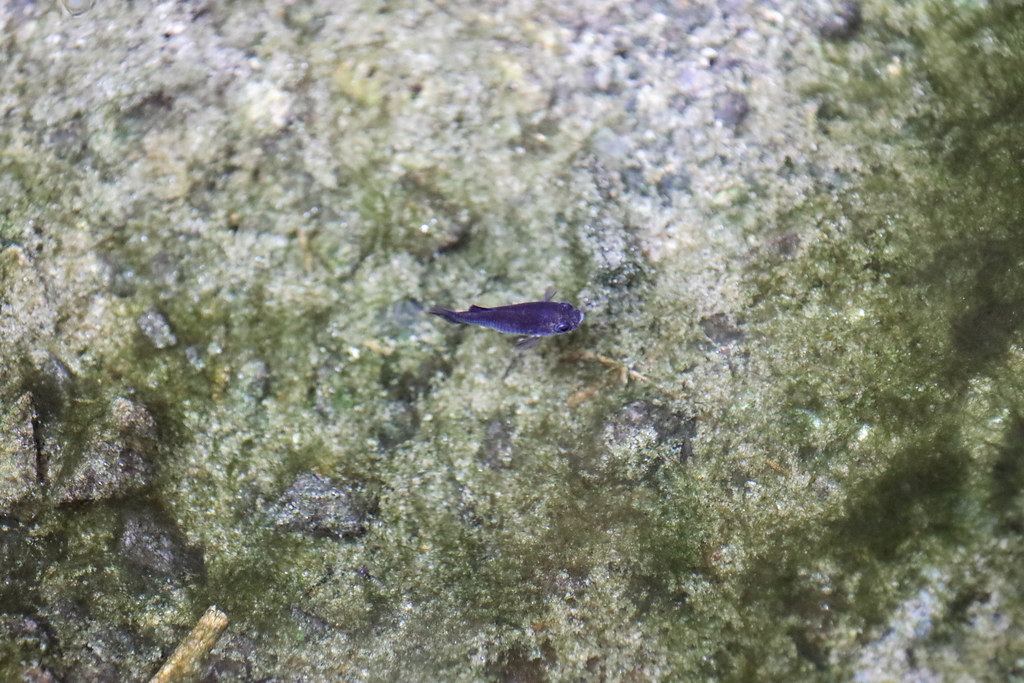
Biologists counted 137 Devils Hole pupfish this fall, up from 77 in spring and 69 last fall, the Review-Journal reported. The outlet said algae recovery and captive-bred releases are helping, though officials say challenges remain.
Listen to this brief · 4 min
Read aloud by an AI voice from the text below. Download MP3
What happened
The Devils Hole pupfish, a Southern Nevada fish thought to be the most endangered in the world, has rebounded in its latest federal survey, the Las Vegas Review-Journal reported. Biologists counted 137 fish during a fall count at Devils Hole. That is up from 77 last spring and 69 last fall.
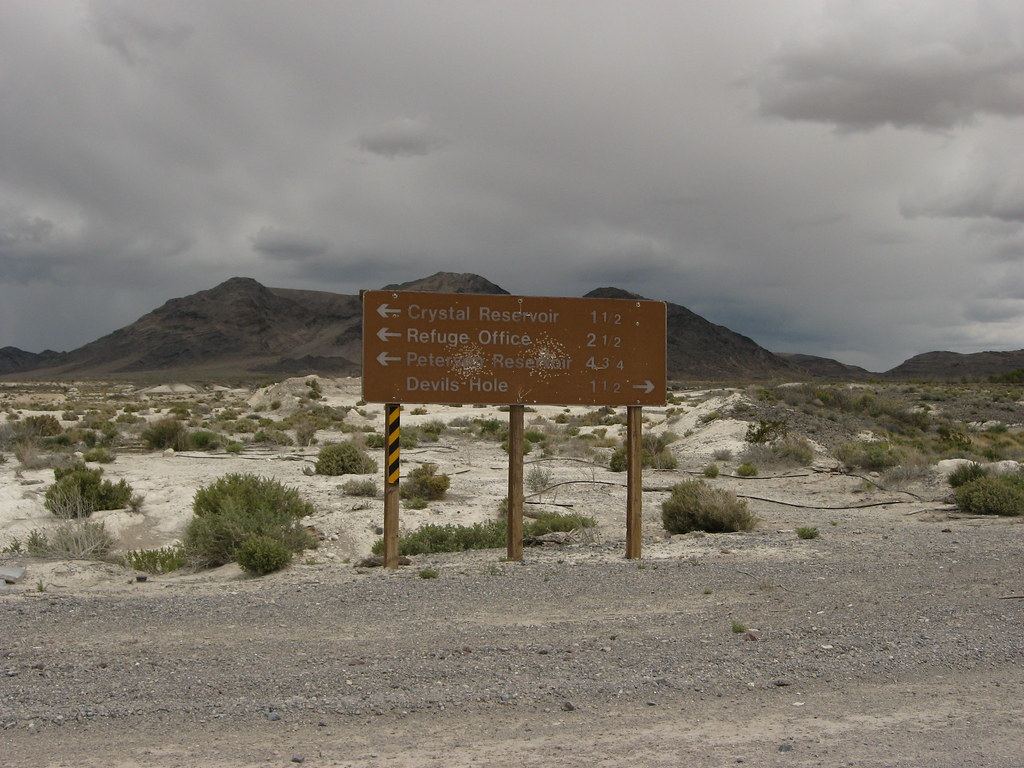
Devils Hole is an isolated desert cavern in Death Valley National Park, next to the Ash Meadows National Wildlife Refuge. Death Valley National Park Superintendent Mike Reynolds said in a Friday statement, "While challenges remain, we're encouraged by this progress and committed to its long-term survival."
How the fish are counted
According to the Review-Journal, the National Park Service and the U.S. Fish and Wildlife Service have counted the pupfish since 1972. The survey happens twice a year. Some biologists dive into Devils Hole while others count the fish swimming near the surface.
The cavern itself still holds unanswered questions. The Review-Journal reported that scientists still do not know how deep Devils Hole really goes.
Why the population has grown
Captive-bred fish released into the wild
Releasing fish raised in captivity is making a difference, the Review-Journal reported. A few miles from Devils Hole, a full 3-D recreation of the habitat sits indoors inside a 100,000-gallon tank. Scientists released 72 captive-bred pupfish into Devils Hole between March 2025 and February 2026.
The fish live only 10 to 14 months. Because of that short lifespan, biologists say most of the 137 fish seen in the fall survey hatched and grew up in Devils Hole itself.
Restoring the food supply
Scientists have also been helping recover algae, which the fish use as a food source, according to the Review-Journal. The outlet described that work, along with the captive-bred releases, as part of what is making a difference.
Earthquakes remain a risk
The Park Service says Devils Hole is especially vulnerable to earthquakes. Two earthquakes in 2025 contributed to the species' decline because the shaking disrupted algae and other food sources. When an earthquake in Panama shook Devils Hole in early October, the Park Service said scientists saw the population stay stable.
A long history tied to groundwater
The pupfish was listed as endangered under the federal Endangered Species Act in 1967. The Review-Journal reported that the listing responded to the major threat of groundwater drawdown from ranching and agriculture. Readers following groundwater and river issues can find more coverage in our water section.
The U.S. Supreme Court also stepped in. In its 1976 decision in Cappaert v. United States, the court upheld a ruling that ranchers could not pump groundwater in a way that would affect water levels at Devils Hole. Such pumping would undermine the federal government's conservation mission at what was then a national monument.
What officials are saying
A news release said the population naturally rises and falls, but described the latest count as encouraging progress for one of the world's rarest fish. The release added, "Continued monitoring, research and habitat management remain essential to the species' long-term survival."
What to watch next
- Results of future twice-yearly counts by the National Park Service and U.S. Fish and Wildlife Service, in a population the news release says naturally fluctuates.
- Ongoing monitoring, research and habitat management that the news release calls essential to the species' survival.
- How future earthquakes affect algae and other food sources in Devils Hole, a risk the Park Service has flagged.