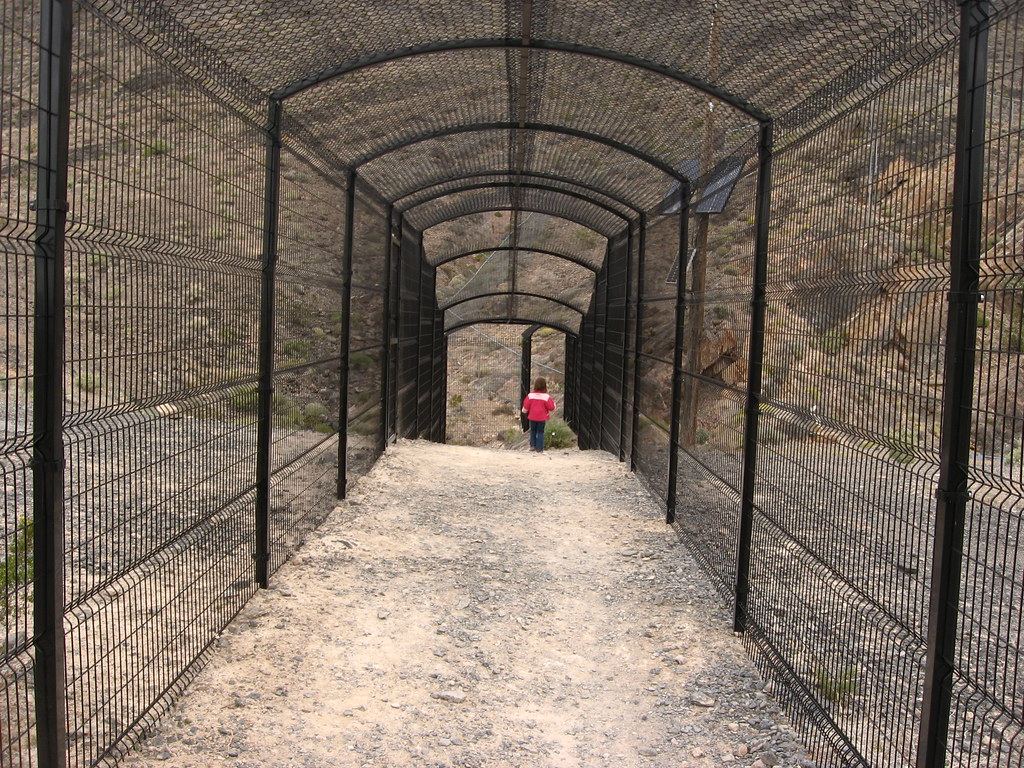
Water & Environment · Nevada
Endangered Devils Hole pupfish population more than doubles in a year after earthquakes cut it to 20 fish
A National Park Service survey on Oct. 10 counted 137 Devils Hole pupfish, up from 69 in fall 2025. The rebound follows releases of captive-raised fish and extra feeding after earthquakes cut the population to 20.
Listen to this brief · 4 min
Read aloud by an AI voice from the text below. Download MP3
What happened
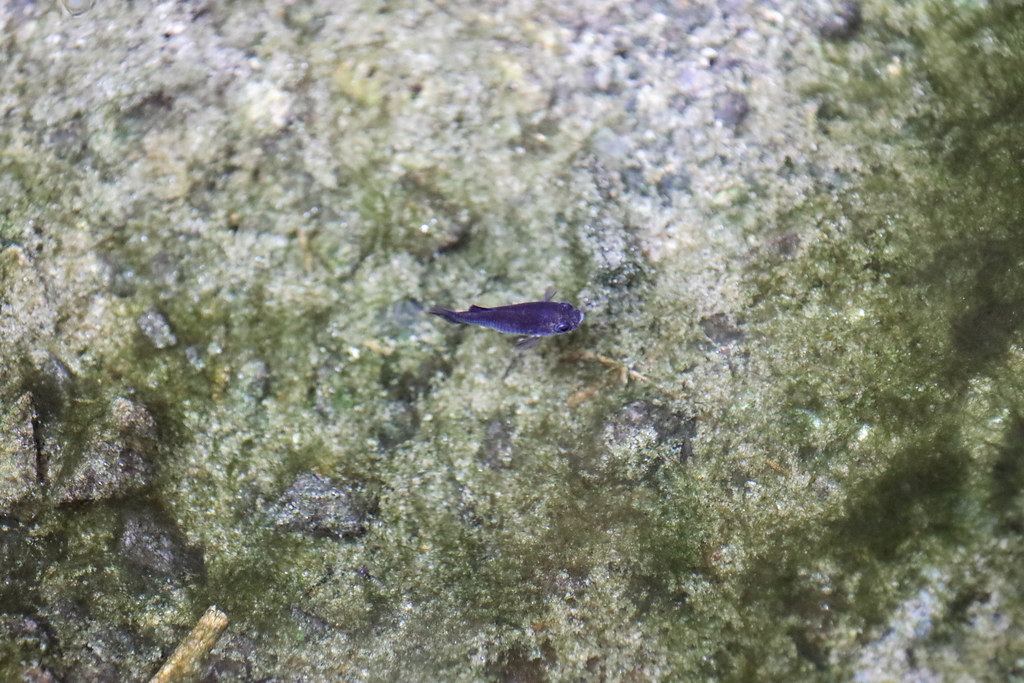
The population of the endangered Devils Hole pupfish more than doubled over the past year, Nevada Current reported. Wildlife biologists counted 137 of the fish during a National Park Service survey on Oct. 10. That is nearly twice the 77 fish recorded in the spring 2026 survey and more than double the 69 seen in fall 2025.
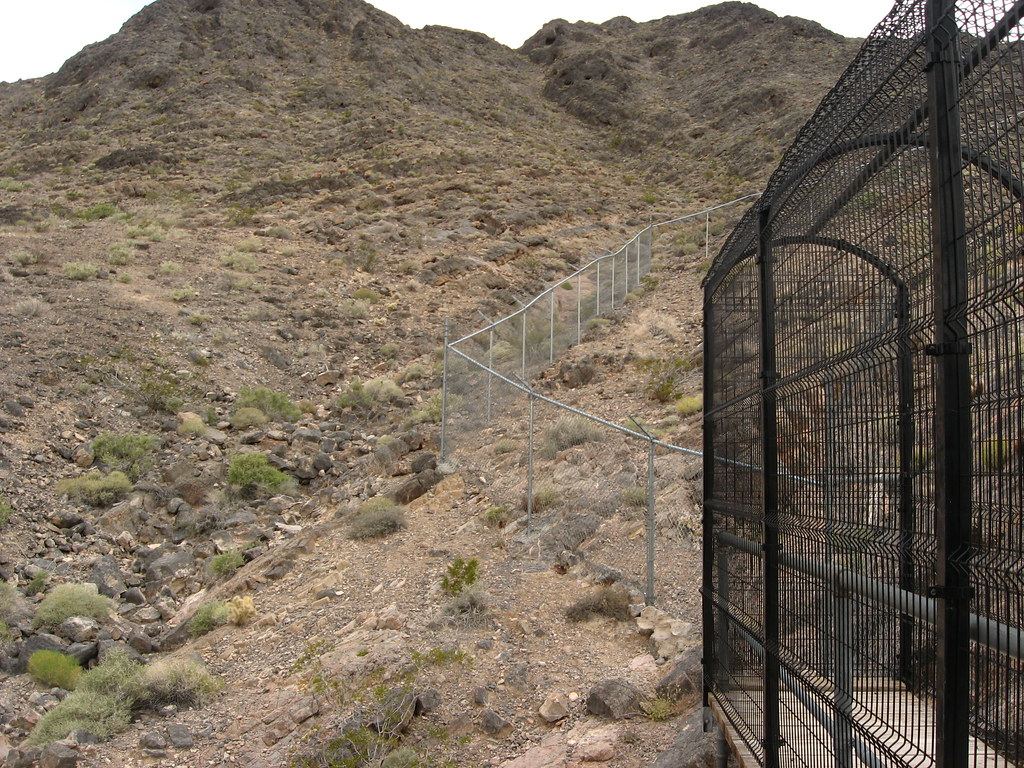
Nevada Current describes the tiny blue fish as one of the world's rarest. Its entire wild population lives on a shallow limestone shelf inside a sinkhole in Nevada's Ash Meadows National Wildlife Refuge, and it has struggled to keep its numbers above 100.
How earthquakes knocked the population down
About a year ago, the population in Devils Hole fell suddenly to 20 fish, according to Nevada Current. Two earthquakes, one in December 2024 and another in February 2025, sent waves through the sinkhole's normally still water. The waves dislodged algae and fish eggs from the shallow limestone shelf.
A harsh home
Conditions in Devils Hole are difficult even without disruptions. Water temperatures reach between 90 and 93 degrees, and oxygen and nutrient levels are low. The fish measure 0.9 inches long on average.
How biologists helped the fish recover
Captive-raised fish released
Between March 2025 and February 2026, wildlife biologists released 72 captive-raised pupfish into Devils Hole to help rebuild the population, Nevada Current reported. The fish came from a backup population at the Ash Meadows Fish Conservation Facility. It was the first time managers had released captive-raised pupfish into Devils Hole from that backup population.
Supplemental feeding
Biologists also provided supplemental feeding until the algae recovered. Studying the captive fish at the facility helped them learn how to supplement the diet of the fish in Devils Hole.
Biologists believe most of the fish counted in the fall survey hatched and grew in Devils Hole itself. They point to the fish's average lifespan of 10 to 14 months.
What officials said
Death Valley National Park Superintendent Mike Reynolds said in a statement, "It's exciting to see Devils Hole pupfish numbers increase so significantly over the past year." He also said, "While challenges remain, we're encouraged by this progress and committed to its long-term survival."
A long record of decline
The Devils Hole pupfish was listed as endangered in 1967 under the Endangered Species Preservation Act, the predecessor to the current Endangered Species Act enacted in 1973. According to Nevada Current, its population began to decline in the 1990s following growing groundwater pumping.
Biologists have counted the fish nearly every spring and fall since 1972. Spring surveys found more than 200 fish until the mid 1990s and an average of 90 each spring in the early 2000s. The count dropped suddenly to 35 in 2013, then climbed in recent years to a 25-year high in spring 2024.
Why the count matters
Biologists say the pupfish population naturally fluctuates, but they called the latest count encouraging. They stressed that "monitoring, research and habitat management remain essential to the species' long-term survival." For more on groundwater and other resource issues in the state, see our Nevada water coverage.
What to watch next
- Upcoming population surveys, which biologists have conducted nearly every spring and fall since 1972.
- Continued monitoring, research and habitat management, which biologists say remain essential to the species' long-term survival.
- The remaining challenges cited by Superintendent Mike Reynolds, who said the park is committed to the species' long-term survival.