Development · Nevada
Nevada regulators approve Switch's 510-megawatt natural gas plant in Northern Nevada to power its data centers
The Public Utilities Commission approved a behind-the-meter gas plant at the Tahoe-Reno Industrial Center for Switch despite pushback, as data center demand outpaces what NV Energy's grid can quickly serve.
Listen to this brief · 4 min
Read aloud by an AI voice from the text below. Download MP3
What happened
The Nevada Public Utilities Commission has approved a natural gas power plant that data center company Switch will use to power its data centers, the Las Vegas Review-Journal reported. The commission voted on Tuesday during a regular agenda meeting, despite what the newspaper described as significant pushback.
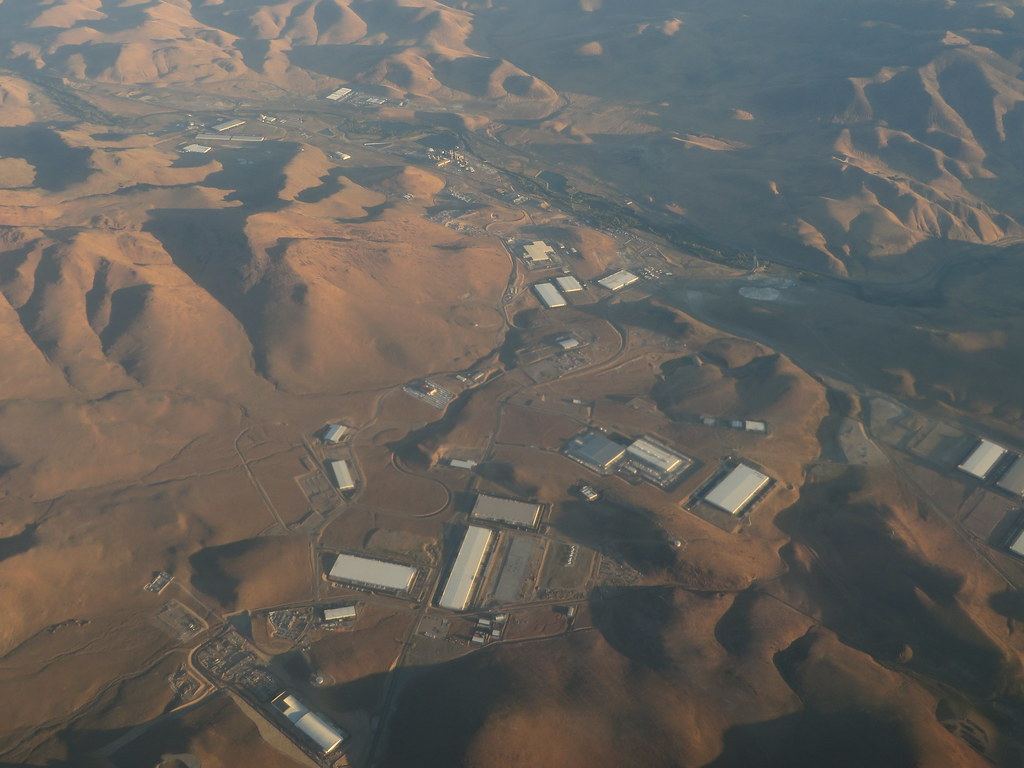
The plant will cover about 20 acres and produce 510 megawatts. It will sit on the former Sierra Biofuels Refinery site in the Tahoe-Reno Industrial Center in Northern Nevada, with Switch as its primary user.
Who is behind the project
According to the Review-Journal, Nexus Fulcrum LLC first filed the application with the commission in June. That filing named only an unidentified "single off-taker" as the customer for the power.
In October, Switch disclosed in a filing that it is both "the intended off-taker" and the "ultimate owner" of the plant, the newspaper reported.
Construction timeline
Filings cited by the Review-Journal show the plant will use nine gas turbines. Construction is set to begin in the first quarter of 2027 and finish in 2029.
Water use
During construction, the project would use 10,000 to 20,000 gallons of water per day, according to the filings. Over its life cycle, it would use 145 acre feet, or 47 million gallons, of water per year.
Why data centers are building their own power
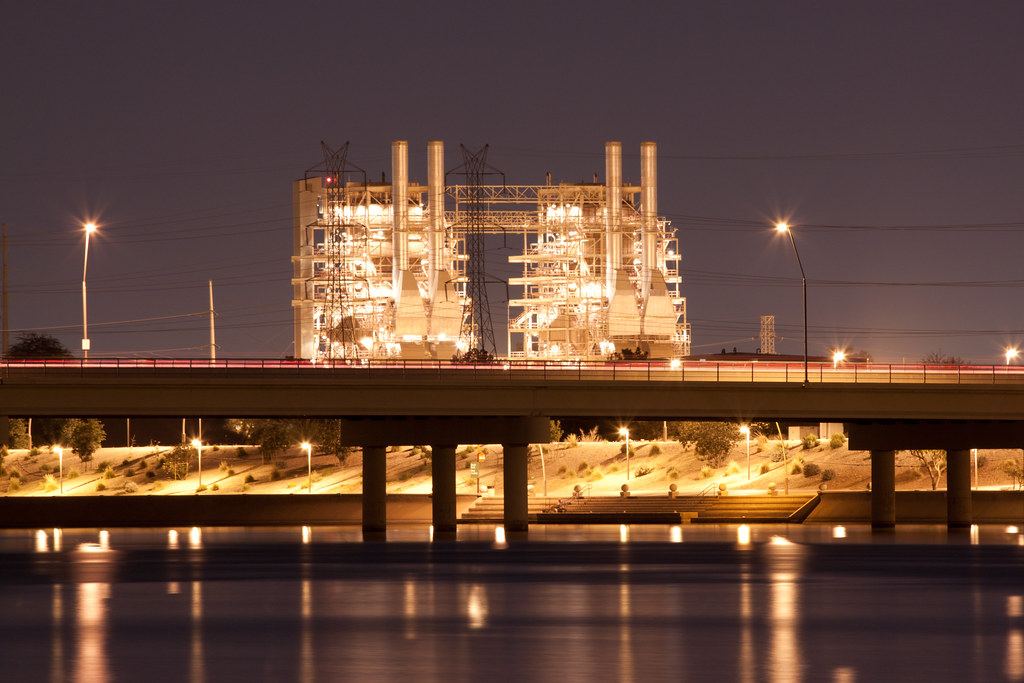
The plant is described as behind-the-meter, and the Review-Journal said it would allow Switch to generate its own power. The newspaper reported that developers are proposing their own behind-the-meter plants to bypass a long queue of large load customers waiting to connect to the grid. NV Energy currently lacks the infrastructure to immediately serve the many data centers interested in the region, the newspaper said.
Getting connected can take two to three years, or longer if the utility must build infrastructure, said Jonathan Koomey, an energy researcher and founder of Koomey Analytics. "The reason why people are doing the behind-the-meter power is because it's a way to short-circuit that," Koomey told the Review-Journal.
Speed versus cost
Koomey said gas turbines are the fastest way to get data centers running, but not the cheapest, and the dirtiest option. "It's pretty clear that solar, wind and batteries are the cheapest way to generate bulk power," he said. The broader debate over data centers and electricity has also played out elsewhere, as covered in our brief on a report about data center backlash.
The bigger picture for Nevada's grid
NV Energy said in a recent filing laying out its 20-year load growth road map that data centers will grow from 5 percent of electricity sales today to 64 percent by 2046, the Review-Journal reported.
The utility's existing and approved systemwide generating capacity through 2050 is roughly 10 gigawatts. If projected data center demand materializes, the capacity needed could exceed 20 gigawatts by 2050, according to the newspaper.
Not the first approval
The Switch decision follows a similar one in September, when the commission approved two temporary natural gas plant requests from Fleet Data Centers after hearing hours of public comment against the approach. Those two plants are meant to power two of the developer's data centers, totaling 362 megawatts. More on growth and infrastructure is in our development coverage.
What to watch next
- Construction on the Switch plant is scheduled to begin in the first quarter of 2027, according to filings cited by the Review-Journal.
- The plant is expected to be finished in 2029.
- Whether projected data center demand materializes, which NV Energy says could push needed generating capacity above 20 gigawatts by 2050.