Water & Environment · Nevada
Federal officials plan first-ever low-level Hoover Dam turbine tests as recent floods lift Lake Mead and buy time
Record floods have lifted Lake Mead more than 2 feet since late October, but the Bureau of Reclamation is preparing to test whether older Hoover Dam turbines can run at lower water levels, a key question for Nevada utilities.
Listen to this brief · 5 min
Read aloud by an AI voice from the text below. Download MP3
What happened
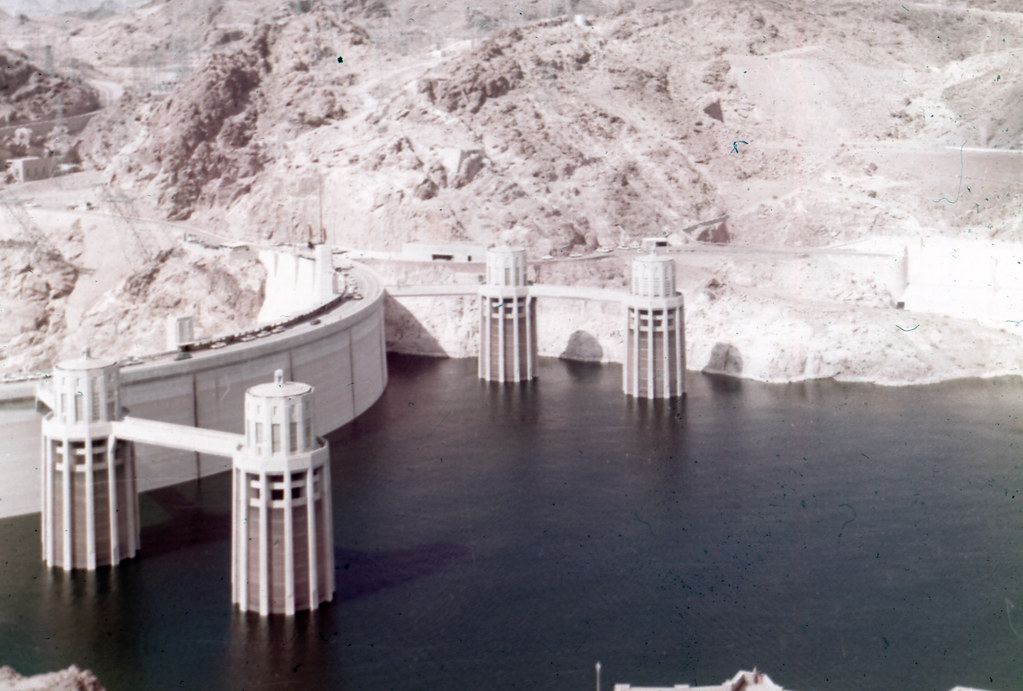
The Bureau of Reclamation plans to test, for the first time in history, whether older turbines at Hoover Dam can keep running as Lake Mead drops to lower levels, the Las Vegas Review-Journal reported. At the same time, record floods across the Colorado River Basin have pushed the reservoir up, giving the dam some extra room before levels that could threaten hydropower.
Agency spokesman Peter Soeth told the Review-Journal the tests will come with strict limits on operating hours, along with monitoring and frequent inspections. "The testing results will clarify the shutdown elevation and provide Reclamation a more accurate picture of the facility's capacity as reservoir levels decline," Soeth said.
Why the turbines matter
Only a few are built for drought
Hoover Dam has 17 turbines, but only five are wide-head turbines able to operate with Lake Mead below elevation 1,035 feet without a guaranteed risk of permanent damage, according to the Review-Journal. One of them, Turbine A8 on the Arizona side, has been out of service for months while it waits for repairs.
Rural utilities depend on the power
The Review-Journal reported that a continued decline at Lake Mead could mean a crisis for rural utilities in Nevada, Arizona and California that have relied on Hoover Dam power for decades. In Nevada, utilities in Lincoln County, Boulder City, Overton and other communities have historically depended on the dam.
How the floods changed the picture
Lake Mead and Lake Powell rise
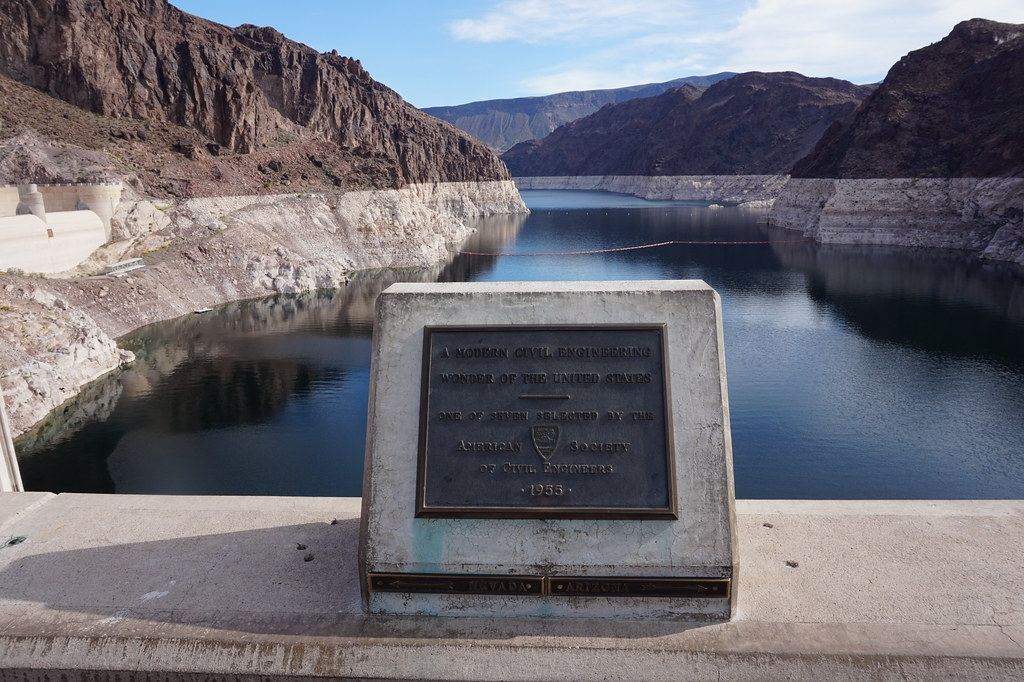
Lake Mead, which supplies about 90 percent of Southern Nevada's water, rose more than 2 feet since late October and stood at elevation 1,039.41 feet as of Friday, the Review-Journal reported. Upstream, Lake Powell has climbed about 20 feet since hitting a record low in September. Earlier Reclamation projections had placed Lake Mead below 1,035 feet by the end of October.
The rain behind the rise has been deadly and disruptive. The Review-Journal reported that it left one person dead in Henderson during a water rescue, devastated Native American settlements in Arizona and New Mexico and complicated travel to the polls on Election Day. Scientists have tied the storms to what they call a "Super El Niño" pattern.
The gains may not last
Reclamation will not decide how much water to release from Lake Powell again until April 2027, so Lake Mead could keep falling over the next year despite the added storage, according to the Review-Journal. Readers can learn more about how the state's reserves work in our explainer on Nevada's Lake Mead water bank.
What water and power officials are saying
Colby Pellegrino, deputy general manager of the Southern Nevada Water Authority, said the agency is "very appreciative for every drop of water that gets in the reservoir." Pellegrino said the authority's climate modeling could suggest warmer temperatures are shifting more of the basin's water to rain instead of snow, and called the current pattern "somewhat terrifying for our river communities."
Elizabeth Koebele, a University of Nevada, Reno professor who studies Colorado River governance, told the Review-Journal the rise is welcome but "isn't the end game." The broader river picture includes Nevada's own reductions, covered in our look at the Colorado River cut that started Oct. 1.
Eric Witkoski, executive director of the Colorado River Commission of Nevada, which manages the state's share of Hoover Dam power, said he was very concerned about the tests until he learned the details. He said he came away with a much better sense that Reclamation has ways to monitor the turbines and shut them down. His commission built a dashboard showing members how much power to expect at different lake levels, and utilities have prepared to buy power on the wholesale market, where prices can be volatile.
Witkoski described the range between 1,025 and 1,035 feet as a "gray area" with uncertainty about how much power utilities may be able to buy during the low-level experiments. He also noted the region has had a drought for more than 20 years. More coverage is in our water section.
What to watch next
- Reclamation's first-ever tests of older Hoover Dam turbines at lower Lake Mead levels, including what shutdown elevation they identify.
- Reclamation's next decision on Lake Powell releases, expected in April 2027.
- Repairs to Turbine A8, one of five drought-ready wide-head turbines, which has been out of service for months.
- Installation of the first new wide-head turbine funded by the Help Hoover Dam Act, which Soeth expects in 2028.