Water & Environment · Valley-wide
Nevada's Colorado River cut begins with the new water year. Here is why the valley can absorb it
A short-term deal trims Nevada's share by 50,000 acre-feet a year for two years. Southern Nevada used far less than its allocation in 2025, so no new household restrictions are planned.
Listen to this brief · 3 min
Read aloud by an AI voice from the text below. Download MP3
What took effect on Oct. 1
October 1 is the start of the water year on the Colorado River, and this year it brings the first round of reductions under a short-term agreement among the basin states. With no long-term deal in place, the negotiated arrangement calls for Nevada to cut 50,000 acre-feet a year for the next two years, KTNV reported.
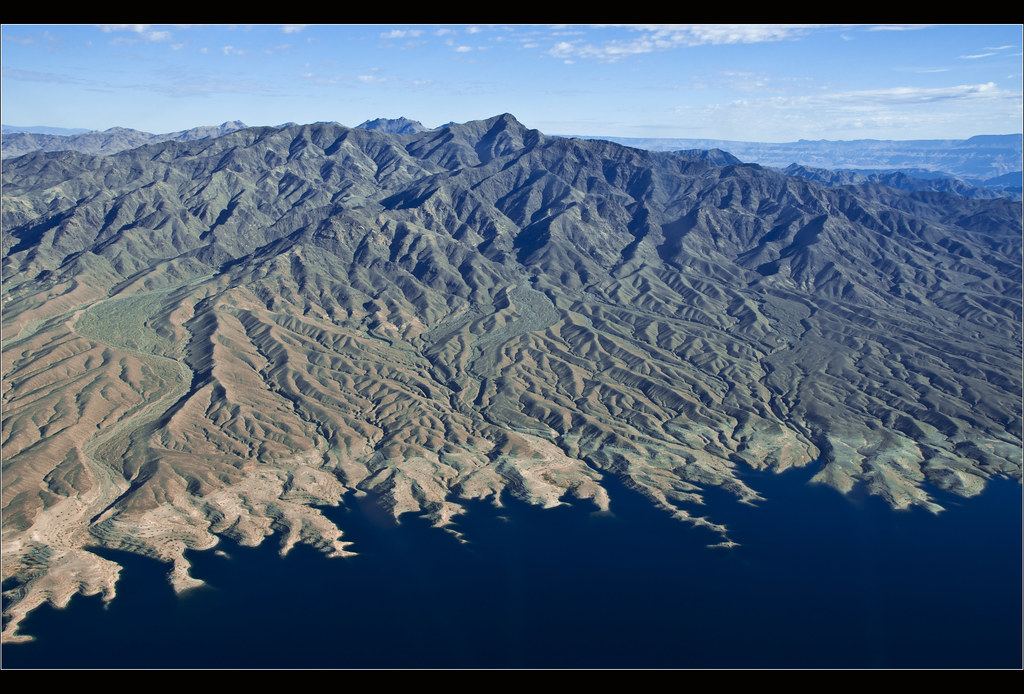
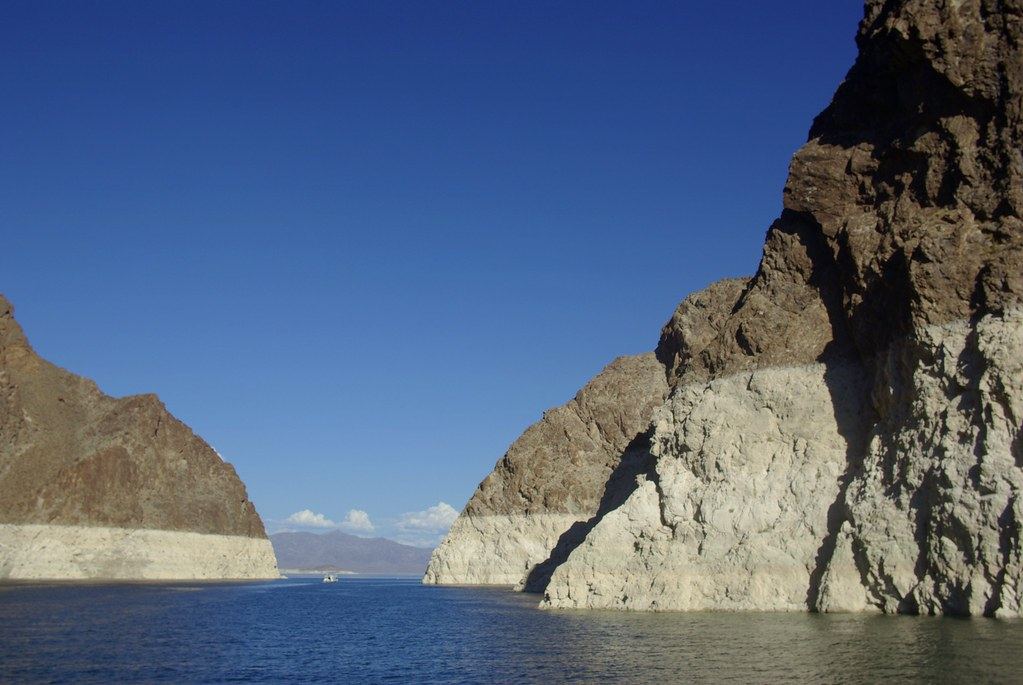
Nevada also agreed to set aside an additional 100,000 acre-feet in Lake Mead. According to the Southern Nevada Water Authority, the state has already banked about half of that, with the rest to be stored over the next two years. California and Arizona have agreed to their own reductions.
Why the cut does not mean new rules at home
The buffer between allocation and use
Nevada is entitled to 300,000 acre-feet of river water each year and used about 198,000 acre-feet in 2025. That leaves a gap of roughly 102,000 acre-feet, and the 50,000 acre-foot reduction comes out of that gap rather than out of current use. "We do still have quite a bit of flexibility," Colby Pellegrino, the water authority's deputy general manager for resources, told the station.
What residents are still asked to do
Pellegrino said the authority does not expect to ask for new conservation measures under most reasonable river outcomes, but that the existing ones have to keep working: removing non-functional grass, fixing leaks, not wasting water and following the seasonal watering schedule. Those are the same habits our development coverage keeps returning to, because every new project adds demand to the same supply.
The longer-term risk
A drought nearing 30 years
The reductions follow a drought that has lasted nearly three decades and a 2025-2026 year that ranked as the fourth driest on record. The short-term outlook for Southern Nevada is manageable; the long-term outlook is not settled.
The federal proposal and the lawsuit
Under a plan put forward by the federal government, lower-basin states would face much deeper cuts, and Nevada could lose up to 71% of its Colorado River share. That proposal prompted a lawsuit against the federal government. As of the station's report, government lawyers had not yet filed a response.
What to watch next
- Whether the basin states reach a long-term agreement before the two-year deal runs out.
- The federal government's response to the lawsuit over the proposed lower-basin cuts.
- Lake Mead elevation forecasts, which drive the shortage tiers each year.
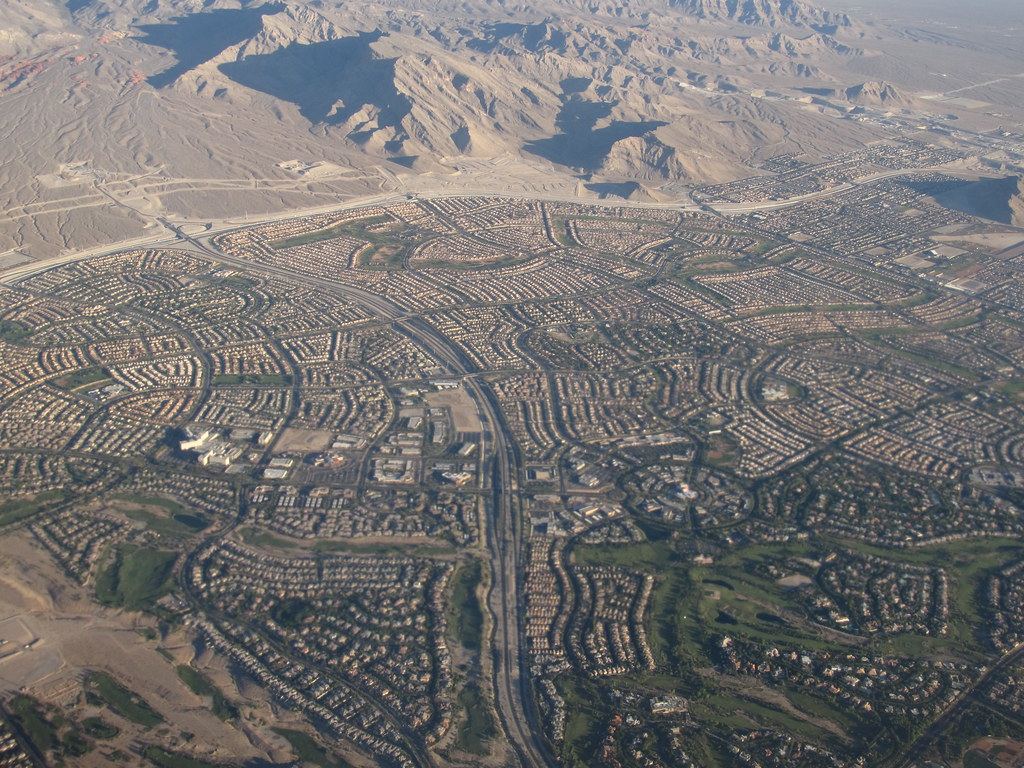
For how growth on the valley's edges fits into this picture, see our report on Hylo Park's final phase in North Las Vegas, which includes 400 planned homes.