Water & Environment · Valley-wide
Southern Nevada Water Authority approves $20.85 million contract to lower its deepest Lake Mead intake by 30 feet
The water authority's board hired Granite Construction to lower its third Lake Mead intake to 845 feet, a project officials say prepares the valley for a drier Colorado River future.
Listen to this brief · 4 min
Read aloud by an AI voice from the text below. Download MP3
What happened
The Southern Nevada Water Authority's board on Thursday approved a $20.85 million contract with California-based Granite Construction Co. to lower the agency's deepest Lake Mead intake by another 30 feet, the Las Vegas Review-Journal reported. The contract covers design, permitting and construction. The Review-Journal reported the cost to ratepayers will be nearly $21 million.
According to the Review-Journal, officials are preparing for a drier Colorado River future and worse drought conditions ahead. The project will rely on divers, cranes and robot submarines working at the bottom of the reservoir.
How the third intake works today
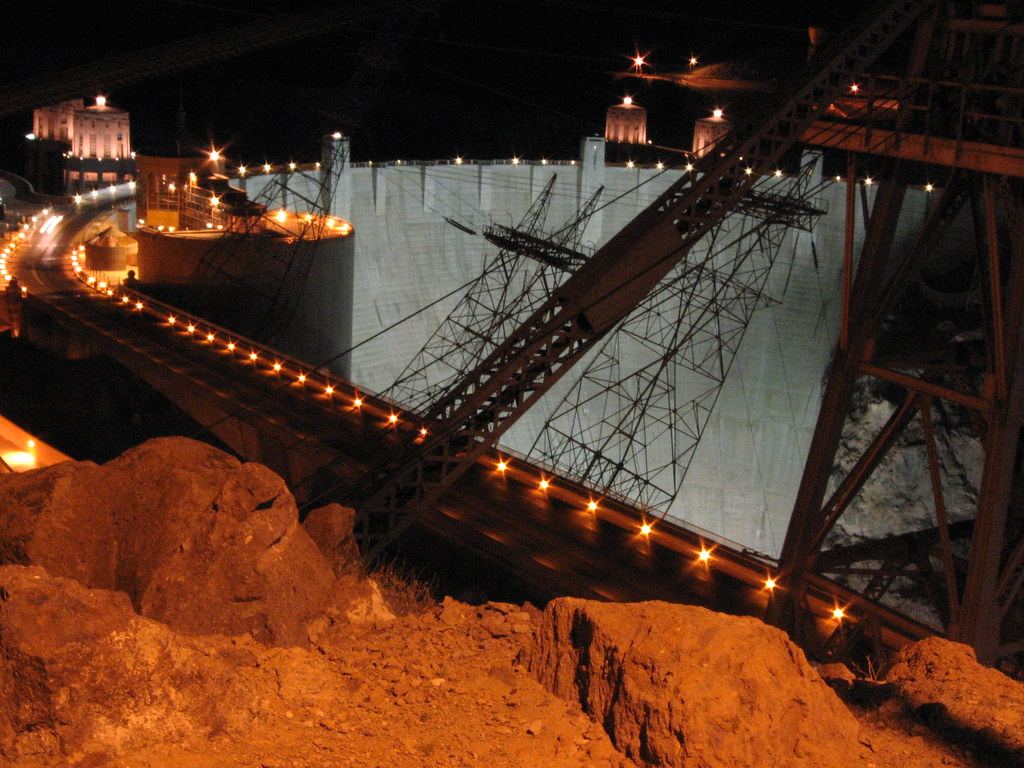
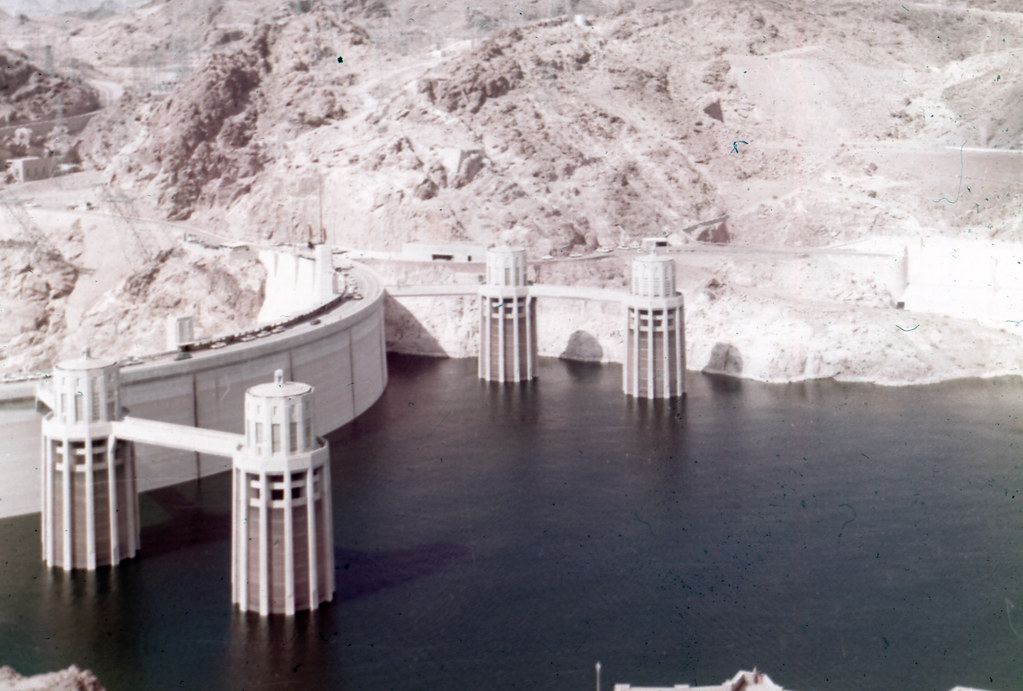
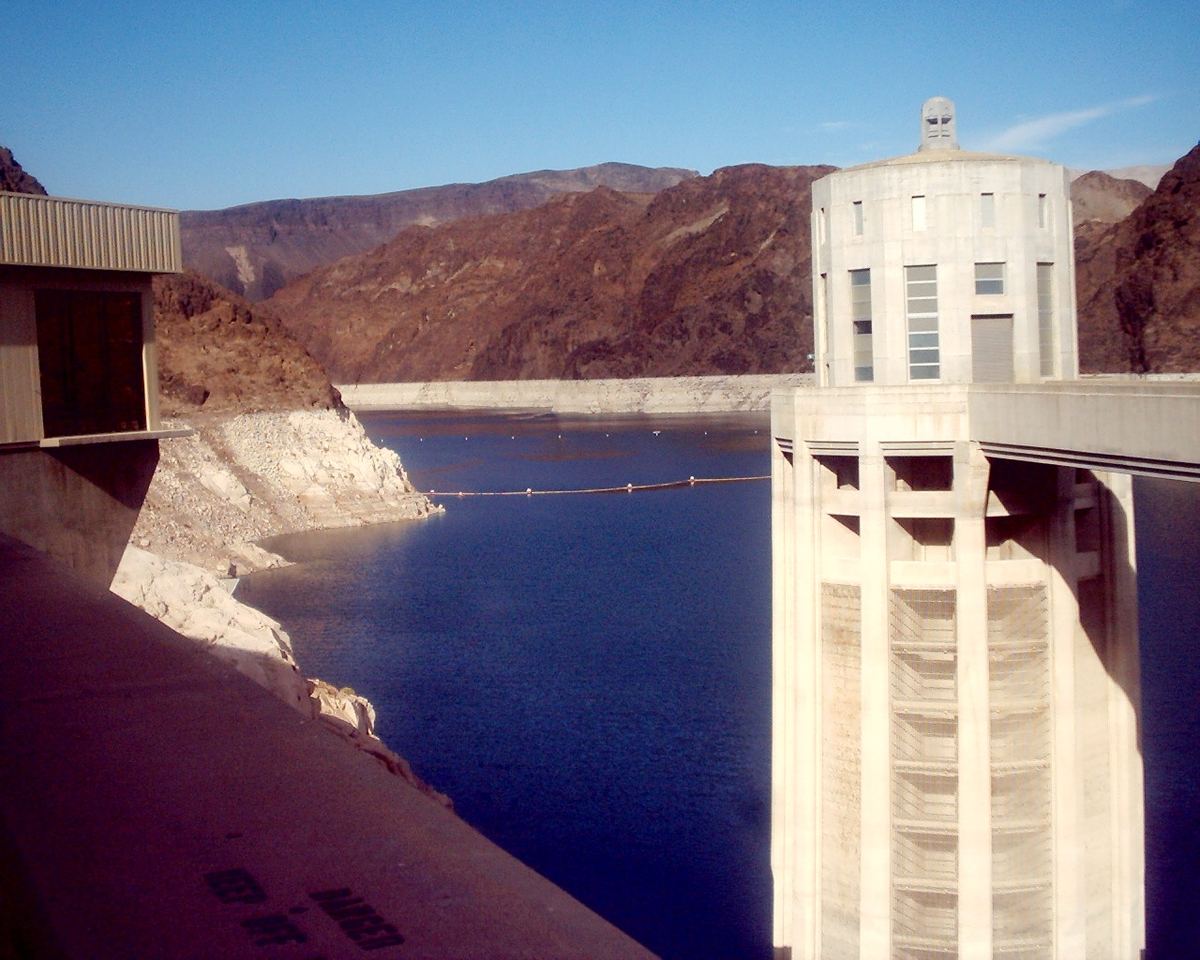
The agency's third intake cost $817 million and has delivered water to the region reliably for more than a decade, the Review-Journal reported. A steel section about as tall as a 10-story building pulls water at 875 feet above sea level.
That level sits 20 feet below what is known as deadpool, a crisis scenario in which water cannot pass through Hoover Dam and downstream deliveries could be disrupted. After the work, the intake will draw water at 845 feet in elevation. Readers following the river's shortages can find more coverage on our water page.
Why go deeper
Doa Ross, the water authority's deputy general manager of engineering, told the Review-Journal in a Wednesday interview that "Deeper, colder water is cleaner and easier to treat." She called that "the crux of the entire goal here."
A planned option, not an afterthought
Ross said the intake was built with this option in mind and that waiting on purpose saved money over time. "We have always anticipated the ability to lower this intake," she said. She explained that a lower intake means pumping water a greater distance, which adds expense. Ross also said 845 feet is the lowest the intake can go.
How the work will be done
General Manager John Entsminger presented the project at Thursday's board meeting before the vote. He said the plan is to unbolt the top two sections of the intake so crews do not have to disturb the concrete structure at the bottom, according to the Review-Journal.
Entsminger said removing those sections will take a floating crane, robot submarines and divers. "We do believe we have the right people in place and the right technology in place to move forward," he said.
Divers on the lake floor
Over a four-month construction window, divers will work at the bottom of the lake in eight-hour stretches, undoing bolts and welding, the Review-Journal reported. Ross said the Las Vegas Valley will fill its reservoirs at that point to avoid service disruptions. "Our customers will have no idea this is actually happening," she said.
What it means for valley water service
Entsminger said the agency is confident in its system, which can deliver up to 900 million gallons per day to the valley. Peak demand during hot summers is 620 million gallons per day, he said. For background on Nevada's reduced share of the river, see our explainer on Nevada's Colorado River cut.
What to watch next
- Design and permitting work under the $20.85 million Granite Construction contract.
- Construction, which water authority spokesman Bronson Mack said is planned to begin in January 2028 and wrap up that April.
- The valley filling its reservoirs during the construction period to avoid service disruptions, according to Ross.