Water & Environment · Valley-wide
Fall floods raised Lake Powell about 23 feet and Lake Mead more than four feet, but federal forecasts say the gains may not last
October and November storms added water to the Colorado River's two biggest reservoirs, the Review-Journal reported. Federal forecasts show Lake Mead could lose its gains by March and keep dropping into next summer.
Listen to this brief · 4 min
Read aloud by an AI voice from the text below. Download MP3
What happened
Heavy storms in October and November sent more water into the Colorado River system, raising Lake Powell and Lake Mead from their early October lows, the Las Vegas Review-Journal reported. Lake Powell has climbed roughly 23 feet in that period, and Lake Mead has risen more than four feet.
U.S. Bureau of Reclamation spokesman Peter Soeth said the agency estimates Lake Powell gained about 1.3 million acre-feet, or 423.6 billion gallons, from the storms. Even so, Soeth said both reservoirs remain lower than they were at this point last year.
Why the gains may not hold
Soeth told the Review-Journal that "substantial hydrologic uncertainty in water year 2027 remains" despite improved conditions at Lake Powell. Federal forecasts released last week show Lake Mead is likely to lose its recent gains by March.
Lake Mead forecast for next summer
According to those forecasts, Lake Mead could end up between 19 and 27 feet below its current level by next summer. How far it falls depends on how much water the federal government releases from Lake Powell upstream.
Hoover Dam preparations
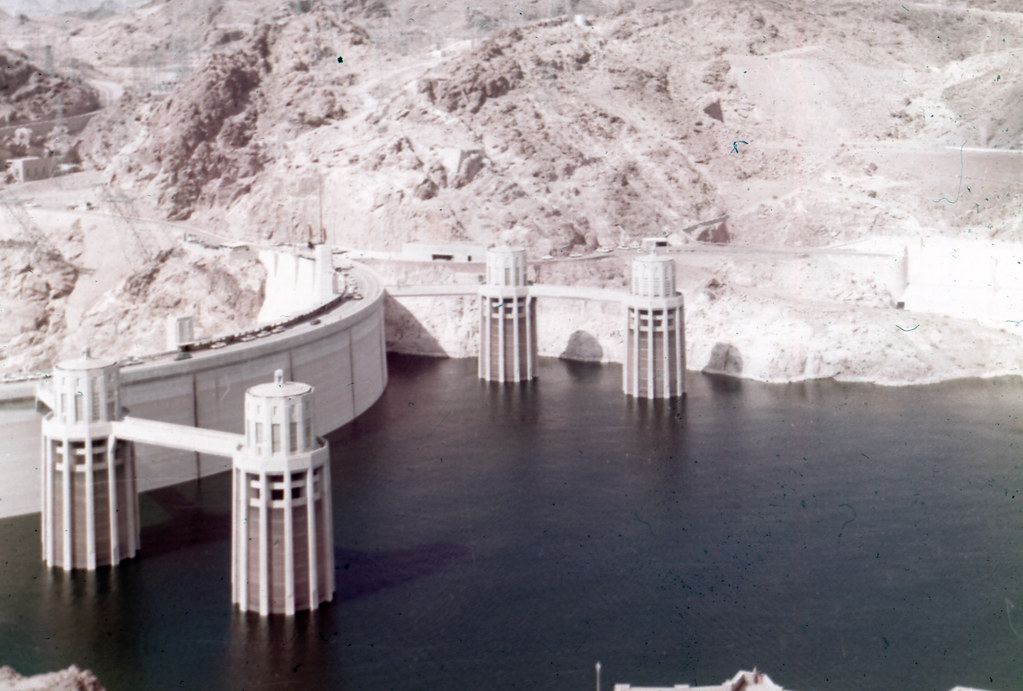
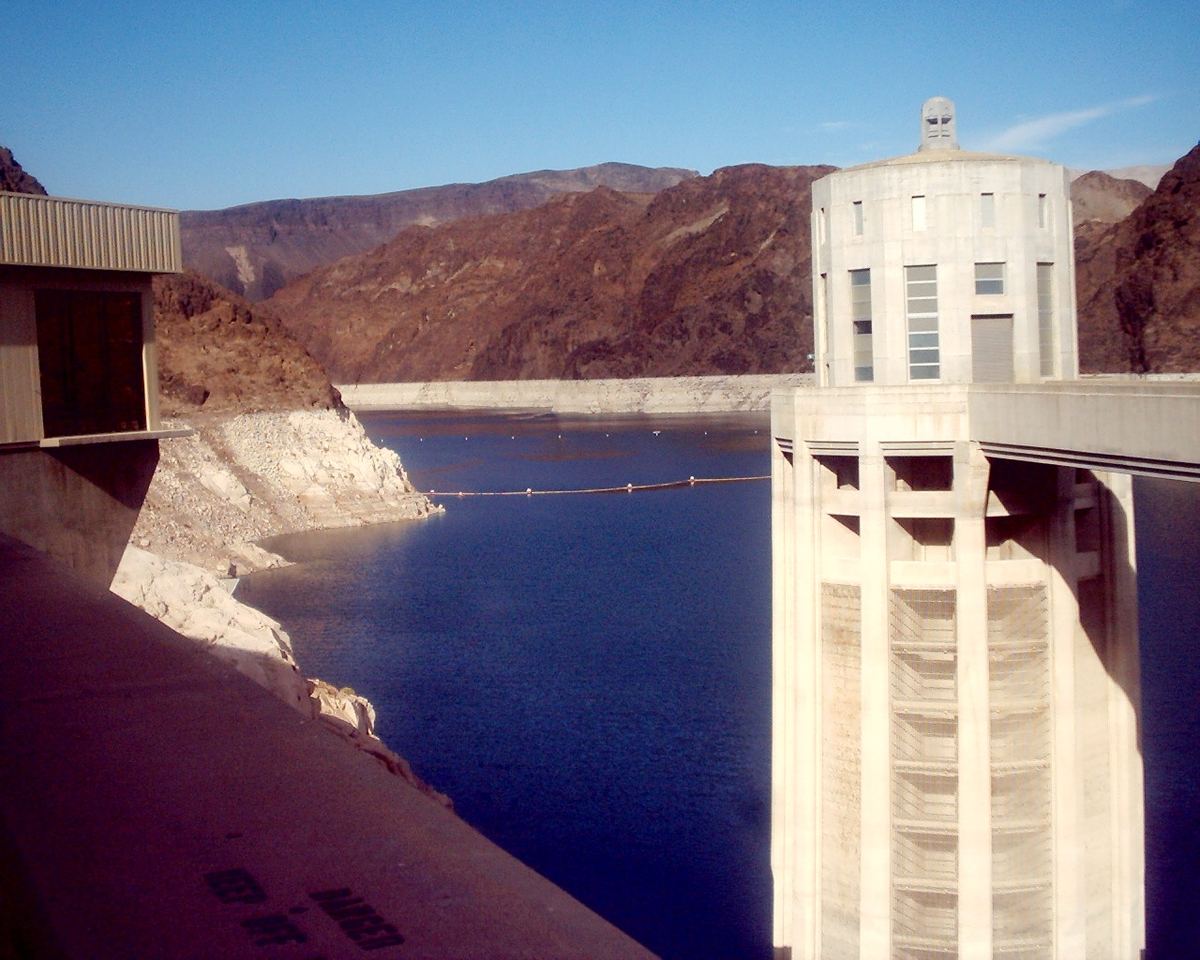
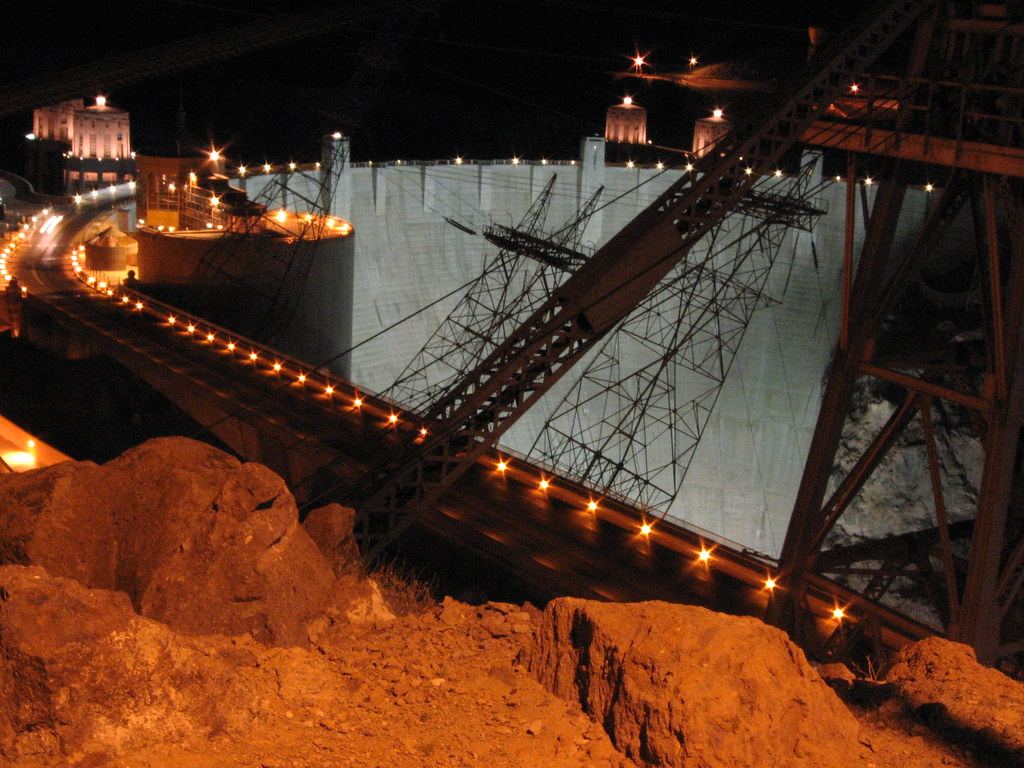
The Bureau of Reclamation told the Review-Journal this month that it is readying low-level tests for older turbines at Hoover Dam. The goal is to limit hydropower losses as the reservoir drops.
Federal focus on Lake Powell
The Review-Journal reported that federal management decisions this year have focused on Lake Powell at Lake Mead's expense. Soeth said the agency will keep releasing supplemental water from Flaming Gorge Reservoir upstream to stabilize Lake Powell, despite the recent improvements.
What Southern Nevada water officials and experts say
Colby Pellegrino, deputy general manager of resources at the Southern Nevada Water Authority, noted at a board meeting last week that Lake Mead is 27 percent full and Lake Powell is 28 percent full. Earlier this month she said early modeling shows warmer temperatures could mean the Rocky Mountain snowpack that water managers count on comes as rain instead.
"This will not get us back to an average release from Lake Powell because we are still so low," Pellegrino said, adding that this would change only if the whole year matched its first two months. Readers can follow ongoing coverage in our water section.
Elizabeth Koebele, a professor at the University of Nevada, Reno, told the Review-Journal that the extra water may provide more flexibility over the next six or so months but that it is too early to judge long-term effects. She said floods are adding to the unpredictability of the runoff season across the basin. "Any gains we can get, we should celebrate, but it's not going to get us out of the hole that we're in," Koebele said.
What it could mean for Nevada
The Review-Journal reported that the added water could help the Lower Basin states of Nevada, California and Arizona avoid a worst-case scenario in which the federal government releases only 5 million acre-feet from Lake Powell. Separately, Nevada and Arizona have both sued the federal government over its 10-year operating plan for the Colorado River, arguing it could devastate water users. For background on how Nevada's share of the river is already changing, see our explainer on Nevada's Colorado River cut.
What to watch next
- The Bureau of Reclamation says it will not revisit Lake Powell release decisions until April.
- Federal forecasts project Lake Mead could lose its recent gains by March.
- Reclamation is preparing low-level tests for older Hoover Dam turbines.
- Nevada and Arizona lawsuits challenging the federal 10-year Colorado River operating plan.