Water & Environment · Valley-wide
Judge to decide whether lawsuit over Las Vegas Valley Water District excessive use charges can move forward
A Clark County judge heard arguments Monday on the water district's bid to dismiss a suit seeking millions in penalty fees paid by top water users. He says he will rule before a Dec. 7 court date.
Listen to this brief · 4 min
Read aloud by an AI voice from the text below. Download MP3
What happened
A Clark County district judge has held off on ruling whether a lawsuit over the Las Vegas Valley Water District's penalty fees for heavy water users can go forward, the Las Vegas Review-Journal reported. District Judge Pete Thunell heard arguments Monday on the district's motion to dismiss the case. He said he would decide before the next court date, set for Dec. 7.
According to the Review-Journal, Thunell asked attorneys for both sides pointed questions. "How do I decide what's reasonable?" he asked the water district's lawyer. If the judge lets the case proceed as a class action, it could involve tens of thousands of homeowners.
What the fees are
How the charge works
The suit targets what the district calls excessive use charges. These fees apply to customers in the utility's highest tier of water consumption. The usage threshold changes from month to month, but the penalty is $9 per 1,000 gallons used over the limit, the Review-Journal reported.
The charges apply only to Las Vegas Valley Water District customers. The district does not serve North Las Vegas, Henderson or Boulder City.
Why the district created it
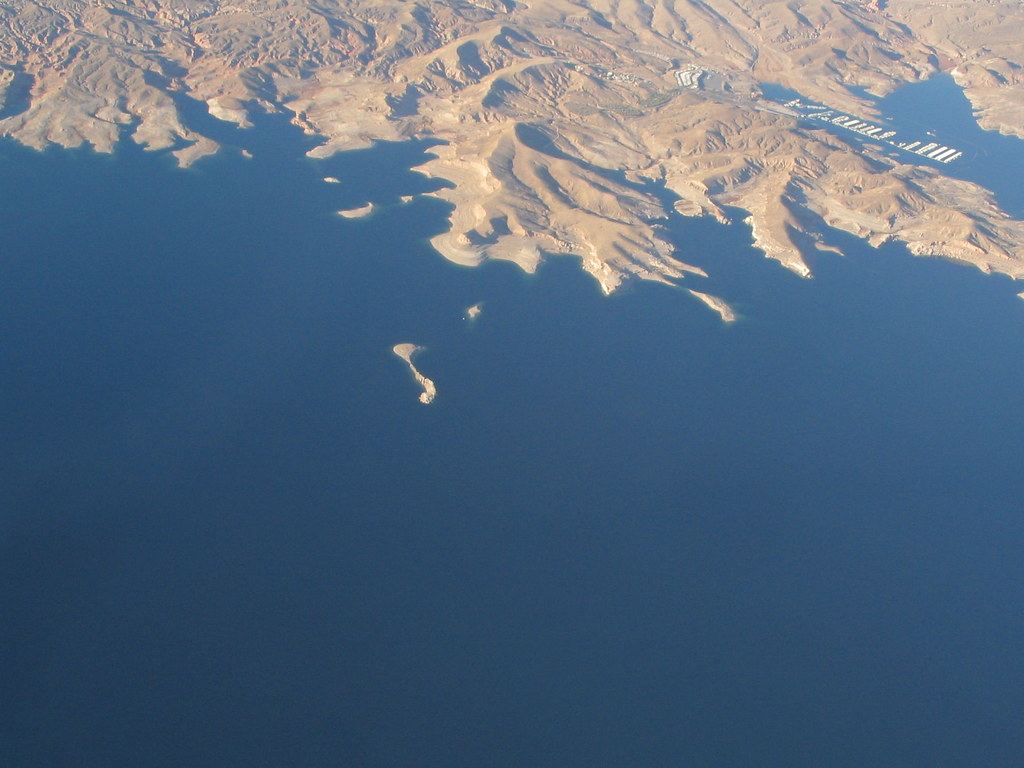
The Review-Journal described the program as a first-of-its-kind effort to rein in local use of the Colorado River. Nevada has the smallest claim to the river of the seven states that share it. In a federal lawsuit against the Trump administration, state officials say Southern Nevada faces an existential threat if the federal government cuts its share by 71 percent, a possibility floated in the river's official 10-year operating plan. For background, see our explainer on Nevada's Colorado River cut.
How much money is at stake
A July legal filing from the homeowners' attorneys alleges the district has collected at least $96 million from homeowners since 2023. The district has said it spends that money only on more conservation work.
The water district's argument
In its motion to dismiss, the district argues the charges are reasonable and that the case runs counter to Southern Nevada's mission of innovative conservation. The motion says the plaintiffs "seek to use this court to subsidize their heavy water consumption."
Water district attorney Chad Fears said that if the case continues, part of the utility's argument will be that the named plaintiffs are recklessly wasting water. He said one household has large lots with a private lazy river, several pools and waterfalls. "You just have to pay for that water," Fears said, according to the Review-Journal.
Fears acknowledged that no formal appeals process exists for the fees. He argued that homeowners' recourse is to vote out the district's governing board, which is made up of the Clark County Commission.
The homeowners' argument
Sam Castor, the attorney representing the homeowners, said that answer is unsatisfactory and that individuals should have a direct way to challenge the fines. He pointed out that water district staff who craft policy, including General Manager John Entsminger, are appointed rather than elected.
Castor said several affected homeowners have made their case to the commission and received no relief, something he intends to show in discovery. "There is no due process," he said, adding that customers either pay the charge or have their water turned off. More local water coverage is collected in our water section.
What to watch next
- Judge Thunell's ruling on the motion to dismiss, which he said will come before the Dec. 7 court date.
- Whether the case is allowed to proceed as a class action that could include tens of thousands of homeowners.
- If the case continues, Castor's plan to use discovery to show that homeowners sought relief from the Clark County Commission.