Public Safety · Nevada
Nevada fuel committee urges doubling storage and adding rail delivery as the state relies on just three pipelines for supply
A committee convened by Gov. Joe Lombardo says Nevada keeps about a week of fuel on hand and depends on three pipelines. It recommends more storage, pipeline projects and rail delivery, The Nevada Independent reported.
Listen to this brief · 5 min
Read aloud by an AI voice from the text below. Download MP3
What the committee found
A state Fuel Resiliency Committee says Nevada needs bigger fuel reserves and less dependence on California, according to The Nevada Independent. Gov. Joe Lombardo formed the group of industry experts, state officials and lawmakers last year to look for solutions. Its report was finalized just days before the election in which Lombardo lost to Democratic Attorney General Aaron Ford, now the governor-elect.
The Office of Emergency Management/Homeland Security warned that fuel supports everything from trucking to emergency response, so "a fuel disruption can quickly become a public safety issue, not just an inconvenience at the pump." More public safety coverage is available on our site.
Why Nevada's supply is fragile
Three pipelines and about a week of storage
The Nevada Independent reported that 92 percent of Nevada drivers still use gas-powered vehicles, which burned 1.2 billion gallons of gasoline last year. With jet fuel and diesel included, the state used 2.5 billion gallons. All of it arrived through three pipelines, two from California and one from Utah.
If a line goes down or a refinery feeding it closes, Nevada has no other way to get fuel, the outlet reported. The state holds about one week's worth of fuel in storage at any given time. Its storage capacity matches the pipelines' highest weekly delivery volume, which is six to eight days' worth.
Northern Nevada is most at risk
The committee identified Northern Nevada as the most vulnerable region. Only one pipeline reaches it, and that line was shut down in 2019 because of California wildfires. It is supplied by Northern California's last two operating refineries.
Southern Nevada's two lines
Southern Nevada gets fuel through the CalNev pipeline from Los Angeles and a second line from Salt Lake City. The Los Angeles line also serves Nellis and Edwards Air Force bases and Harry Reid International Airport. Lombardo declared a state of emergency in 2023 when it was temporarily shut down, and it has also been shut off temporarily because of wildfires.
An air quality issue for Las Vegas
The Las Vegas Valley is struggling to meet federal ozone standards, partly because of vehicle emissions, The Nevada Independent reported. Its classification has moved from marginal to moderate in 2023 and to serious in 2025. If the valley does not reach attainment by next summer, it will be reclassified as severe, which would bar conventional gas.
Reformulated gas, which burns cleaner but costs more, would then be required starting the following summer. It is required throughout California but not in Utah, which could affect Southern Nevada's ability to get fuel from the Utah line.
What the committee recommends
Storage first
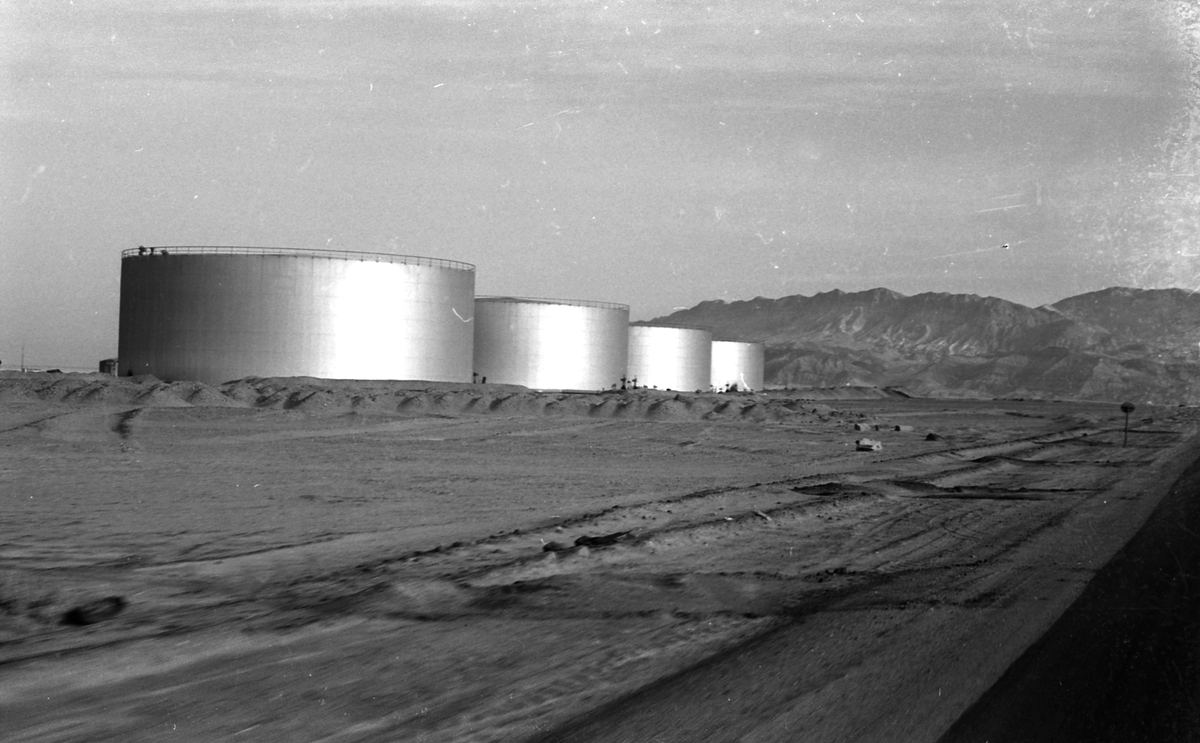
The report calls fuel inventory Nevada's "binding constraint" and recommends doubling storage. The committee rated added storage as the single highest-value investment, ahead of expanded pipeline capacity. It pointed to a facility in west-central Utah that can store up to 840 million gallons for years and sits four miles from the Utah-to-Las Vegas pipeline, though no connector exists yet.
Pipelines and rail
The committee also backed the proposed Western Gateway Project, a 1,300-mile pipeline from Texas to Arizona and California with a possible offshoot to Las Vegas, and a proposed expansion of the Utah line. Those would not help Northern Nevada. It also urged better rail delivery, which it ranked second in efficiency after pipelines, while trucking would take hundreds of tanker trips per day.
Committee member Paul Enos, CEO of the Nevada Trucking Association, told The Nevada Independent, "Diesel fuel is the oxygen in the blood of the economy."
What to watch next
- The state attorney general's office has been asked whether Nevada can own strategic fuel reserves, including reserves stored in another state.
- A spokesperson for Gov.-elect Aaron Ford did not answer whether his administration will support the committee's findings.
- Whether the Las Vegas Valley reaches ozone attainment by next summer or is reclassified as severe, which would require reformulated gas.
- The proposed Western Gateway Project and a proposed expansion of the Utah-to-Las Vegas pipeline.