Public Safety · Nevada
Families and advocates urge Nevada lawmakers to block a state prison plan to scan inmates' physical mail
Nevada's prison board approved a rule to digitize inmates' mail to curb drugs. Advocates say the supporting study falls short of a 2023 law, and the Legislative Commission takes up final approval in December.
Listen to this brief · 5 min
Read aloud by an AI voice from the text below. Download MP3
What happened
Prison advocacy groups and the families of incarcerated people are asking Nevada lawmakers to stop a proposed rule that would end delivery of physical mail inside state prisons, Nevada Current reported. The Nevada Department of Corrections wants to scan incoming mail and give it to people electronically instead.
The Board of Prison Commissioners unanimously approved the regulation in October. It still needs final approval from the Legislative Commission, which is slated to meet in December, according to the Current. More public safety coverage is available on our site.
Why the prison system wants the change
The department proposed the limits in response to a rise in drugs entering prisons and an increase in overdoses among people who are incarcerated. Prison director James Dzurenda acknowledged in October that scanning mail will likely not eliminate contraband. He said it "will lessen the risk and allow for a greater focus on other avenues of contraband introduction."
The High Desert study
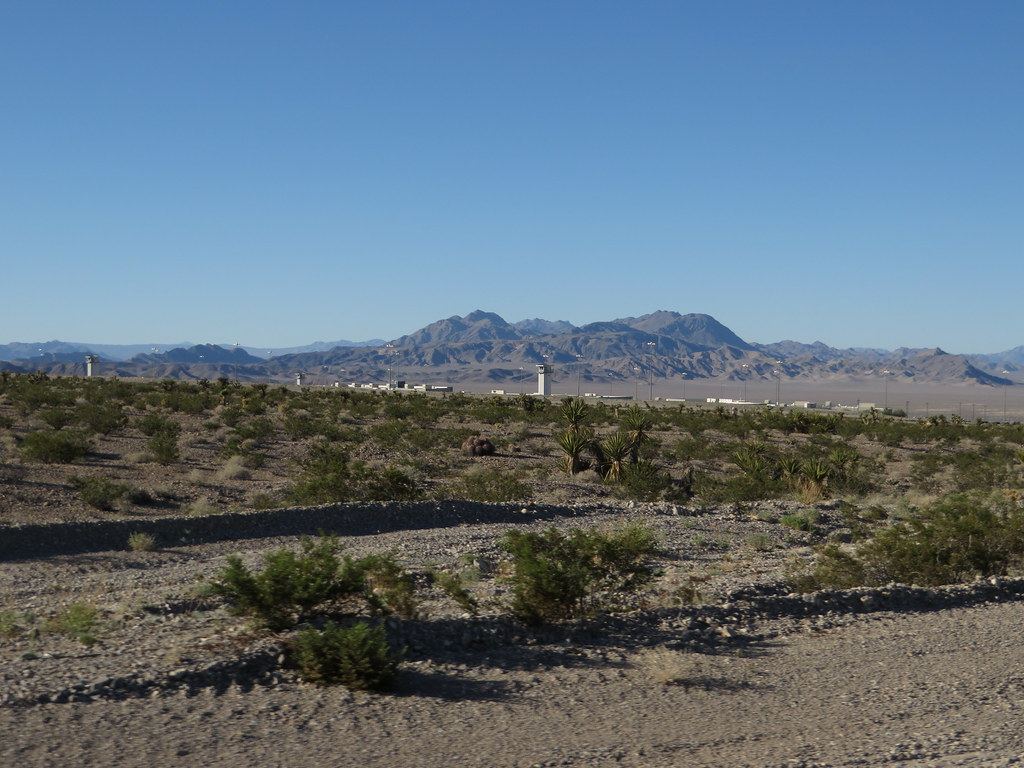
Dzurenda told the board the department used opioid settlement funds to place a drug detection device at High Desert State Prison to check mail for abnormalities. He said 233 pieces were positively identified as containing contraband substances. A 2023 state law, Assembly Bill 121, requires that incarcerated people receive physical and original copies of their mail and that corrections officials submit a study and supporting data before adopting any rule restricting mail access.
What would change for families
If the rule gets final approval, Dzurenda said the department would pilot the new system at High Desert State Prison first, with 60 days' notice to inmates and families about where to send mail. Picture drawings would also be scanned and uploaded to tablets, which Dzurenda said is needed because synthetic drugs are being added to ink and soaked into paper. Photographs would still be allowed but would first go through a photo printing company that has not yet been chosen.
What advocates are arguing
Return Strong and the Nevada Fines and Fees Justice Center questioned the evidence presented to the board and wrote an analysis of the study, which they shared with the Current. Jodi Hocking, founder of Return Strong, said the Legislature set a bar for the department and it has not met it.
Questions about the study
The analysis says the department inspected 20% of mail at only High Desert State Prison, with no explanation of how pieces were selected, instead of random samples across facilities and security levels. It says statewide numbers came from simple multiplication and that the one-year study ended after nine months, before the holiday mail season. The groups also say the study does not account for other factors, such as drugs arriving by other routes or changes in drug potency.
Voices from public comment
Family members and formerly incarcerated people pleaded with the board during emotional public comment in October. Nathaniel Williams, who said he was incarcerated in Nevada four times, told the board, "I didn't do heroin until I was in the Nevada Department of Corrections." He said the only mail he received was letters from his grandmother and son.
How the board voted
The board includes Republican Gov. Joe Lombardo, Attorney General and Governor-elect Aaron Ford, and Secretary of State Cisco Aguilar, according to the Current. Ford said before his vote that the study was adequate: "I do think that the study that has been utilized is sufficient for purposes of satisfying the statutory requirement as well."
The department first tried to restrict mail in 2022, but then Gov. Steve Sisolak blocked the move. This year, the department held its first public workshop on the rule in April before releasing the study findings in May, and the item was pulled from a summer board agenda before returning in October.
What to watch next
- The Legislative Commission is slated to meet in December to consider final approval of the mail regulation.
- Return Strong and the Nevada Fines and Fees Justice Center expect to release their full analysis publicly before that meeting.
- If approved, the department plans a pilot at High Desert State Prison after a 60-day notice to inmates and families.
- The contract with a photo printing company for mailed photographs has not yet been finalized.