Development · Nevada
Nevada committee says the state needs more fuel storage and less reliance on California pipelines
A fuel resilience committee formed by Gov. Joe Lombardo wants Nevada to double its storage, back pipeline projects and add rail capacity. It is unclear whether Governor-elect Aaron Ford will act on the plan.
Listen to this brief · 5 min
Read aloud by an AI voice from the text below. Download MP3
What happened
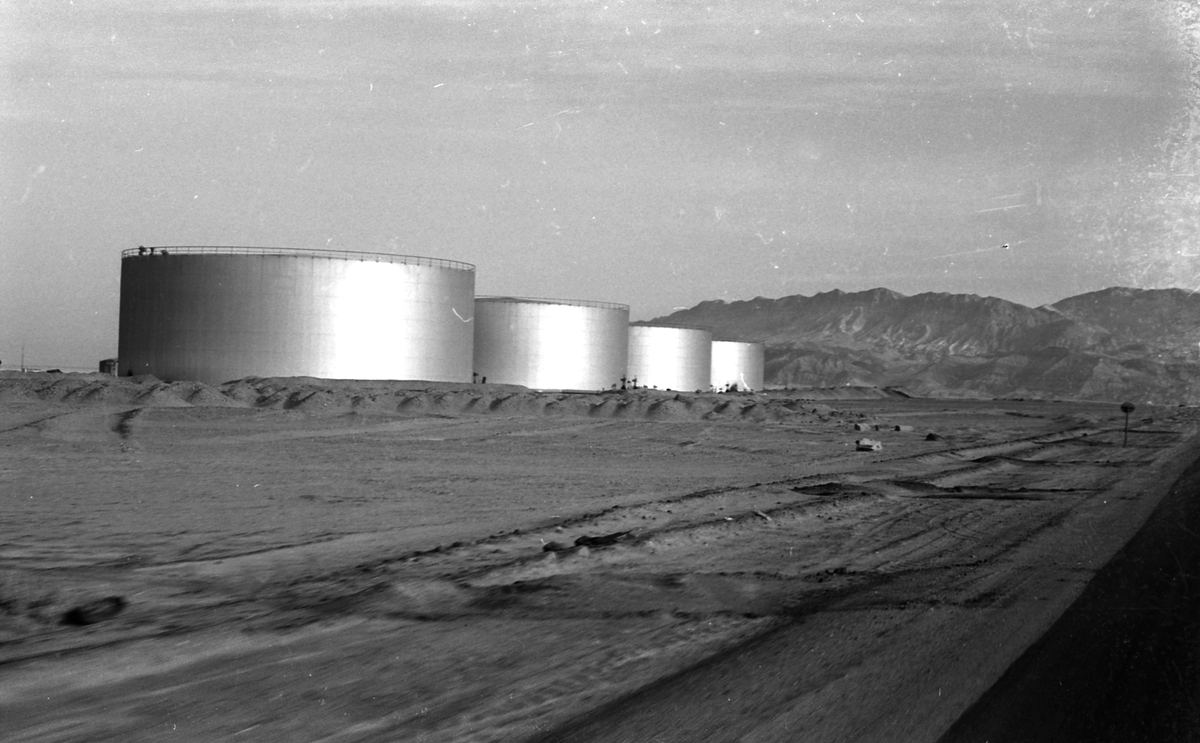
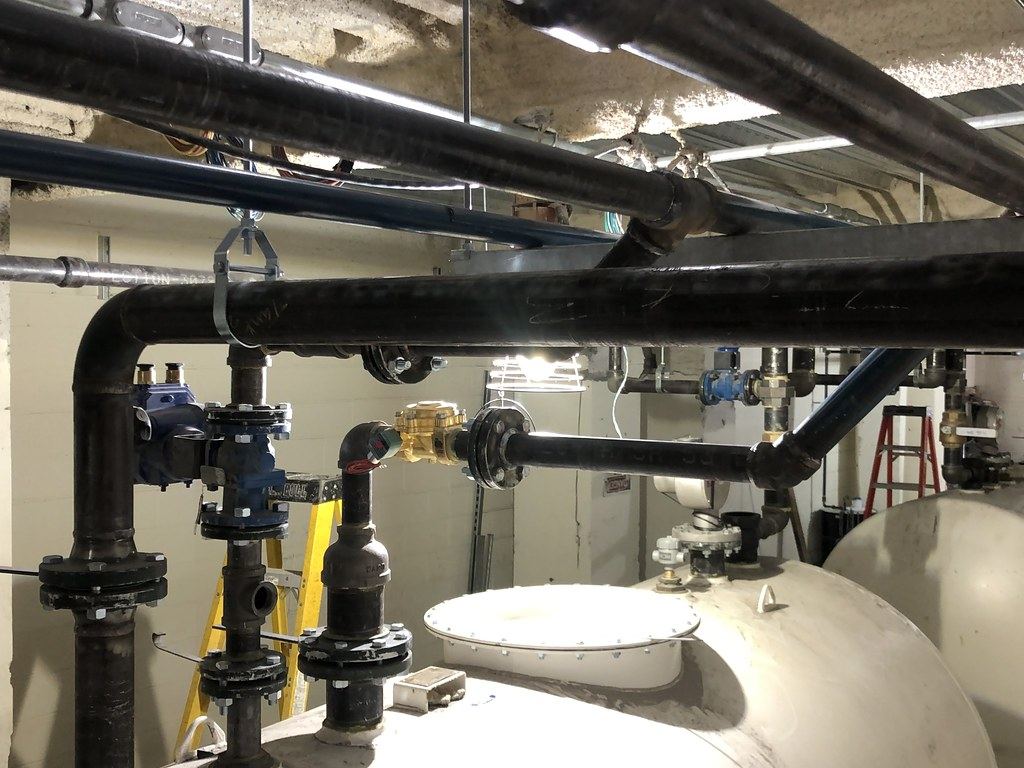
A state committee that Gov. Joe Lombardo convened last year has concluded that Nevada needs larger fuel reserves and less dependence on California, The Nevada Independent reported in a Spanish-language version of its reporting. The Fuel Resilience Committee, made up of industry experts, state officials and lawmakers, recommended doubling the state's fuel storage capacity, supporting pipeline projects and building infrastructure to receive fuel by rail.
The report was finished just days before the election in which Lombardo, a Republican, lost to Democratic Attorney General Aaron Ford, now the governor-elect. A Ford spokesperson did not answer the outlet's emails asking whether the incoming administration would support the committee's findings.
Why Nevada's fuel supply is vulnerable
Three pipelines, one week of reserves
According to The Nevada Independent, all of the fuel the state used last year arrived through just three pipelines: two from California and one from Utah. If one of those lines stops working, or if a refinery that feeds them closes, Nevada has no alternative source. The state holds reserves equal to only one week of consumption.
Electric vehicle purchases are rising in Nevada, but 92 percent of local drivers still rely on gasoline-powered vehicles, the outlet reported.
Northern Nevada is most exposed
The committee identified northern Nevada as the part of the state at greatest risk, because only one of the three pipelines reaches it. That line stopped operating in 2019 because of wildfires in California. The refineries that supply it, like many others in California, have been closing over recent decades.
Building an oil refinery in Nevada is not a near-term option, the outlet reported. It would take years of permits and approvals. And because the state has almost no oil reserves of its own, crude would still have to arrive through existing pipelines or a new one.
What it means for Southern Nevada
CalNev and the Salt Lake City line
In Southern Nevada, fuel arrives through the CalNev pipeline, which links Los Angeles to Las Vegas, and through a second line running from Salt Lake City to Las Vegas. In 2023, Lombardo declared a state of emergency when the Los Angeles line was temporarily shut down. That line also serves Nellis and Edwards air force bases and Harry Reid International Airport. The outlet reported that it was shut down temporarily again because of wildfires.
Ozone rules could change the gasoline sold here
The Las Vegas Valley also faces air quality pressure, partly from vehicle emissions. The EPA tightened its ozone standards in 2015, and the valley did not meet that standard under the Clean Air Act, according to The Nevada Independent. If the valley does not meet federal standards by next summer, it would be reclassified as "severe," which would bar the use of conventional gasoline.
Reformulated gasoline would then be required starting the following summer. That fuel produces fewer emissions when burned. It costs more because only specialized refineries make it.
The committee's recommendations
A possible Utah storage connection
Gasoline can degrade if it is stored too long. However, the outlet reported that a specialized facility in west-central Utah can keep gasoline for years without loss of quality. That site is four miles from the pipeline connecting Utah to Las Vegas, and linking the two could give Nevada more fuel access without new storage tanks or a full new pipeline.
Lombardo's office asked the state attorney general's office to assess how far Nevada's authority extends to keep strategic fuel reserves, including whether those reserves could be stored in another state.
Rail over trucks
The committee also called for building up the state's ability to receive fuel by rail. Trucking fuel in would be the least efficient option, requiring hundreds of tanker trips per day to meet Nevada's needs, according to the report. Our earlier coverage of the committee's findings has more background.
Paul Enos, executive director of the Nevada Trucking Association and a committee member, told The Nevada Independent that progress on the issue would be a win for Nevada no matter who is in power. He described diesel as vital to the economy and said that without it, food and medical supplies do not get delivered.
What to watch next
- Whether Governor-elect Aaron Ford's administration will back the committee's recommendations, a question his spokesperson had not answered.
- The attorney general's office review of Nevada's authority to keep strategic fuel reserves, including storage in another state.
- Whether the Las Vegas Valley meets federal ozone standards by next summer or is reclassified as "severe," which would require reformulated gasoline.