Community · Valley-wide
Only 17 street vendors are licensed across the Las Vegas Valley as vendors cite costly rules and immigration fears
Three years after Nevada legalized street vending, The Nevada Independent reports that few Southern Nevada vendors hold licenses, citing distance limits, startup costs and worry about immigration enforcement.
Listen to this brief · 6 min
Read aloud by an AI voice from the text below. Download MP3

What happened
Street vending became legal in Nevada in 2023, but very few vendors in Southern Nevada have made it through the licensing process, The Nevada Independent reported. As of 2026, only 17 street vendors hold licenses across the entire Las Vegas Valley, and just seven of them have an additional license allowing them to work in more than one jurisdiction.
Clark County told the outlet it has approved only four licenses this year, with three more applications pending. Vendors and advocates told The Nevada Independent that strict location rules, high startup costs and the federal immigration crackdown are keeping many people out of the system.
Where vendors can and cannot sell
According to The Nevada Independent, the limits on where licensed vendors can set up are one of their biggest obstacles, and the problem is especially sharp in Clark County. Vendors who break those limits can face a $500 fine or up to six months in jail.
County and state distance rules
- A 2024 Clark County ordinance bars vendors from operating within 500 feet of any county park without a special permit.
- Another county rule keeps them at least 150 feet from licensed traditional restaurants or other vendors.
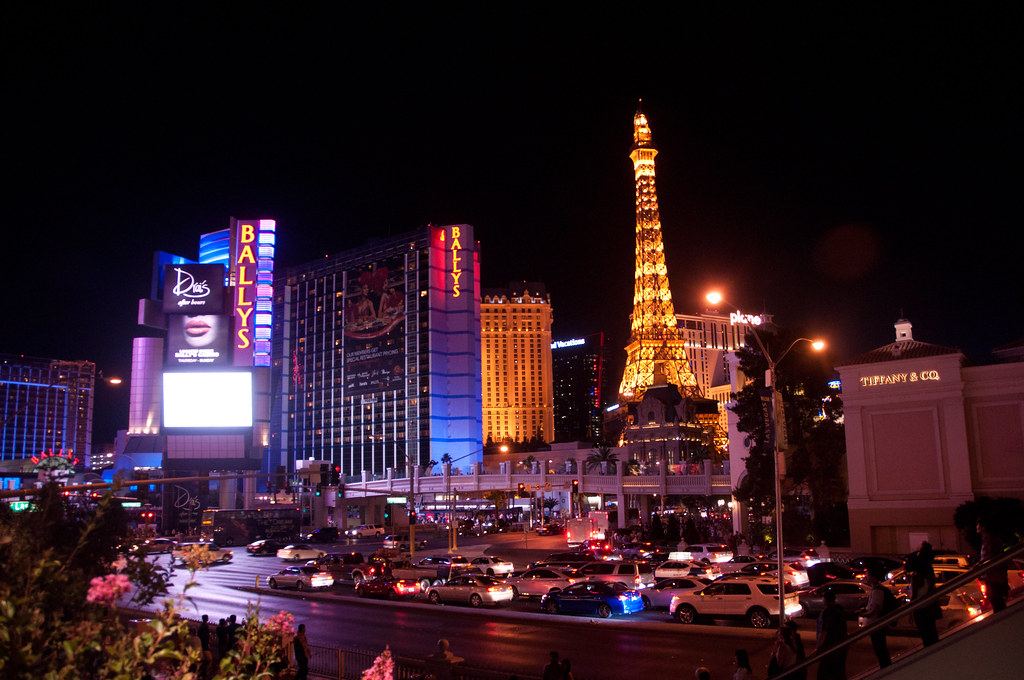
- State law prohibits vendors within 1,500 feet of resort hotels or major arenas, which the outlet said essentially bans them from the Las Vegas Strip.
One East Las Vegas vendor's experience
Julieta González Moreno, who runs the food cart Antojitos Mexicanos in East Las Vegas, got her county street vending license more than a year ago but told the outlet she still has frequent trouble with law enforcement. She said authorities often tell her she needs another permit to work near a park or businesses. "It is a little difficult because sometimes we're there selling and the police arrive and move us around," Moreno told The Nevada Independent.
Moreno said the restrictions shut vendors out of the areas where they have the best chance of making sales, and that she has sometimes risked selling in those areas anyway. She also said a friend was recently locked up after police found she lacked a license for a designated area.
The cost of getting licensed
Fees and equipment
Moreno called the process arduous. The Nevada Independent reported that the initial Southern Nevada Health District permit costs around $1,000, plus hundreds of dollars for insurance and other fees. Vendors also need a state business license of around $200 per year and a county business license that runs around $195 initially. A cart that meets health district standards, with running water and restaurant-grade equipment, can cost upward of $10,000.
How long it takes
Clark County and the health district told the outlet that approval takes about two weeks, but Moreno said her process took about five months, largely because of gathering all the requirements. The health district said it offers payment plans for initial licensing costs and provides Spanish language assistance.
Immigration enforcement and a northern comparison
Several vendors told The Nevada Independent that the Trump administration's immigration crackdown has made them more hesitant to deal with local governments. Some said they cannot start the process because a Nevada business license requires a Social Security number or taxpayer identification number. Elizabeth Velazquez, an organizer with the advocacy nonprofit Make the Road Nevada, said one Las Vegas vendor was recently detained by U.S. Immigration and Customs Enforcement while selling food with her daughter.
Northern Nevada looks different. Northern Nevada Public Health, which serves Reno, Sparks and Washoe County, says 130 people hold permits under its Mobile and Portable Food Program. "It's more accessible than Clark County," Velazquez said. The health agency said it awarded Make the Road Nevada nearly $100,000 for hands-on support, and Velazquez said that work helped about five Washoe County vendors get licensed. More local stories are in our community section.
What to watch next
- Clark County has three street vending license applications pending, according to the county.
- Make the Road Nevada plans to work on street vending during the 2027 legislative session, Velazquez said.
- The group's vendor assistance program has largely been halted by federal grant cuts and a lack of funding, she said.