AI & Tech · National
Anthropic's record IPO raises questions about whether its AI safety mission can hold up under shareholder pressure
Anthropic raised a record $81.3 billion in its Nasdaq debut, NPR reported. Legal experts say investor pressure and a governance setup that can be changed could test the company's promise to put safety first.
Listen to this brief · 5 min
Read aloud by an AI voice from the text below. Download MP3
What happened
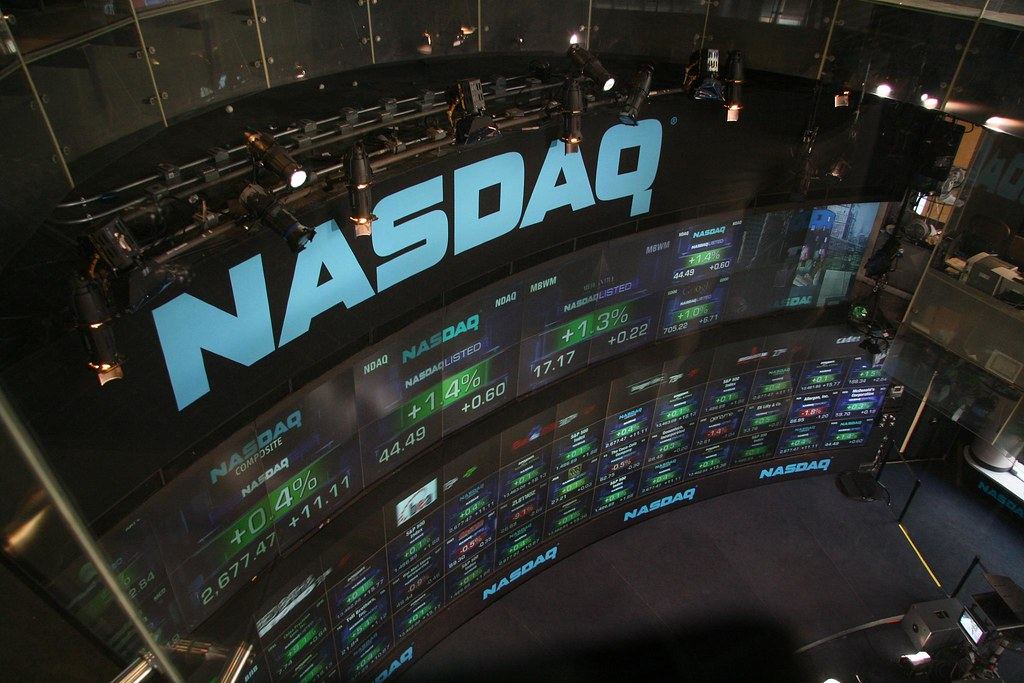
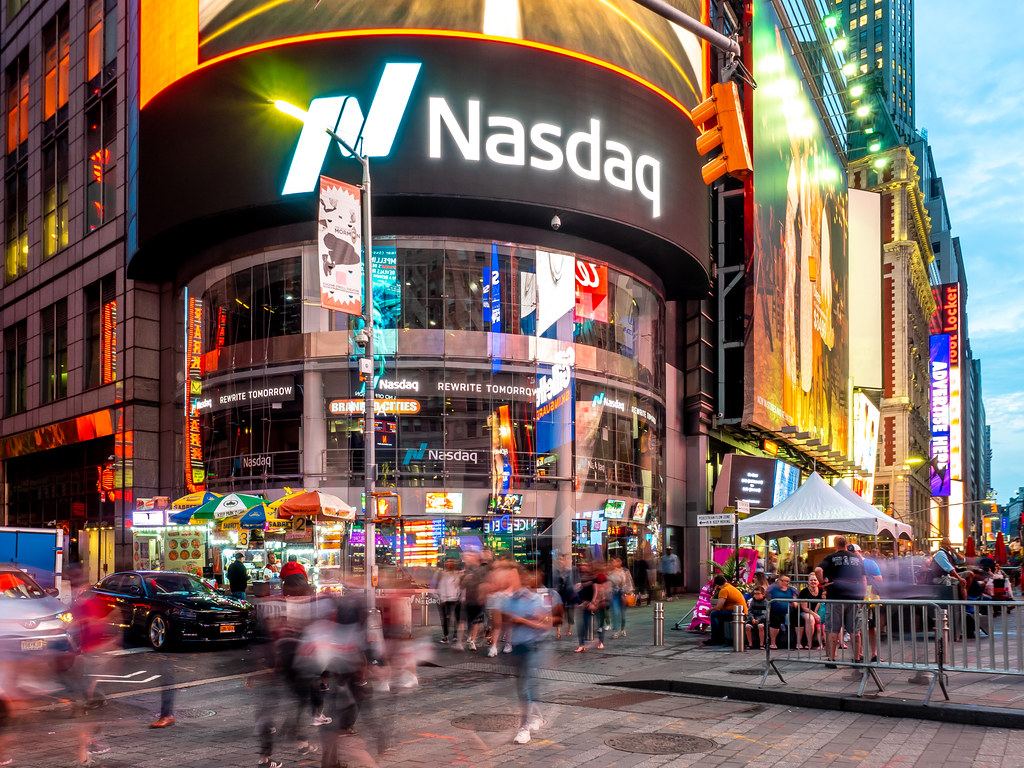
Anthropic began trading on the Nasdaq on Thursday, Nov. 19, after an initial public offering that NPR reported raised a record $81.3 billion. The company raised another $26 billion through a separate private placement, according to NPR, which put it among publicly traded companies worth more than $1 trillion.
At the opening bell, CEO Dario Amodei said the company would pace the training and release of its AI systems for as long as needed to be confident they are safe. "We will not bend to either business nor political pressure," he said, as NPR reported. Our earlier brief covers Amodei's pledge at the Nasdaq debut.
NPR's reporting focuses on a separate question. It asks whether a company that built its reputation on AI safety can keep that focus now that it answers to public shareholders.
Why the IPO is seen as a test
Legal experts told NPR that the demands of being a public company could weigh on safety choices that might hurt the share price, such as holding back a potentially risky model. Some critics question whether the company can stay true to its founding mission with new investors and more scrutiny.
Warnings in the prospectus
Anthropic's own IPO filing warned that advanced AI systems "could pose catastrophic or existential risks to society if not developed and deployed responsibly," NPR reported. The company also told investors there is no assurance that its safeguards will prove adequate or that its restrictions will not be circumvented.
Employee wealth
According to NPR, each of the seven co-founders holds a stake currently worth more than $20 billion, and the company's 5,300 employees hold an estimated $232 billion in combined equity. Non-founder employees could sell up to 10% of their holdings on the first trading day. Harvard Law School assistant professor Roberto Tallarita told NPR those stakes could shape how staff approach risk, and Cornell University professor Sarah Kreps said the money could change the company's internal culture.
How Anthropic's governance works
Anthropic is a public benefit corporation, which means its board must balance shareholder interests with its social mission. An oversight body called the Long-Term Benefit Trust can appoint four of the company's seven directors, while the founders effectively control the other three, NPR reported.
The trust can be dissolved
Ending the trust would require approval from all seven co-founders plus a majority vote of shareholders with voting rights. Legal experts told NPR that this could give founders and shareholders a route to override the trust. Tallarita said that in a fight over a safety decision, founders and employees could potentially "ally against the trustee and neutralize their control rights."
Past safety calls and defense work
In April, Anthropic restricted access to its Claude Mythos model after internal testing showed it could find and exploit previously unknown flaws in major operating systems and web browsers, NPR reported. On June 9, the company released Fable 5, a Mythos-class model, for general use with added safeguards. Kreps also questioned the company's November 2024 partnership with defense contractor Palantir, asking, "What part of that is AI for humanity?"
NPR reported that Anthropic resisted letting the Pentagon use its technology for autonomous weapons and mass domestic surveillance. After negotiations broke down in February, the U.S. government designated Anthropic a "supply chain risk to national security."
Faster progress, few federal rules
A November 2026 assessment by the AI research nonprofit METR found Anthropic's AI capabilities improving at about twice the previous rate, according to NPR. Researchers estimate that most of that acceleration comes from Anthropic using AI tools to help its own researchers, and METR found no clear bottlenecks such as limits on data or computing power.
Experts told NPR that society is relying heavily on company executives to judge the risks of their own products. The White House AI framework announced in June lets developers submit new models for federal cybersecurity and national security reviews before release, but it is entirely voluntary. "I don't think the government knows enough to regulate AI," Tallarita said. More coverage is in our AI and tech section.
What to watch next
- OpenAI filed preliminary IPO paperwork with the SEC in June, but CEO Sam Altman said in September the company has delayed those plans, NPR reported.
- Anthropic's dispute with the federal government over its "supply chain risk to national security" designation, which NPR has reported the company is challenging in a lawsuit against the Trump administration.
- The original Claude Mythos model remains restricted to selected partners, according to NPR.
- The White House AI framework for pre-release model reviews remains voluntary for developers.