Nation · National
Supreme Court opens its new term with a climate case, with fights over guns, immigration and voting rules ahead
The justices began their term Oct. 5 with an energy industry appeal over Boulder's climate lawsuit. Cases on AR-15 bans, third-country deportations and Arizona's voter rules are set for later this year.
Listen to this brief · 6 min
Read aloud by an AI voice from the text below. Download MP3
What happened
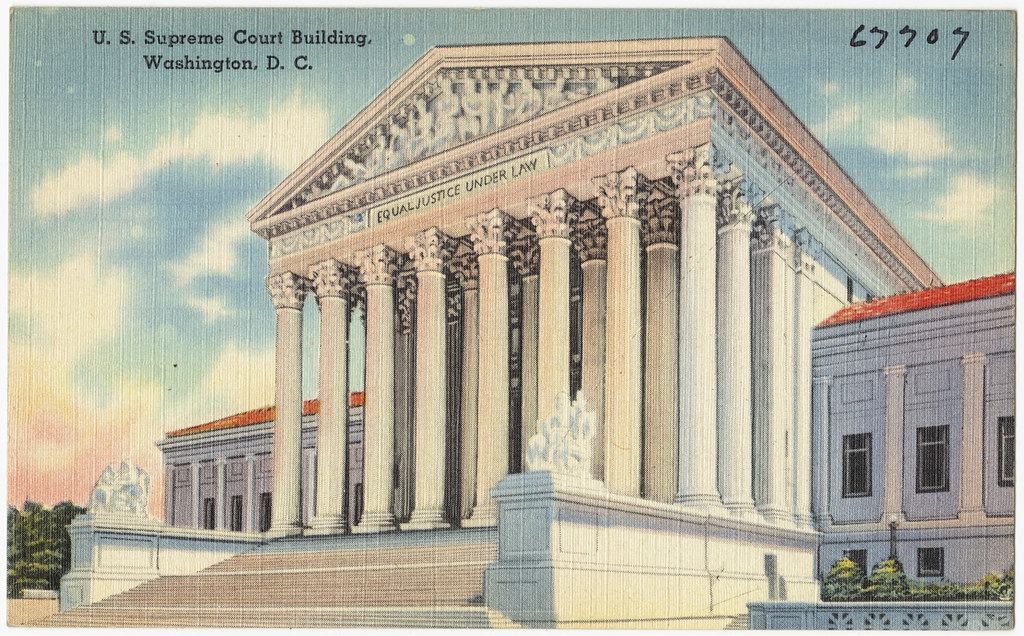
The U.S. Supreme Court opened its new term on Monday, Oct. 5, with a climate change case at the top of the docket, according to the Associated Press, as published by ABC News. CBS News reported that cases on President Donald Trump's immigration policies and the Second Amendment are among the most high-profile disputes coming in the months ahead.
CBS News also reported that several legal fights over Trump's second-term agenda are waiting in the wings. The justices will discuss those in closed-door conferences, and any they agree to hear would be decided by the summer of 2027.
First day: Boulder's climate lawsuit
What the court is deciding
The opening case pits the city and county of Boulder, Colorado, against Suncor Energy and Exxon Mobil. CBS News described the question as technical: whether federal law stops Boulder from suing energy companies in state court over claims that the sale and allegedly deceptive marketing of fossil fuels violated state law. The court will also decide whether it has jurisdiction to review the Colorado Supreme Court ruling that let the suit proceed.
The AP reported that billions of dollars could be at stake. CBS noted the outcome could affect dozens of similar lawsuits by states and localities, and a ruling for the companies would block Boulder's suit, which is in its early stages and seeks money damages.
Arguments on each side
The companies say lawsuits are not the way to deal with a global issue, and the AP reported they have the backing of the Trump administration, which calls the litigation a power grab. Lawyers for Exxon and Suncor warned that successful suits would effectively impose a carbon tax and "bankrupt" the industry, CBS reported.
Boulder County's lawyers argued that the Constitution allows states to address harms within their own borders. "This litigation is not an attempt to solve climate change," they wrote, according to CBS. Justice Samuel Alito will not take part in the case, CBS reported, citing a letter to the parties that gave no reason.
Religion, guns and parental rights
Colorado's universal preschool program
On Nov. 3, the court will hear from Catholic preschools left out of Colorado's universal preschool program, which CBS said provides up to 15 hours of free preschool a week. The Archdiocese of Denver sought an exemption from the program's nondiscrimination rule so it could admit only families who follow church teachings, including on gender identity and sexual orientation. Colorado says religious schools are welcome but must follow nondiscrimination laws, the AP reported, and lower courts sided with the state.
Bans on AR-15-style rifles
On Dec. 2, the justices will hear two cases over a Connecticut law and a Cook County, Illinois, ordinance banning AR-15s and similar semiautomatic weapons, CBS reported. States with bans say the guns are disproportionately used in mass shootings, while challengers argue they are among the most commonly owned guns in the country, according to the AP. Lower courts upheld both bans.
Washington youth shelter laws
On Dec. 7, the court will consider whether parents have standing to challenge Washington state laws that expanded exceptions to when youth shelters must notify parents of runaway teens, including those seeking care for gender dysphoria. A federal district court and the 9th Circuit found the parents lacked standing, CBS reported.
Immigration and voting cases
Third-country deportations
Arguments set for Dec. 9 concern the administration's policy of deporting migrants to countries they do not come from. A federal judge in Boston ruled the policy unlawful in February, and an appeals court largely upheld that decision last month, CBS reported. The Supreme Court is letting the removals continue while it decides the case.
Detention without bond hearings
The court will also review the policy of holding immigrants who entered the country illegally without bond hearings, even if they have lived in the U.S. for years. CBS reported that two federal appeals courts have allowed mandatory detention without bond, while nine others have ruled against the administration.
Arizona voter registration rules
The justices will weigh Arizona voting rules that require proof of citizenship when registering with a state form and call for regular voter roll purges, with arguments set for December, the AP reported. CBS reported that the 9th Circuit upheld a lower court ruling that limited how the rules could be enforced.
What to watch next
- Arguments in the Colorado Catholic preschool case on Nov. 3.
- Arguments on the Connecticut and Cook County AR-15 bans on Dec. 2, and on Arizona's voting rules in December.
- Arguments on third-country deportations on Dec. 9.
- Closed-door conferences on challenges to Trump's second-term agenda, with any cases taken up decided by the summer of 2027.