Nation · National
Supreme Court lifts order that halted Trump border wall construction in the Big Bend region of West Texas
In an 8-1 unsigned order, the Supreme Court let the Trump administration restart border wall and road work in West Texas' Big Bend sector while a lawsuit by environmental and other groups continues.
Listen to this brief · 5 min
Read aloud by an AI voice from the text below. Download MP3
What happened
The Supreme Court on Monday lifted a lower court order that had stopped the Trump administration from building a border wall, roads and related infrastructure in the Big Bend sector of West Texas, CBS News reported. The order lets construction resume while the legal challenge to the project continues.
The decision was unsigned and five pages long, according to CBS News. ABC News reported the vote was 8-1, and CBS News reported that Justice Ketanji Brown Jackson said she would have denied the Justice Department's request for emergency relief. More national coverage is collected on our Nation page.
What the court said
The majority's reasoning
According to CBS News, the court wrote that the lower court's order delayed construction and "impedes the Government from advancing its 'compelling interests' in border security and integrity." The court said Congress, by allowing the Homeland Security secretary to waive environmental and conservation laws, showed a clear preference for fast border construction over the harms the challengers described.
ABC News reported the court found the government "is exceedingly likely to prevail" in arguing that the district court lacked jurisdiction to pause the work. ABC also reported the court appeared swayed in part by the administration's claim that the halt was costing nearly half-a-million dollars a day.
How the case got here
The waivers
Beginning in February, Homeland Security secretaries Kristi Noem and then Markwayne Mullin issued a total of three waivers for project areas in the Big Bend region, CBS News reported. The department relied on a 1996 immigration law that lets the secretary waive legal requirements, such as environmental and historic preservation reviews, to speed construction of barriers and roads near the southern border.
An environmental nonprofit, a professional riverboat guide and a religious organization then sued. The Center for Biological Diversity is one of the plaintiffs, according to CBS News.
The district court injunction
Last month, U.S. District Judge Kathleen Cardone granted a preliminary injunction barring barriers, related infrastructure and any ground-disturbing work in the sector, CBS News reported. She found the Homeland Security secretary exceeded his authority in issuing the waivers. The administration then asked the Supreme Court to step in.
What is planned for Big Bend
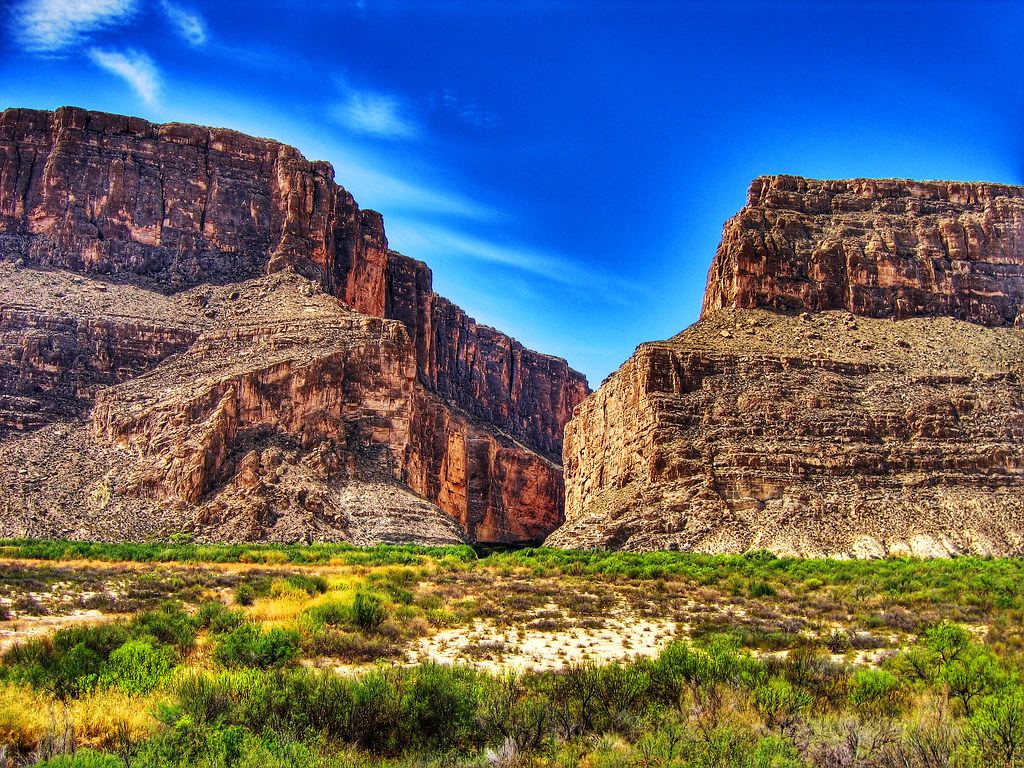
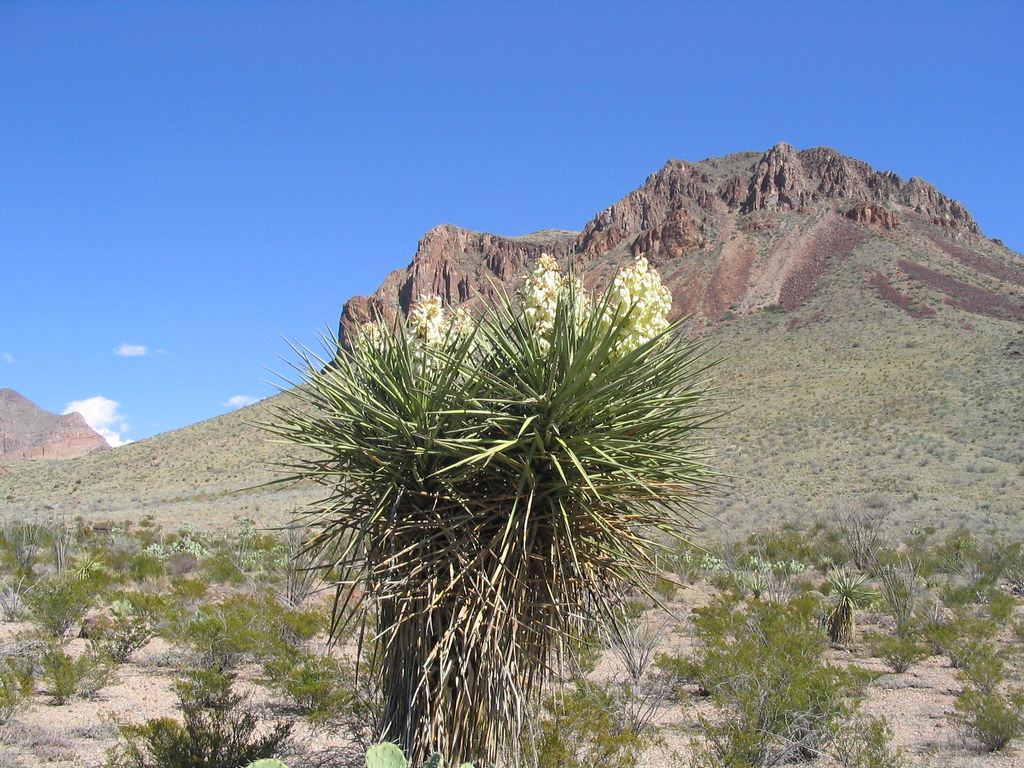
CBS News reported the Big Bend sector covers more than 500 miles of the southern border and includes Big Bend National Park. Plaintiffs said the project would affect the national park, Big Bend Ranch State Park and nearly 200 miles of the Rio Grande Wild and Scenic River corridor. Construction of a 47-mile stretch of wall in Hudspeth County, part of the region, began in September, according to immigration agencies cited by CBS.
Inside the national park
After photos in August showed bulldozers arriving at the park, Customs and Border Protection Commissioner Rodney Scott paused construction inside the park until the end of September, CBS News reported. Scott has said the 30-foot wall will not cut through the park, but CBP says more than 200 miles of patrol roads and roughly 17 miles of a vehicle-barrier system would. ABC News reported the park plans were changed after public outcry to include vehicle barriers, roads and surveillance technology.
Effects on residents
ABC News spoke in May with Charlie Angell, a landowner in Redford, Texas, who runs an outdoor expedition company on the Rio Grande. He said CBP wrote seeking access to his land, and a map of the plans shows his property split and cut off from the river. "It's devastating for me," he told ABC News.
The dispute over border crossings
The government argued that officers apprehended more than 89,000 people trying to cross illegally in the area between 2021 and 2025, CBS News reported. Plaintiffs said Big Bend ranks last among southern border sectors for apprehensions, with annual totals between 0.3% and 2.2% of border-wide apprehensions, according to court filings. ABC News reported that CBP statistics show only about 1% of migrant encounters happen in the sector.
Reaction
Laiken Jordahl of the Center for Biological Diversity said the administration and its contractors are "hellbent on destroying one of America's greatest national parks, and the Supreme Court just gave them the green light," according to CBS News and ABC News. CBS reported the project had already drawn pushback from Republican and Democratic lawmakers, cattle ranchers and local law enforcement in Texas.
What to watch next
- The lawsuit challenging the Big Bend project continues in the lower courts, and the courts have not yet ruled on whether the construction is legal.
- Whether the government prevails on its argument that the district court lacked jurisdiction to halt the work, which ABC News reported the Supreme Court found exceedingly likely.
- How construction proceeds in the Big Bend sector, including patrol roads and vehicle barriers planned inside Big Bend National Park.