Development · Nevada
Proposed federal rule changes could open Nevada's roadless forest lands to road building, logging and more off-roading
The Forest Service wants to repeal a 2001 rule shielding more than 3 million acres of Nevada forest land and to loosen off-road limits. Public comment on the roadless plan closes Oct. 6.
Listen to this brief · 5 min
Read aloud by an AI voice from the text below. Download MP3
What the Forest Service is proposing
The U.S. Forest Service is seeking to repeal the 2001 Roadless Area Conservation Rule, which closes more than 3 million acres in Nevada to road building and commercial logging, The Nevada Independent reported. Nationally, the repeal would remove protections from roughly 44 million acres. The rule does not block livestock grazing or mineral development, as long as no new roads are built to support those activities.
A second change would revise the 2005 Travel Management Rule. Under current policy, Forest Service roads are closed to motorized vehicles unless posted as open, and the proposal would treat them as open unless designated as closed. The Nevada Independent reported that the administration is poised to decide on those revisions.
What is at stake in Nevada
Roadless acres
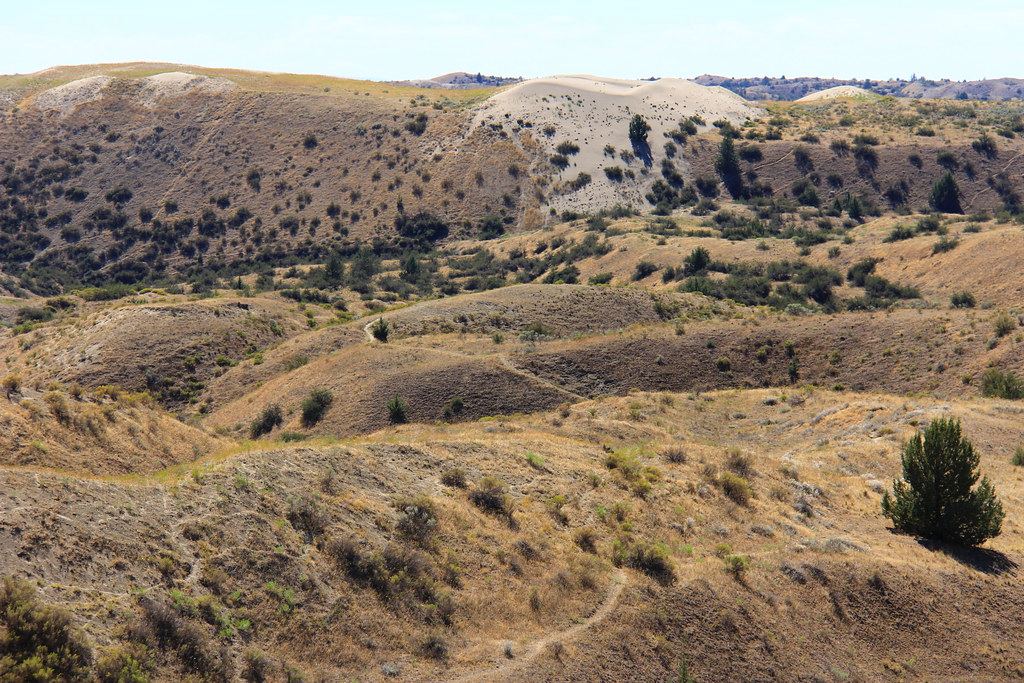
Nevada has more than 5.8 million acres of Forest Service land, and nearly 3.2 million acres of that are inventoried roadless areas, according to the outlet. That includes thousands of acres in the Lake Tahoe Basin. Roadless areas generally contain resources such as public drinking water sources, cultural properties or habitat for endangered or threatened species.
Nevada has little commercial logging, but opponents worry the repeal could open existing roadless areas to development, the outlet reported.
Off-road travel
Roughly 87 percent of Nevada's land is managed by the federal government, and off-roading is one of the state's most popular recreational activities. When the earlier off-road limits were adopted, the Humboldt Toiyabe National Forest had more than 6,000 miles of Forest Service roads plus at least that many miles of unofficial roads and motorized trails, according to the Forest Service. The Nevada Association of Counties was among those that opposed those limits.
The wildfire debate
The government's case
The administration has called the Roadless Rule "a one-size-fits-all restriction that has frustrated land managers and served as a barrier to wildfire risk reduction work." The Forest Service estimates that more than 40 percent of inventoried roadless areas have high or very high wildfire potential, and that just 5 percent of those areas have seen fuel reduction work since 2014. Forest Service Chief Tom Schultz said in a press release that acting now is the best way to reduce wildfire risk.
The counterarguments
According to the Center for Western Priorities, the Forest Service's own analysis shows repeal would raise the risk of wildfire ignitions for only "modest" gains in fuel reduction. Nationally, 95 percent of wildfires are started by people, and nearly two-thirds of those start along roadsides. Research from Wilderness Society scientists found the ignition rate near roads is roughly four times greater than in wilderness and roadless areas.
Johanna Nosal, a former Forest Service forester, told the outlet she supports repeal from a forestry standpoint because it could allow more fuel reduction and forest resiliency work. But she said that work in areas now protected has "a very small chance of making meaningful impact on wildfire."
How Nevada groups are reacting
Shaaron Netherton, executive director of Friends of Nevada Wilderness, opposes the repeal. "More roads does not equal less fires," Netherton told The Nevada Independent, describing the broader changes as "a systematic dismantling of everything."
Matthew Giltner, executive director of the Nevada Offroad Association, said the changes would be "almost inconsequential" in Nevada, which already has thousands of miles of off-road trails. He argued that if trails are not designated for motorized use, riders will create their own. "If you provide quality trails to drive on, they stay on them," he said.
Giltner also said that despite the public comment periods, enactment of the rules is all but a done deal. "Politics are what they are," he told the outlet.
What to watch next
- Public comment on the proposed repeal of the Roadless Rule closes Oct. 6.
- The administration is poised to decide on revisions to the 2005 Travel Management Rule; public comment on that off-road plan closed in late September.