Real Estate · Valley-wide
Nevada HOAs cannot enforce state license plate law but can enforce their own written parking rules, columnist says
A Review-Journal HOA column says Nevada's 30-day vehicle registration rule is enforced by the DMV and police, not associations, though HOAs may enforce written parking rules applied consistently.
Listen to this brief · 4 min
Read aloud by an AI voice from the text below. Download MP3
What happened
A reader living in a Las Vegas-area condo community asked Las Vegas Review-Journal columnist Barbara Holland whether the homeowners association's board and management company could be held responsible for not acting on tenants' vehicles with out-of-state plates. Holland's answer was that an HOA has no power to enforce Nevada's vehicle registration law, though it can enforce its own written parking rules.
The question reflects a situation in communities with many renters, where residents and vehicles change often. Holland, who writes about real estate management and brokerage issues, answered by pointing to three sections of Nevada Revised Statutes.
The reader's complaint
A community with heavy turnover
The letter writer described a community of 270 condo units, with 65 percent of residents leasing from owners. According to the letter, tenants pay rent to offsite investor owners who do not always pass along the HOA's CC&Rs, rules and written policies. The reader also said no board members live on the property and that they rent out their own units.
The parking rules on the books
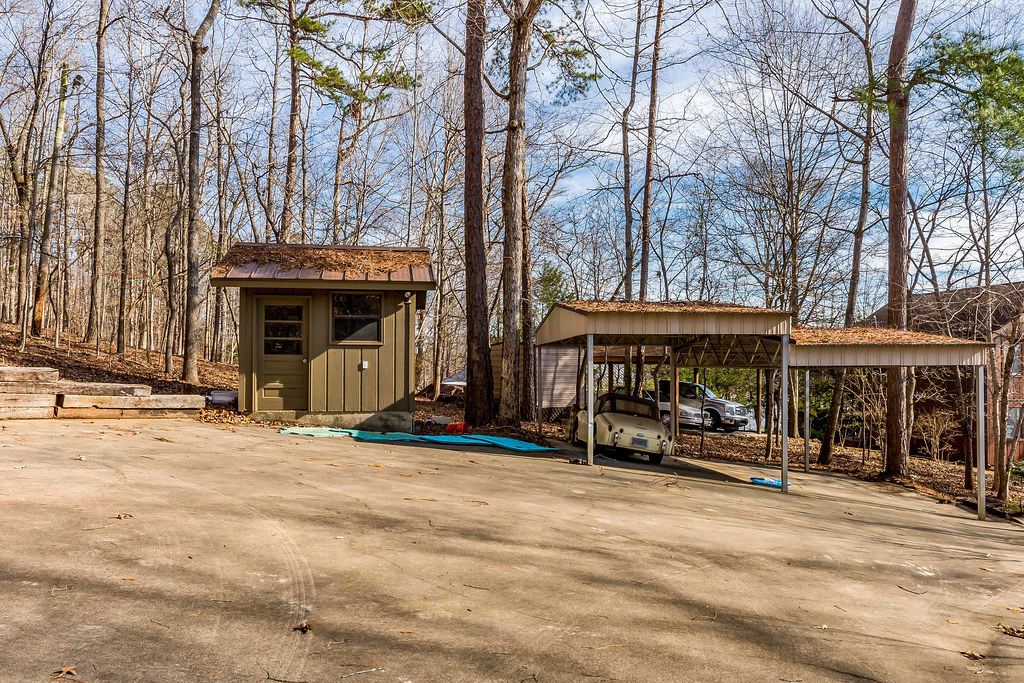
According to the reader, the community's rules give each owner two vehicles on site: one under a carport and a second in an open spot that must be moved once every 24 hours. The reader said some tenants' cars carry out-of-state plates, some of them expired. The letter also described vehicles parked with no plates at all and cars with crash damage that goes unrepaired.
The reader said they believed people who move to Nevada and live here more than 50 percent of the year must get Nevada plates, but were unsure of the exact time frame. They asked whether the board and management company were complicit or liable, and what could be done to compel them to act.
What the columnist said Nevada law allows
Registration is a state matter
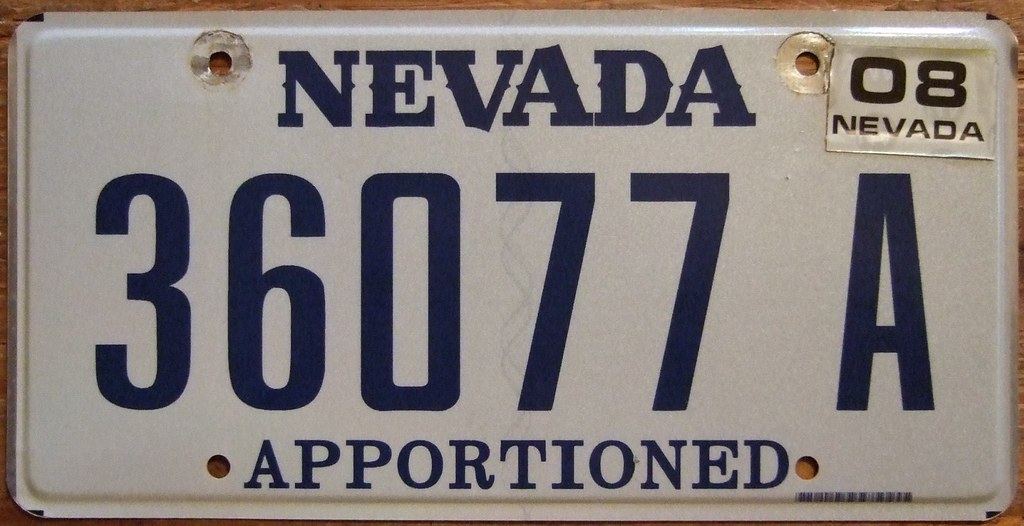
Holland wrote that NRS 116 does not explicitly require residents to have Nevada license plates. She pointed instead to NRS 482.385, which she said requires new residents and vehicle owners to register their vehicles and get Nevada plates within 30 days of establishing residency.
An HOA cannot enforce that statute on its own, Holland wrote, because state vehicle registration laws are public laws enforced only by state agencies such as the DMV and law enforcement.
What an HOA can enforce
Under NRS 116.3102, Holland wrote, an association can enforce its own community parking and vehicle rules if those rules are written in the CC&Rs or bylaws and applied consistently. She added that an association cannot adopt or enforce a rule that attempts to enforce the state motor vehicle code.
Why it matters for HOA residents
The column draws a line between two kinds of rules. According to Holland, whether a vehicle has been properly registered in Nevada is a question for the DMV and law enforcement. Rules about carports, open spaces and moving vehicles every 24 hours are the association's to enforce, as long as they appear in its governing documents and are applied consistently.
For residents in renter-heavy condo communities, that means a complaint about out-of-state plates and a complaint about parking violations may go to different places. More coverage of housing and homeowner issues is on our real estate page, and neighborhood stories are collected on our neighborhoods page.
What to watch next
- Whether the reader's board and management company enforce the community's written two-vehicle and 24-hour parking rules, which the reader said were not being consistently monitored.
- The reader's question about whether the board and management company could be held liable was not directly answered in the published column.
- The Review-Journal noted that the Commission for Common-Interest Communities and Condominium Hotels on Sept. 9 adopted proposed health, safety and welfare violation regulations.