Development · Nevada
Nevada tribes and preservationists warn a federal jobs bill could weaken protections for historic and sacred sites
A 417-page Senate bill meant to speed energy projects would narrow historic preservation reviews. Nevada critics, including Preserve Nevada and Sen. Catherine Cortez Masto, point to risks for tribal sites and the Mormon Fort.
Listen to this brief · 4 min
Read aloud by an AI voice from the text below. Download MP3
What happened
Nevada tribes, historic preservationists and environmental groups are raising concerns about the Bipartisan American Affordability and Jobs Act, a 417-page federal bill, the Las Vegas Sun reported. On its face, the measure seeks to eliminate red tape so construction can move faster and energy costs can come down. Nevada opponents object to how it handles tribal rights, historic landmarks and fossil fuels.
The bill was introduced in September and is backed by a bipartisan group of senators. According to the Sun, it advanced in the U.S. Senate on a 65–31 procedural vote Wednesday and remains under debate as critics question its effect on environmental and tribal protections.
What the bill would change
Stricter deadlines and narrower reviews
The legislation aims to speed up construction of energy infrastructure by setting stricter deadlines and narrowing environmental review under laws such as the National Environmental Policy Act, the Sun reported. Critics are questioning how those changes would affect environmental and tribal protections.
Section 106 of the preservation law
Title III of the bill weakens section 106 of the National Historic Preservation Act. That law, passed in 1966, set up procedural protections for historic and archeological resources so that urban growth does not ruin places significant to the nation's history.
Michael Green, executive director of Preserve Nevada, defended that review process in comments to the Sun, saying, "This is the kind of red tape we need desperately." He said that if the bill passes as written, historic buildings could be torn down without notice. Using the example of a federal highway built through a historic neighborhood, Green said the bill "would eliminate a lot of the permitting and reviewing that goes into it."
Why the Mormon Fort is part of the debate
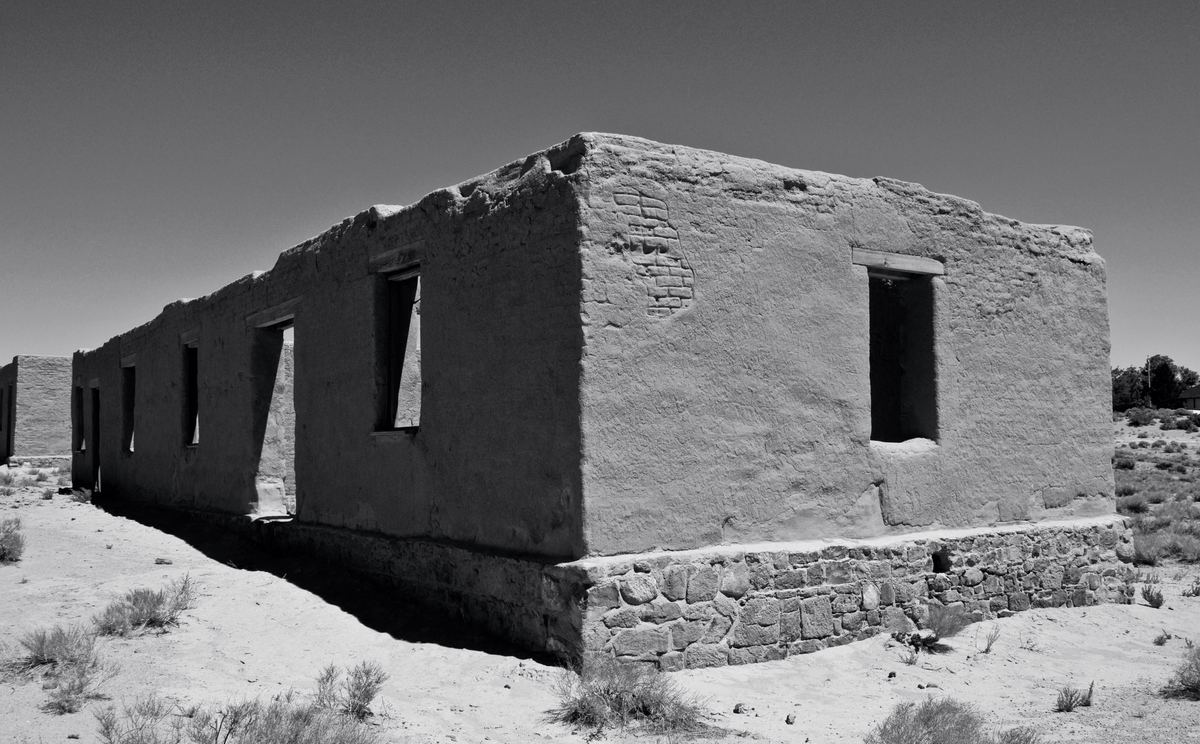
Preserve Nevada is a statewide historic preservation group that releases a yearly list of the state's most endangered historic places to build support for recording and preserving Nevada's history. The Mormon Fort is on the group's list of 11 most endangered sites, the Sun reported.
The fort sits across from the site of the Grant Sawyer State Office Building, which was torn down in July, and from Cashman Field, which is supposed to be redeveloped. Green questioned what would happen to the fort if the surrounding area is redeveloped "without any thought to how it affects the fort." Readers can follow other redevelopment projects around the valley in our development section.
Concerns from Nevada tribes
Consultation and sacred sites
Tribes warn that Title III weakens government-to-government consultation and reduces their ability to protect sacred sites, burial grounds and cultural resources, according to the Sun. "This would have a significant impact on Native Americans, because we're talking about sacred sites," Green said.
Cortez Masto seeks to strike the section
Sen. Catherine Cortez Masto, D-Nev., has proposed an amendment to remove the tribal provisions from the bill because of the risk they pose to tribal communities. "I cannot ignore the concerns that tribes in Nevada have with this bill text," she said in a statement reported by the Sun.
Cortez Masto said the changes to the National Historic Preservation Act "were made without their input" and that they violate the federal government's responsibility to consult with tribes on a government-to-government basis. She said that is why she is demanding the section be struck from the bill.
What to watch next
- Continued Senate debate on the Bipartisan American Affordability and Jobs Act after Wednesday's 65–31 procedural vote.
- Action on Sen. Catherine Cortez Masto's proposed amendment to strike the tribal provisions from the bill.
- Whether Title III's changes to section 106 of the National Historic Preservation Act stay in the bill as written.
- Planned redevelopment of Cashman Field, across from the Mormon Fort.