Community · Nevada
Wild horse groups ask a federal judge to halt a BLM helicopter roundup of about 600 horses in central Nevada
Three advocacy groups sued to stop a Dec. 4 roundup near the Clan Alpine Herd Management Area, arguing the BLM relies on outdated counts and that captured horses could end up at slaughter.
Listen to this brief · 4 min
Read aloud by an AI voice from the text below. Download MP3
What happened
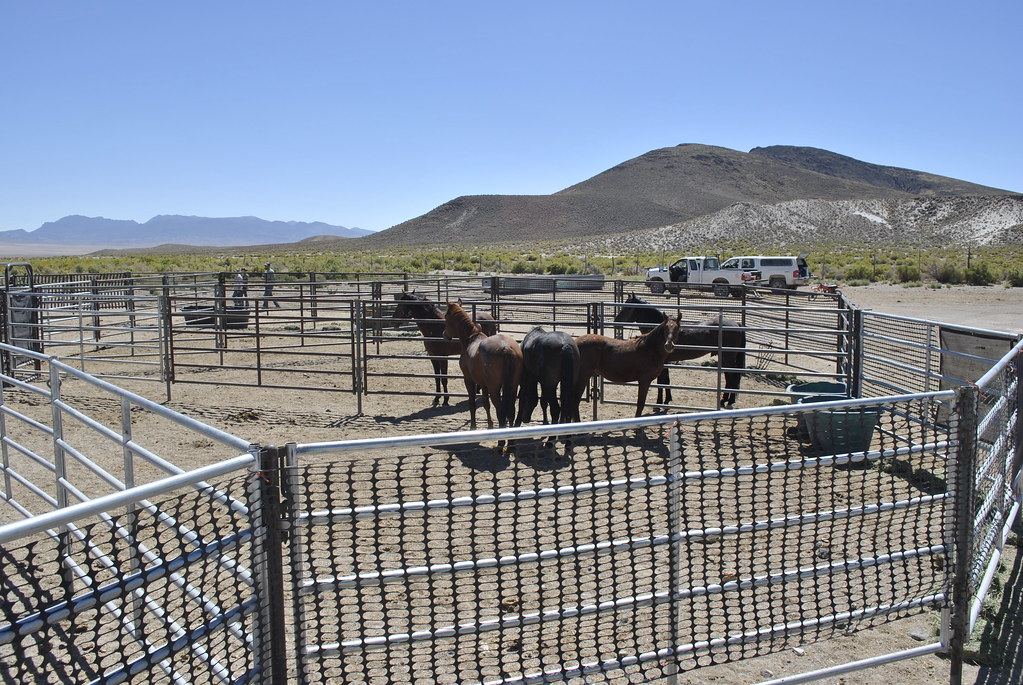
Three wild horse advocacy groups are asking a federal judge to block the Bureau of Land Management from rounding up about 600 wild horses in central Nevada, the Las Vegas Sun reported. Montgomery Creek Preserve, Rewilding America Now and Wild Horse Education filed the lawsuit Tuesday in U.S. District Court for the District of Nevada and announced it in a news release Wednesday.
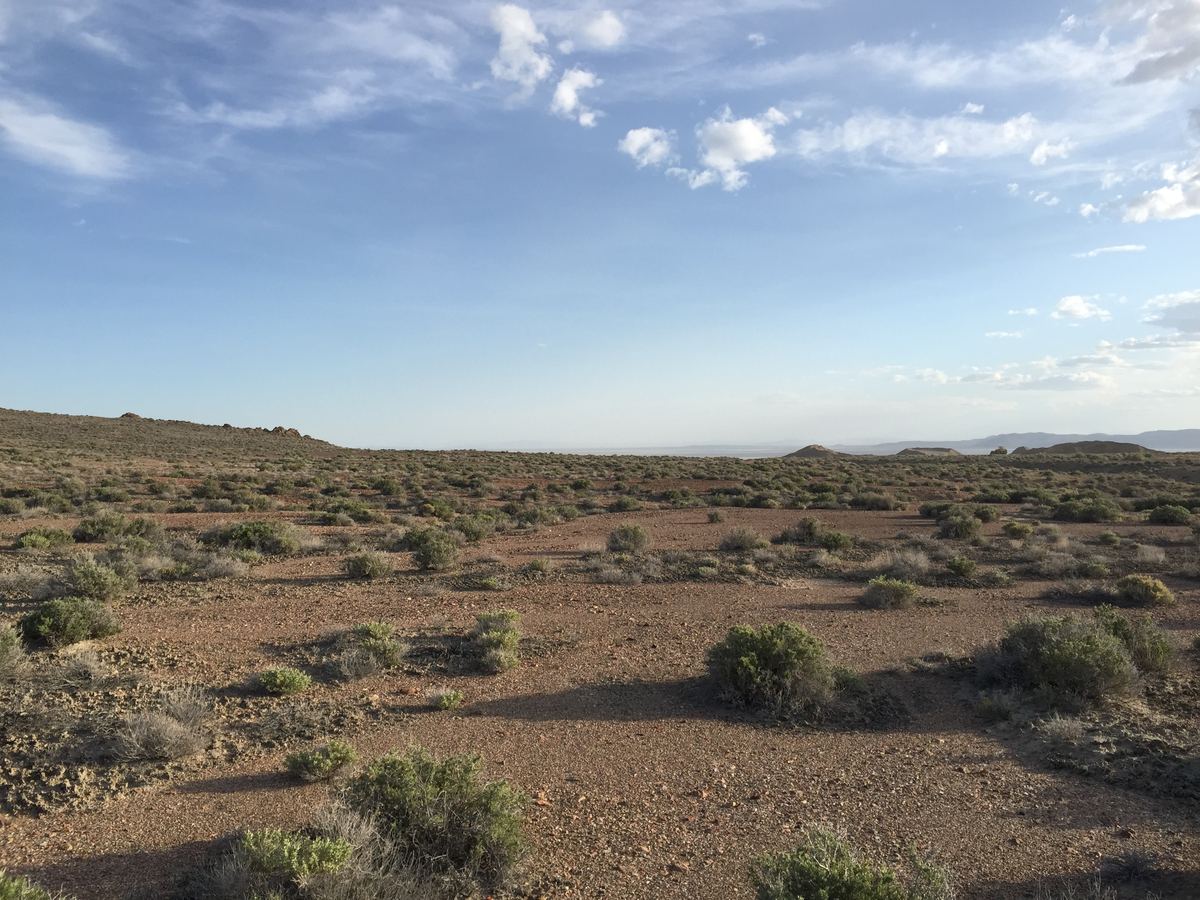
The groups want a temporary restraining order to stop a helicopter roundup set to start Dec. 4 in and around the Clan Alpine Herd Management Area in Churchill County. They argue the agency is violating the Wild Free-Roaming Horses and Burros Act by leaning on a 2023 environmental assessment instead of current data showing that excess horses exist.
The dispute over herd numbers
What the 2023 roundup left behind
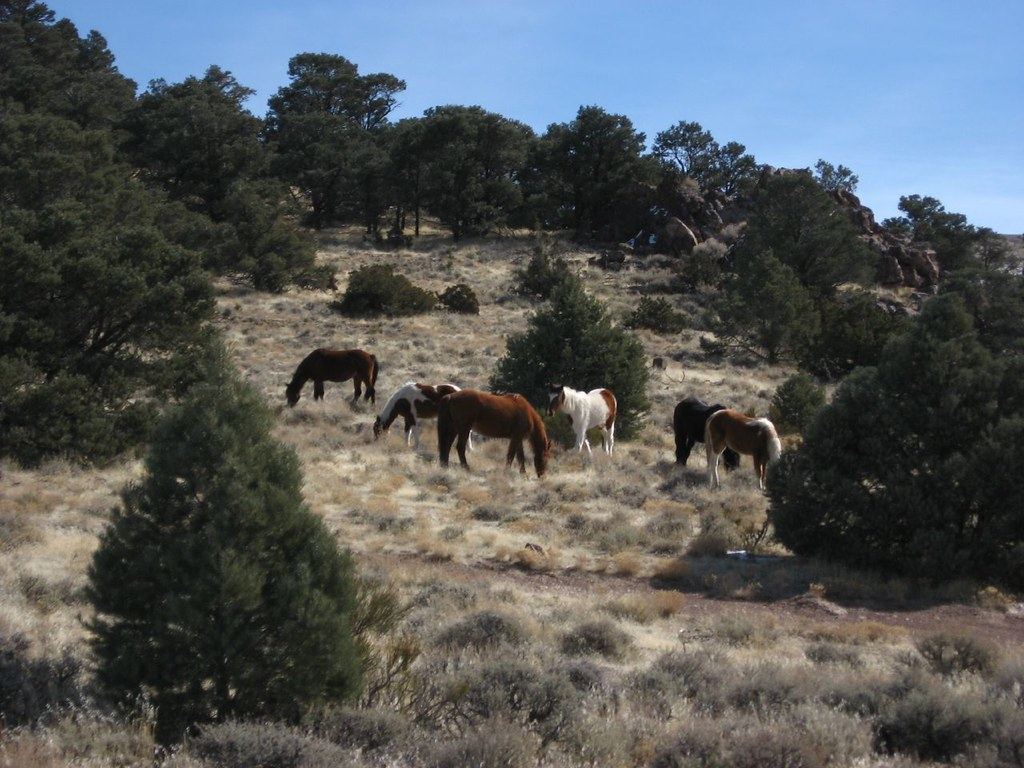
According to the groups, the 2023 roundup captured 1,605 Clan Alpine horses, killed 23 and cut the herd to 612. That figure sits at the bottom of the herd's target range of 612 to 979 horses.
Why the groups question the new count
The agency now says the herd has doubled to 1,224 horses in two years, the Sun reported. The groups say that number does not match the agency's own baseline of 14.1% annual growth. They also say it ignores recent fertility control treatments, drought and the 2026 Shoshone and Blue Eagle fires, which burned 11% of the range.
The groups also say the agency has withheld the March 2024 aerial census it relies on. They say the agency issued its Nov. 10 roundup decision with immediate effect and without public notice.
Concerns about slaughter
The impound notice
The lawsuit points to a September impound notice from the agency's Carson City District. The notice allows the agency to round up unauthorized livestock for 12 months across 5.3 million acres. That area includes land outside the herd management area, where the agency counted 150 Clan Alpine horses in 2024.
The groups say the notice lets the agency label any horse as unauthorized livestock, and that there is no public process for telling protected wild horses apart from stray livestock. Horses classified as livestock lose federal protection and can be sold within days, according to the groups. The Sun noted that in September, 11 wild horses from Nevada's state-managed Virginia Range turned up at a Southern California feedlot that supplies out-of-state kill buyers, which led to an investigation by the Nevada attorney general.
The sales program
The groups also cite the agency's wild horse sales program, which The New York Times investigated this fall. They say at least 28 wild horses from the Clan Alpine area entered the slaughter pipeline through the program between March 2025 and August 2026. That includes 18 of 496 horses bought from the agency by a horse trader the Times tied to shipping horses to slaughter in Canada.
What the groups are saying
Laura Leigh, founder of Wild Horse Education, said the agency canceled a planned Clan Alpine roundup in 2011 after her group challenged it and a new aerial count showed too few horses. "Now it appears the agency is repeating that mistake," she said, according to the Sun.
Manda Kalimian, president of Rewilding America Now, said the case is about challenging loopholes in the impound notice. Ellie Price, founder of Montgomery Creek Preserve, said "BLM has pushed past the limits Congress set to protect these animals." The Sun's report did not include a response from the Bureau of Land Management.
What to watch next
- Whether the federal court grants the groups' request for a temporary restraining order.
- The helicopter roundup in and around the Clan Alpine Herd Management Area, scheduled to begin Dec. 4.
- The September impound notice from the Carson City District, which allows roundups of unauthorized livestock for 12 months across 5.3 million acres and is challenged in the lawsuit.