Nation · National
Supreme Court agrees to hear Maryland parents' challenge to race-neutral middle school magnet admissions
The justices will decide whether a parent group in Montgomery County, Maryland, has enough evidence of discrimination to revive a lawsuit over admissions to four selective middle school magnet programs.
Listen to this brief · 5 min
Read aloud by an AI voice from the text below. Download MP3
What happened
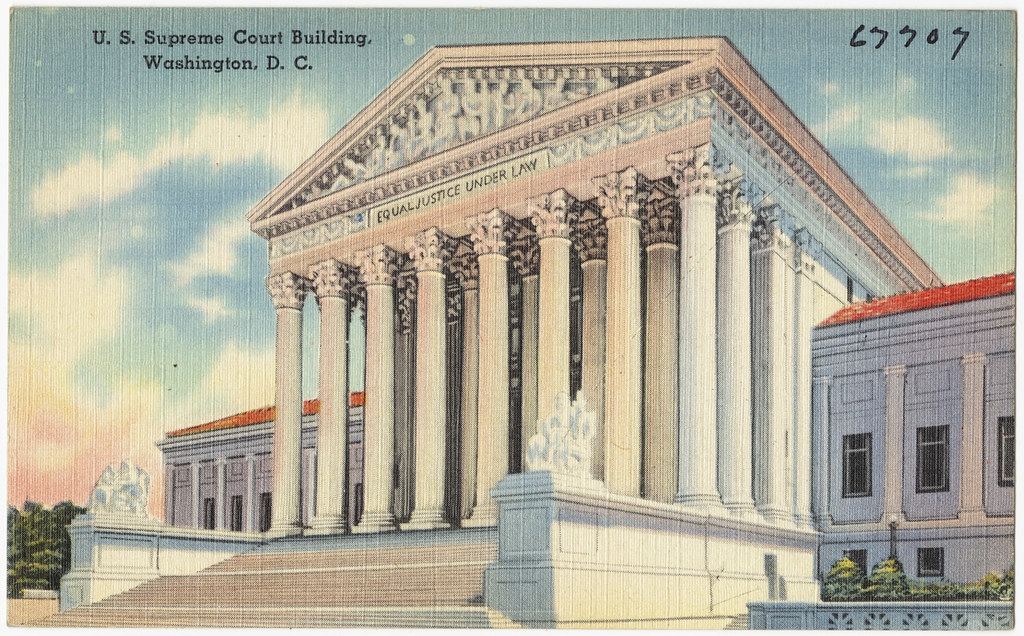
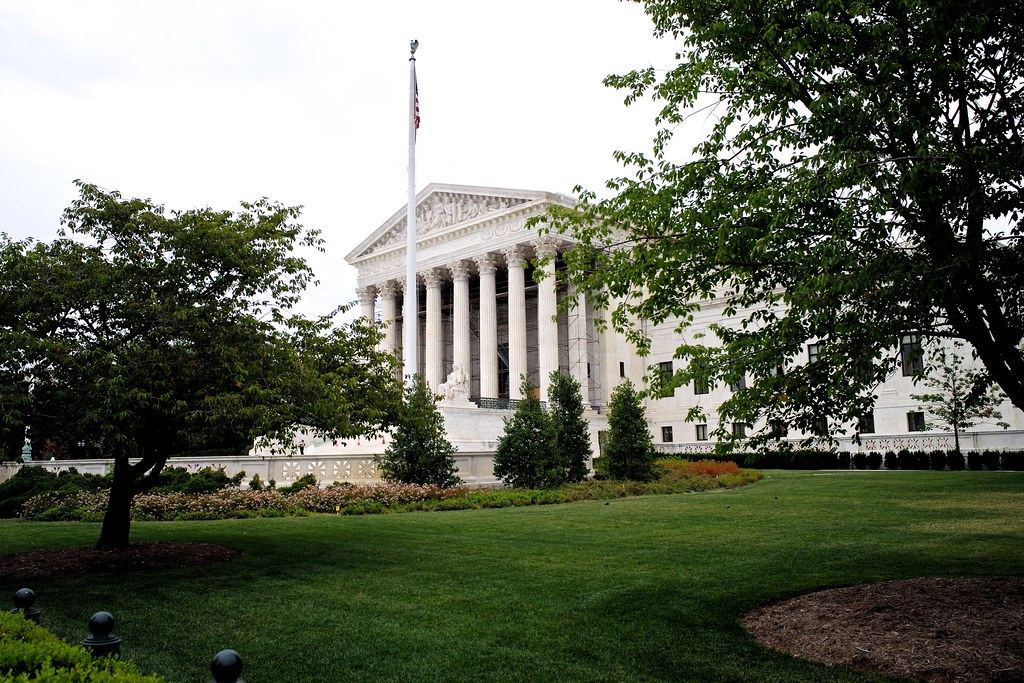
The U.S. Supreme Court agreed Monday to hear a case about how race factors into admissions at selective middle schools, ABC News reported. The decision comes three years after a majority of the court struck down affirmative action in college admissions.
According to ABC News, the court said it will weigh whether a parent group has enough evidence of discrimination for its lawsuit to move forward. Arguments are expected in the coming months.
The dispute in Montgomery County
The parents' claim
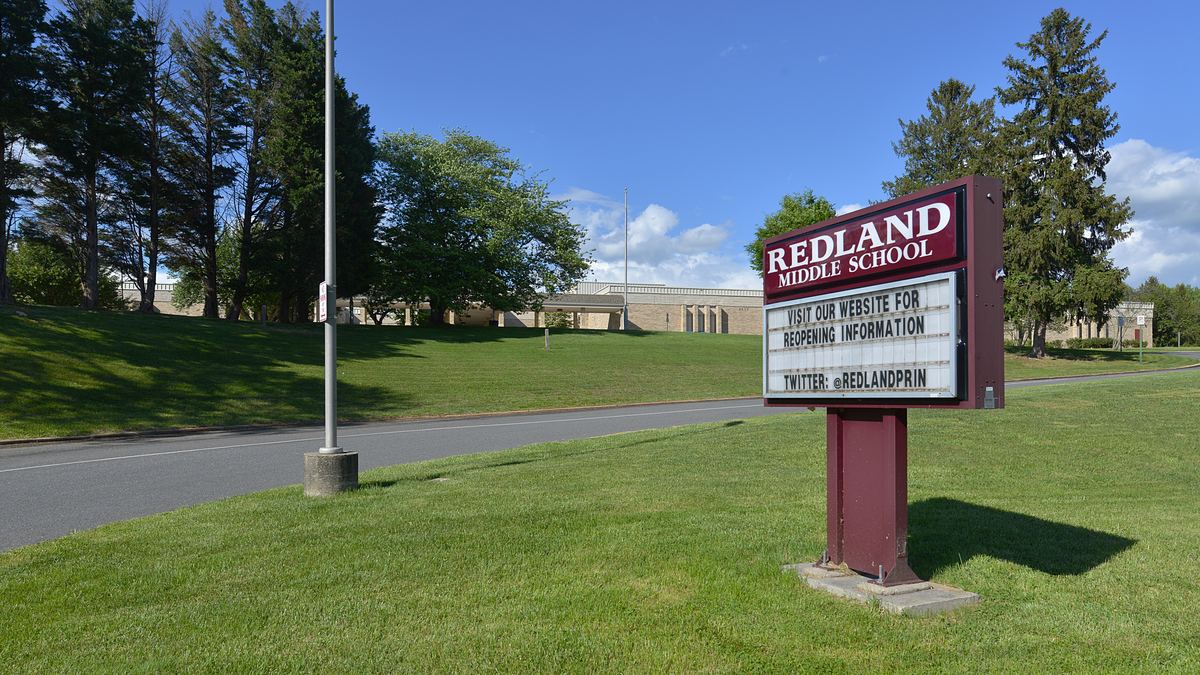
The case involves four magnet middle schools in Montgomery County, Maryland, a diverse suburb of Washington, D.C. A parent group called the Association for Education Fairness says the district's admissions policy was designed to increase the admission of Black and Latino students while putting Asian American children at a disadvantage, ABC News reported.
The group sued in 2020. The school system educates more than 150,000 students, according to ABC News.
How the admissions policy changed
ABC News reported that the dispute traces back to a policy change that began a decade ago, when the district hired a consulting group to review how it picked students for its middle school magnet programs. The district then began considering the poverty levels of the schools students attended. Afterward, the share of Asian American students, who were concentrated in more affluent, high-performing schools, dropped.
Soon after the lawsuit was filed, the district dropped an extra in-person exam. Students now qualify for a lottery based on standardized test scores, but those at more affluent schools, where Asian American students are concentrated, need higher scores to enter the lottery, according to ABC News.
Why the lower courts dismissed the case
The applicant pool comparison
The lawsuit was first thrown out because Asian American students were not underrepresented compared with their share of the applicant pool, ABC News reported. The Fourth Circuit Court of Appeals upheld that dismissal, saying the parents had not shown harm because Asian American students were still admitted at higher rates than their share of applicants.
A Virginia case as precedent
The appeals court relied on a recent ruling involving a highly selective magnet high school in Virginia, according to ABC News. Parents in that case lost in part because Asian American students remained overrepresented relative to the applicant pool.
What the Supreme Court will decide
The justices will consider whether a group that says it was targeted by a race-neutral policy must show it was disproportionately harmed in order to prove intentional discrimination, ABC News reported. A ruling for the parent group could revive the lawsuit.
The parents' argument
Attorneys for the Montgomery County parents argued that comparing a group's share of admissions to its share of applicants is not enough, and that other evidence of discrimination should count. In their appeal, they wrote that "Under the applicant pool benchmark, the government can set specific racial targets, hit them, and avoid even an inquiry into discriminatory intent," as long as race is not explicitly named, ABC News reported.
The school system's response
The district has consistently said its policy, known as the Pandemic Plan because of when it was released, is race-neutral. In a brief urging the court not to take the case, its attorneys wrote, "The Pandemic Plan is a colorblind lottery," according to ABC News. For more on education issues closer to home, see our schools coverage.
What to watch next
- Oral arguments, which ABC News reported are expected in the coming months.
- Whether the court requires groups challenging race-neutral policies to show disproportionate harm to prove intentional discrimination.
- Whether a ruling for the Association for Education Fairness revives its lawsuit against the Montgomery County school system.