Public Safety · Nevada
Federal nuclear safety board says it is being denied key information about work at the Nevada National Security Site
The Defense Nuclear Facilities Safety Board told Congress it has been denied reports, schedules and meetings at the Nevada National Security Site while the Energy Department rewrites dozens of safety orders.
Listen to this brief · 5 min
Read aloud by an AI voice from the text below. Download MP3
What happened
The Defense Nuclear Facilities Safety Board, the only federally authorized independent agency overseeing 14 federal nuclear facilities, is facing what current and former members call the "most significant" access challenges ever at the Nevada National Security Site, The Nevada Independent reported. In a July letter to Congress, the board chair said the board had been denied unredacted reports from top officials, schedules of highly hazardous activities and site databases.
Board staff still have some oversight ability but have been uninvited from certain meetings, according to the outlet. The board has since regained access to some site databases, but the other problems remain. The Department of Energy did not respond to requests for comment, the Independent reported.
A congressional aide in touch with board staff told the outlet the board has been denied information at the Nevada site at a higher rate than at other sites. The July letter came four months after Trump administration officials sent a memo stressing the Energy Department's "own independence" in its dealings with the board.
The site and its work
A former test site still in use
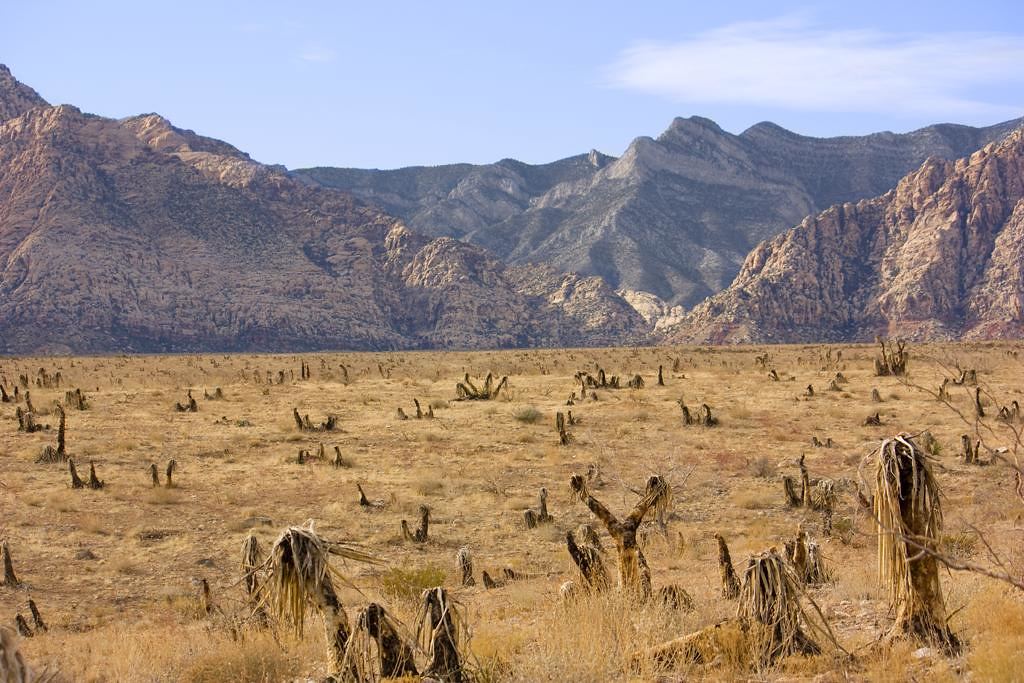
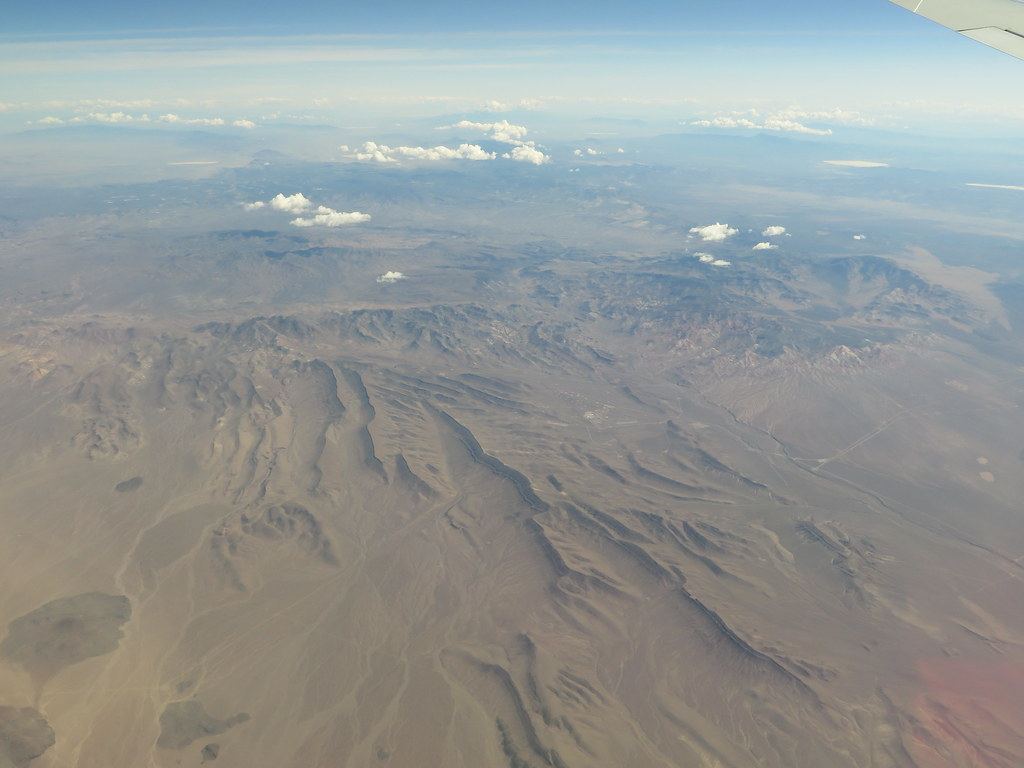
The Nevada National Security Site, in Nye County, spans more than 1,300 square miles and is the nation's largest federal nuclear site, according to the Independent. Once called the Nevada Test Site, it hosted 928 above-ground and underground nuclear weapon tests from 1951 to 1992. Today it is home to subcritical experiments, which use explosives to put pressure on nuclear materials without allowing a nuclear chain reaction.
More hazardous experiments planned
The board's latest annual report to Congress says the site is preparing for more hazardous subcritical experiments "with designs akin to weapon-like configurations." In its July letter, the board said the National Nuclear Security Administration told it the board "will not be invited to observe" meetings where plans for these experiments are discussed, and it was denied related schedules. Board staff say those issues are still present.
Don Hancock of the Alliance for Nuclear Accountability told the Independent that contamination from decades of testing remains. "We're talking about a very long-term hazard," he said.
Why the board has less power now
Only one of five seats filled
For the first time in its history, the board has only one member out of five slots, fewer than the three needed to submit recommendations to the president and energy secretary, the outlet reported. Members require Senate approval. President Donald Trump has not nominated anyone in his second term, and there has not been a nominee in more than two years.
Energy Department rewrote dozens of orders
The Energy Department has revised or canceled 50 orders related to safety, quality and oversight under an initiative it calls "updated operating directives." The Independent reported this was done without consulting independent safety oversight bodies and labor unions. Top Democrats on congressional appropriations committees wrote to Energy Secretary Chris Wright in September seeking clarity and never received a response.
Former board chair Joyce Connery said in a webinar this month, "They want to move faster." For more on oversight issues across the state, see our public safety coverage.
What Congress is doing
Rep. Steven Horsford, whose district includes the site, said his office is in contact with the House Appropriations Committee and is "working across congressional offices to address the concerns." During the first Trump administration, a similar dispute led to defense spending bill language saying the board should have "prompt and unfettered access" to nuclear facilities.
The Alliance for Nuclear Accountability wants the next defense spending bill to fix the access problems and require quarterly reports to Congress. This year's defense bill has not passed, and neither chamber's version includes that language. A Senate subcommittee approved an explanatory note tied to a water and energy funding bill directing the department to grant the board access, the outlet reported.
On Friday, top Democrats on the appropriations committees sent three letters seeking accountability, including one asking the U.S. Government Accountability Office to review the initiative and whether it will impede the board's access.
What to watch next
- A conference committee with members of both chambers on the water and energy bill, followed by floor votes.
- Whether the final defense spending bill adds language on the board's access.
- Whether the administration nominates new board members so it can again issue recommendations.
- The requested Government Accountability Office review of the Energy Department's rule changes.