Public Safety · Downtown Las Vegas
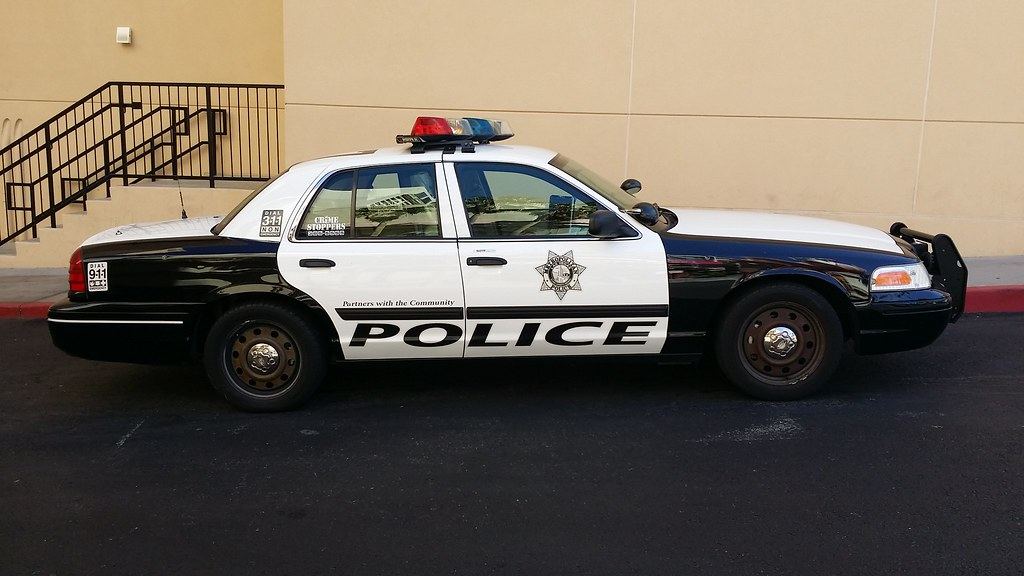
Las Vegas Metro police rewrite protest policy after settling lawsuits over June 2025 anti-ICE demonstration
KTNV reports Metro's revised protest policy, dated August, limits pepper-ball use and adds a final warning before arrests after the department settled lawsuits from a June 2025 downtown protest.
Listen to this brief · 6 min
Read aloud by an AI voice from the text below. Download MP3

What happened
The Las Vegas Metropolitan Police Department has rewritten its policy for handling protests, KTNV Channel 13 reported. Documents obtained by the station's 13 Investigates team show the revised policy is dated August of this year. It is nearly twice as long as the earlier version and goes into far more detail on dispersal orders and the use of pepper balls.
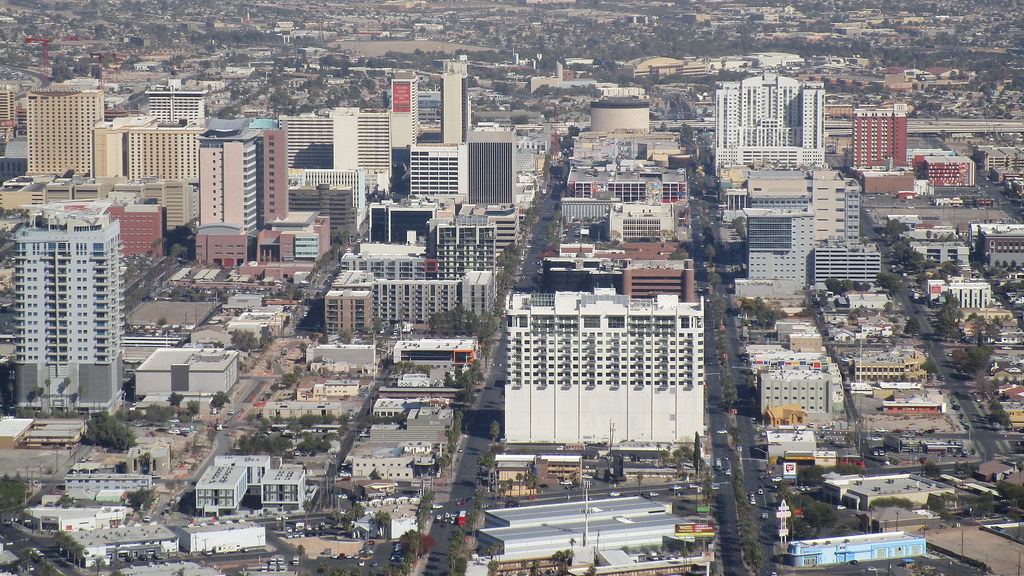
The rewrite followed lawsuits alleging excessive force and unconstitutional policing at a June 2025 anti-ICE protest in downtown Las Vegas. KTNV said Metro did not respond to its request for an on-camera interview about what prompted the changes, how they will be enforced and what accountability measures are in place. For related coverage, see our public safety section.
The June 2025 protest and lawsuits
What bodycam footage showed
According to KTNV, bodycam footage showed a SWAT officer joking and laughing with colleagues while firing pepper balls at protesters who, the video shows, were peaceful. Footage also captured Bryan Peterson, now an assistant sheriff and at the time the deputy chief over SWAT, saying, "I want to isolate them and arrest every one of them."
Two settlements
Emmanuel Beltran was shot multiple times with pepper balls while leaning against a light pole and watching the protest, KTNV reported. He was arrested that night but never charged, and his lawsuit against Metro settled for $150,000. Beltran told the station he was trying to get back to his car when officers said they would not release him because the orders came from above.
Karlin Martinez was arrested while livestreaming after the protest ended, and her stream recorded the entire arrest. She was also never charged, and Metro settled her lawsuit for $325,000. Both were represented by attorney Stephen Stubbs, who told KTNV, "You can't take the bad acts of a few and then extinguish and terminate the First Amendment rights of everybody else."
What the new policy changes
Dispersal orders and a final warning
The revised policy puts new weight on "actively facilitating" peaceful First Amendment activity, KTNV reported. Dispersal orders must be based on time, conduct and context, not simply on where a person is standing. A new "Last Chance Notice" requires officers to tell individual people that a dispersal order is in effect and give them a final opportunity to leave. Only after that, the policy says, "arrest may be appropriate."
Limits on pepper balls
The policy makes clear that pepper balls are not a crowd-control tool to be used against everyone at a protest. Officers may not target people because of protected speech, fire indiscriminately into crowds or use pepper balls on people who are peacefully leaving. The policy says pepper balls should be directed at the ground rather than at people.
Questions about follow-through
Athar Haseebullah, executive director of the Nevada ACLU, noted that the change came after the lawsuit settlements but said corrective action could be a good thing. He told KTNV he hopes new policies, training and monitoring, by Metro as well as by his organization and other attorneys, will let people exercise their First Amendment rights without fear of local police. He added that "you can be both encouraged by a policy change and still remain skeptical."
KTNV previously reported that Metro made similar promises after lawsuits tied to Black Lives Matter demonstrations, telling a federal judge it had learned from past mistakes and would stop using force against non-threatening protesters. Stubbs told the station that Metro showed the court its changed policies then, and that incidents like the June 2025 protest leave him shaking his head.
Beltran said the new policy leaves him "a little hopeful," but that the future will show whether Metro does what it says. Martinez said she sees the change as an accomplishment for the community and for Metro, since the department is the one implementing it.
What to watch next
- Whether Metro officers follow the revised protest policy at future demonstrations, which Beltran and the Nevada ACLU say remains an open question.
- New trainings and monitoring that Haseebullah said he hopes will accompany the policy change, along with continued monitoring by the ACLU and other attorneys.
- Any response from LVMPD to KTNV's questions about what prompted the changes, how they will be enforced and what accountability measures exist.