Nation · National
Federal judge rules the Justice Department unlawfully fired Maurene Comey, daughter of ex-FBI Director James Comey
U.S. District Judge Jesse Furman ruled Monday that firing the New York federal prosecutor violated the separation of powers and federal law, in a case testing presidential removal power. The DOJ says it will appeal.
Listen to this brief · 5 min
Read aloud by an AI voice from the text below. Download MP3

What happened
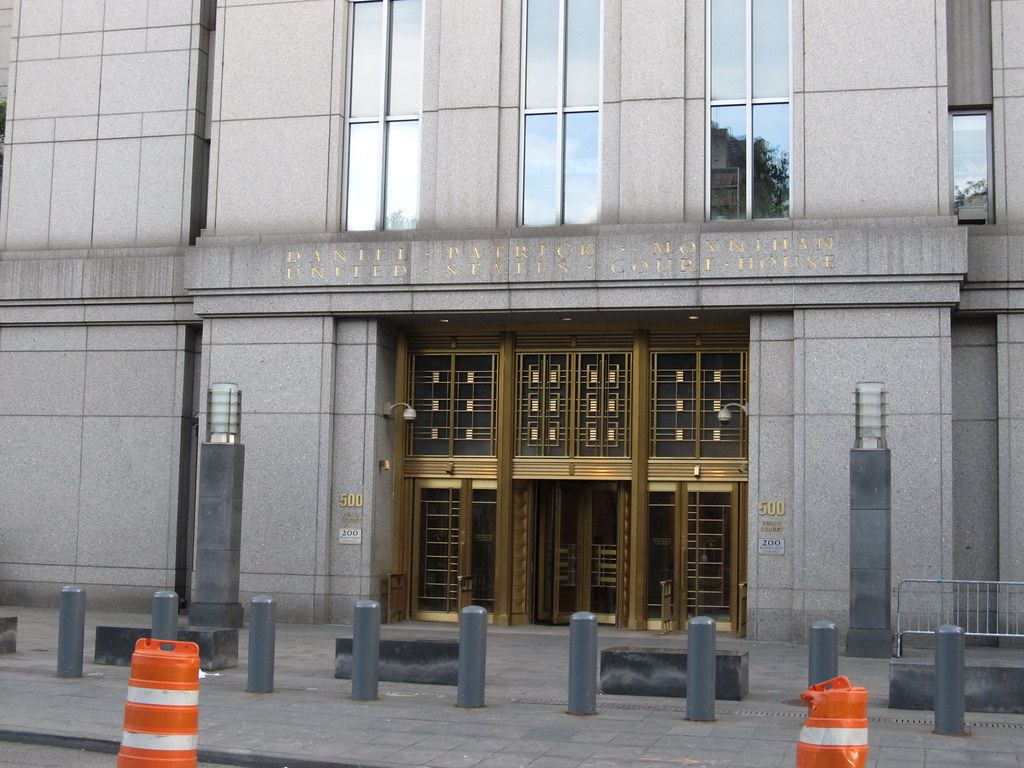
A federal judge ruled Monday that the Justice Department unlawfully fired Maurene Comey from her job as a federal prosecutor in the Southern District of New York, CBS News reported. U.S. District Judge Jesse Furman found in a 55-page decision that her removal violated the constitutional separation of powers and federal law. Comey is the daughter of former FBI Director James Comey.
Comey was fired in July 2025. According to CBS News, the judge retroactively reinstated her and ordered the Trump administration to pay her back pay from the date of her firing through Dec. 20, when she accepted a different job. CBS reported that her lawsuit was one of several by fired former government employees testing the limits of the president's power to remove federal officials.
How the judge reached his decision
Separation of powers and civil service law
The administration argued that Article II of the Constitution gives the president unrestricted removal power and that Congress could not limit the removal of federal prosecutors, CBS News reported. Furman ruled the firing violated the Civil Service Reform Act, a 1978 law that protects federal workers. The Associated Press, via PBS NewsHour, reported he also found violations of the Administrative Procedure Act and of Comey's Fifth Amendment due process and statutory rights.
Furman wrote that the government's position "flies in the face of nearly two centuries of Supreme Court precedent," according to the AP. NPR reported he wrote that the department "invented a new and expansive theory of executive power." He also wrote: "To accept Defendants' argument would be to unsettle the very equilibrium established by this Nation's constitutional system."
The Supreme Court argument
In defending the firing, the administration relied in part on the Supreme Court's June decision allowing the president to fire members of certain independent agencies without cause, CBS News reported. That ruling overturned a more than 90-year-old decision. Furman called the department's argument a "sweeping and unprecedented theory of executive authority."
Whether the court could hear the case
The administration had tried to dismiss the lawsuit, arguing Comey needed to take her claims to the Merit Systems Protection Board, which hears federal employee appeals. Furman denied that motion, according to CBS News. He found that because the firing rested on Article II rather than a civil service law, the federal court had jurisdiction.
Background on the firing
Comey had been a federal prosecutor in Manhattan since 2015, handling cases involving Sean "Diddy" Combs, Jeffrey Epstein, Ghislaine Maxwell and former Democratic Sen. Robert Menendez, CBS News reported. In a letter to colleagues, she said she was "summarily fired via memo" and given no reason. In court filings, the Justice Department admitted she was rated "outstanding" from 2019 through 2024, but said the firing used authority Congress gave the attorney general.
In May, the administration said then-Attorney General Pam Bondi "directed" the removal and her successor, Todd Blanche, "ratified" it, according to CBS. Comey's lawsuit alleged she was probably fired because President Trump dislikes her father.
Reaction and the wider picture
Comey's lawyers, Ellen Blain, Nicole Gueron, Deepa Vanamali and Margaret Donovan, said in a statement: "This hard-earned victory belongs to Ms. Comey, to all civil servants, and to all fighting for the rule of law." A Justice Department spokesperson told CBS News the department "disagrees with this decision and will appeal in due course."
The AP reported that the Justice Department under the Trump administration has fired scores of career employees, including prosecutors and FBI agents, and that some firings led to federal lawsuits. James Comey has been indicted twice. The first case was dismissed after a judge concluded the prosecutor was illegally appointed, the AP reported. A second, pending case charges him with threatening Trump through a social media photo of seashells, which he has sought to dismiss.
What remains unresolved
NPR reported that the court's order is not final. Furman reserved judgment on Comey's First Amendment claim pending further arguments from both sides. According to the AP, he said he was inclined to dismiss that claim as largely moot because she is now in private practice and no longer seeks actual reinstatement.
What to watch next
- The Justice Department's appeal, which it says it will file in due course.
- Furman's ruling on Comey's First Amendment claim after further arguments from both sides.
- The pending second indictment against James Comey, which he has sought to dismiss.