Nation · National
Soldiers guard Milan as thousands march across Europe over housing, pensions, education and war
Italy sent 500 more soldiers to Milan after last week's looting, and Saturday's march there stayed peaceful. Protesters also rallied in Rome, Turin, Madrid, Lisbon and Tirana, where clashes continued.
Listen to this brief · 5 min
Read aloud by an AI voice from the text below. Download MP3
What happened
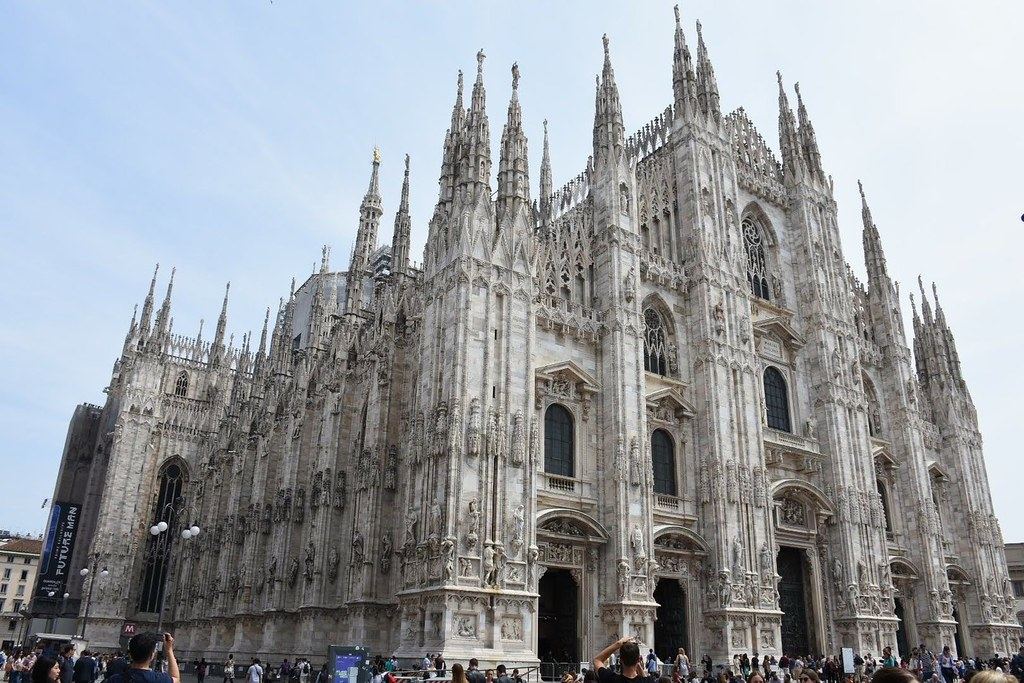
Thousands of mostly young people marched Saturday, Oct. 24, through Milan, Rome, Turin and other Italian cities, while large demonstrations also took place in Madrid, Lisbon and Tirana, according to the Associated Press reporting carried by PBS NewsHour and NPR. The protests cover a wide range of issues, including education, corruption, war, pensions and housing.
In Italy, authorities deployed large numbers of police and soldiers to prevent a repeat of the violence and looting that marked protests the week before. The Milan march stayed peaceful, but police had brief clashes with protesters in Rome and Turin, NPR reported.
Italy's security response
More soldiers and tougher penalties in Milan
Premier Giorgia Meloni announced a set of measures that included sending an additional 500 soldiers to Milan and tougher penalties for minors. Police said minors made up a large part of the violent protesters the previous week. Media reported that Milan police detained several minors as a preventive step.
The new troops joined hundreds already stationed in the city, supporting about 5,000 police and other security personnel, according to the AP. Authorities also used drone surveillance, railway station checks, rapid-response units and online monitoring for calls to violence. Defense Minister Guido Crosetto said the soldiers were only recently allowed to use plastic restraint ties, and only near train stations, and are not authorized to carry pepper spray or tasers.
Boarded windows and a peaceful finish
Luxury boutiques in Milan's fashion district, including Omega, Tiffany and Gucci, boarded up their windows, and the Apple store closed and stayed shut. Italian media reported that most shops had reopened by late afternoon. The march ended peacefully Saturday evening outside the Milan Polytechnic, more than 3 kilometers (2 miles) from the city center.
Milan police say the earlier violence involved about 2,000 very young protesters, and that 45 people, including 34 minors, were arrested over two days. Officials said Saturday they were investigating a 30-year-old freelance journalist described as the "mastermind" of the Oct. 17 movement, which the AP called the main driver of Italy's recent protests.
Clashes in Rome
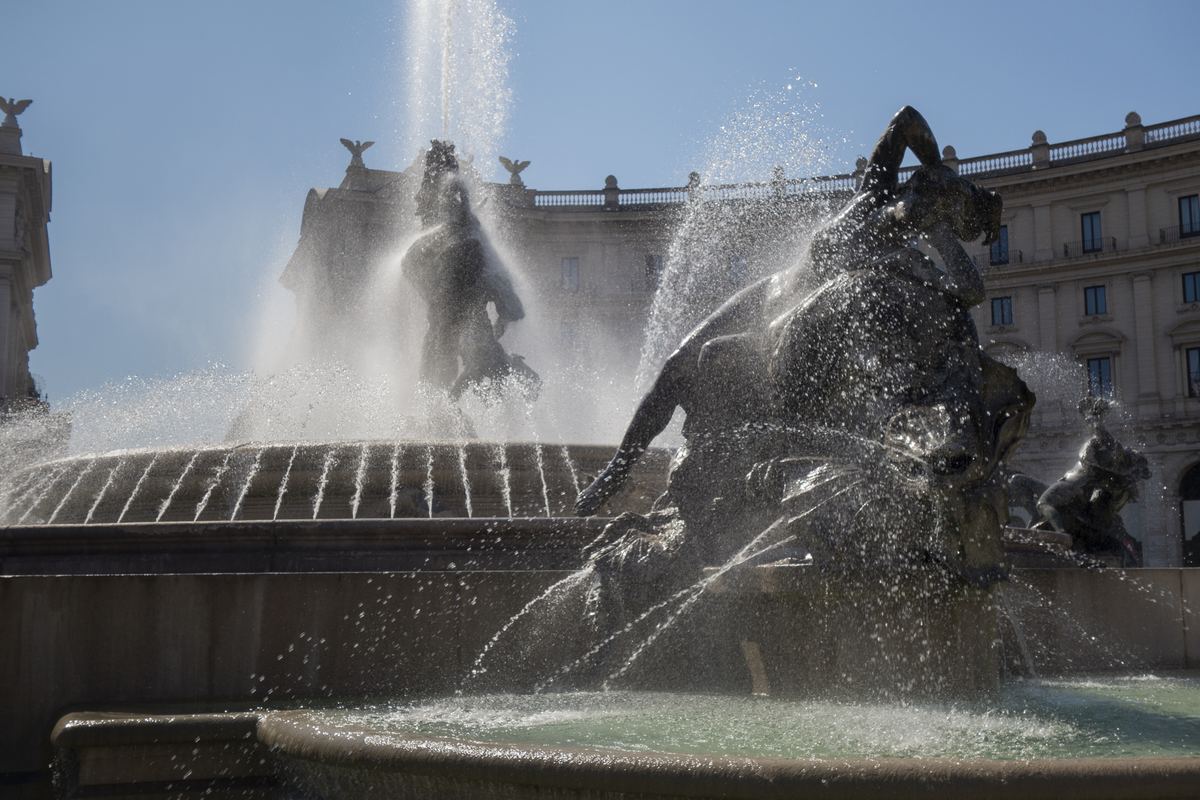
Rome locked down luxury shopping streets and increased controls around the Circus Maximus and Piazza del Popolo. A small number of protesters tried to force their way into the Colosseum but were removed by guards, and several hundred students marched peacefully to show they were not rioters. Marchers at a separate anti-war rally briefly clashed with police near the Piazza della Repubblica and pulled back when a water cannon was turned on.
Protests elsewhere in Europe
Albania
In Tirana, riot police used water cannons on large groups of protesters, some of whom set government buildings on fire, the AP reported. Authorities said 2,500 officers patrolled the streets Saturday. Students are calling for lower tuition, more state investment in education and an end to corruption in the education system, and some have joined calls for Prime Minister Edi Rama to resign.
Spain and Portugal
Thousands of retirees and others marched peacefully in Madrid to defend public pensions. "They are threatening us with privatizing pensions. It's just another thing they want to profit from," Maria José Benito, 68, told the AP. In Lisbon, protesters seeking affordable housing marched against government measures that ease the cap on yearly rent increases and make it easier to evict tenants who do not pay rent.
How leaders are responding
Rama said Saturday his government was preparing a response to the students' demands and invited them to talks, while warning that violent protesters will face penalties. Portuguese Prime Minister Luis Montenegro has defended his housing measures as a way to build trust between tenants and landlords and boost the rental market, according to NPR. Protesters say the measures leave tenants more vulnerable. For more coverage beyond the valley, see our national and world news section.
What to watch next
- Spain's snap election next month, held amid a dispute between the Socialist Party and the Popular Party over public pensions.
- Albania's government response to student demands, which Rama said is being prepared.
- Italian officials' investigation of the freelance journalist linked to the Oct. 17 movement.
- Milan's center-left mayoral primary in early 2027, which candidate Pierfrancesco Majorino plans to contest.