Schools · Valley-wide
UNLV students turned a 2018 Lincoln into a self-driving car and are now testing other uses for the technology
A UNLV engineering lab spent five years converting a stock sedan into a car that drives itself on campus, the Review-Journal reported, and is now exploring computer vision for uses like sports coaching.
Listen to this brief · 4 min
Read aloud by an AI voice from the text below. Download MP3
What happened
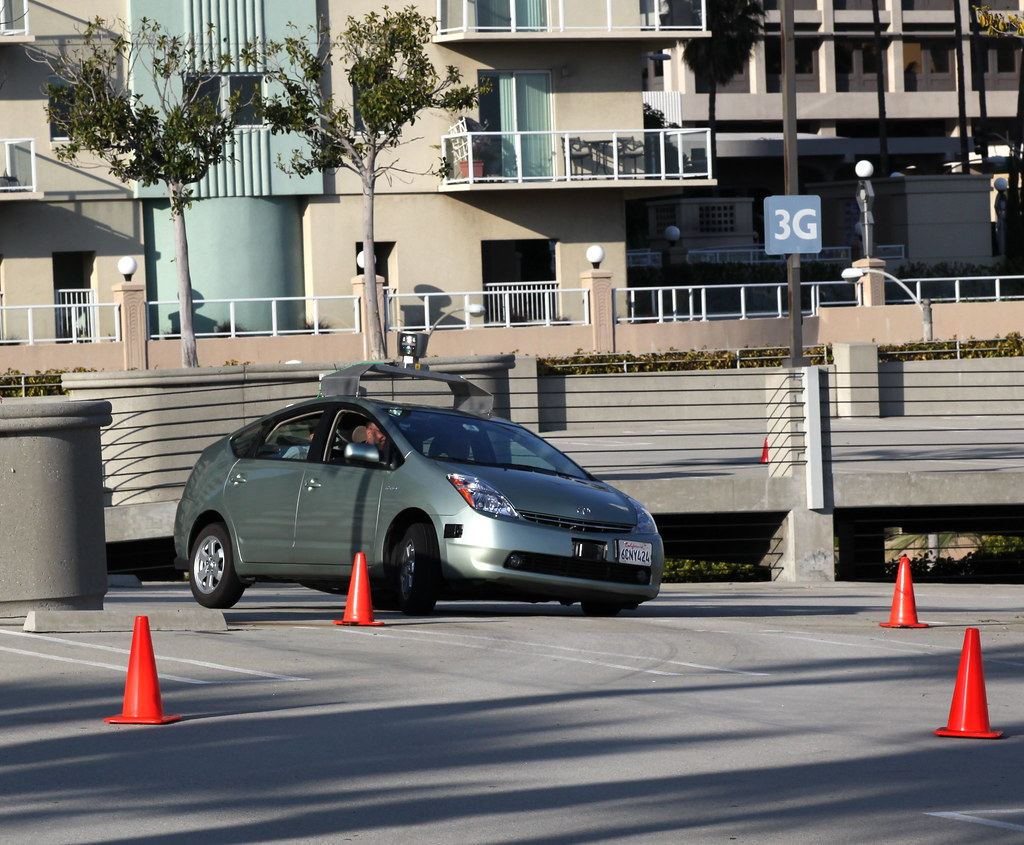
Students in a University of Nevada, Las Vegas lab have spent the past five years converting a stock 2018 Lincoln MKZ sedan into a car that drives itself, the Las Vegas Review-Journal reported. The car can now complete a loop of roughly a quarter mile between two UNLV parking lots. The lab is also testing other uses for the computer vision technology behind the vehicle.
The work happens in the Real Time Intelligent Systems Lab, led by Brendan Morris, an associate professor of electrical and computer engineering. According to the Review-Journal, the lab's goal is to help students enter the growing autonomous vehicle industry. Self-driving cars have become a more common sight on the streets of central Las Vegas.
How the UNLV car drives itself
Maps built with lidar
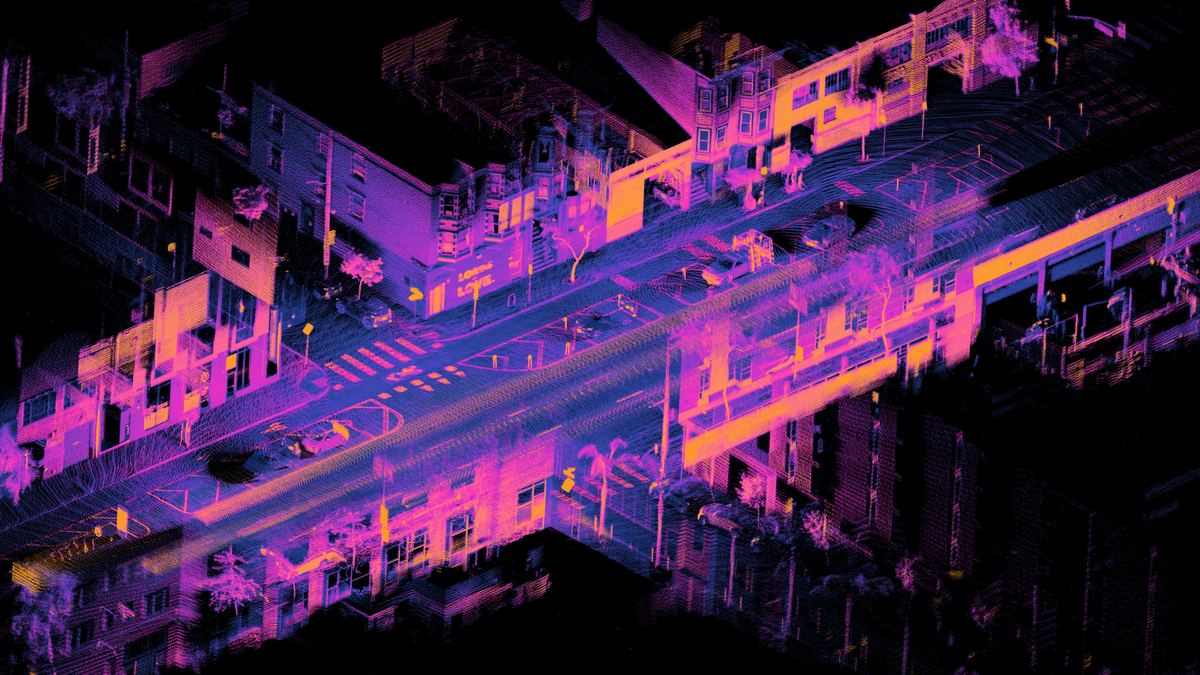
Morris told the Review-Journal that the car relies on a combination of pre-made maps and maps generated in real time. Students used lidar cameras, mounted on the hood in a pyramid-like rig, to map the route the car drives. Computer monitors are mounted throughout the car's interior.
Reacting to the road
While the car is moving, its cameras regularly capture updates so it can spot and respond to unexpected obstacles such as pedestrians or other vehicles. Morris said the lab stitches the incoming data together into one large map. With all the maps combined, he said, the car knows its position on the road to within 1 centimeter.
Testing in a simulator
Seven graduate and doctoral students work in the lab, the Review-Journal reported. One of them, electrical engineering graduate student Carlos Funes, runs the lab's simulation work on a rig with a steering wheel, three wide monitors and motion simulators. He built a digital re-creation of the car's current route so the team can test self-driving code and adjust its machine learning without risk of injury.
Funes said simulated testing also saves resources such as gas, electricity and tires. He told the Review-Journal he turned to roadway safety after his mother nearly died in a car crash while he was deciding what to study. "At that moment, I realized how distracted people are on the roads," Funes said.
Claims about safety and access
Morris views self-driving cars as the future of automobiles and a step up in road safety. He told the Review-Journal that the computer systems behind autonomous vehicles carry the equivalent of billions of miles of driving experience. "So, the reality is, it is safer than human drivers," he said.
He also said self-driving cars could let people with mobility issues get around on their own instead of relying on buses or paratransit. Morris said he expects a generation to grow up treating the technology as normal. He believes that generation will arrive within the next century.
Beyond cars: computer vision in sports
The automated Lincoln remains central to the lab, but Morris said researchers are looking at other uses for computer vision, according to the Review-Journal. He pointed to sports as one promising area. Using video athletes film of themselves, the technology could act as a judge in a sport like diving, scoring moves based on a history of scores and recorded performances.
Morris said the technology could also coach athletes who cannot afford or find a trainer. It could flag technique that raises injury risk, such as a baseball pitcher's throwing style that makes an arm injury more likely, and suggest ways to avoid getting hurt. "The idea is that we could potentially help democratize sports more," he said.
He said the technology could find uses in fields ranging from personal training to scientific studies, especially wherever an image needs to be examined by a person. For more on how these tools are spreading locally, see our AI and tech coverage and other education news.
What to watch next
- Morris told the Review-Journal he is still exploring different ways to put real-time computer vision to use, including judging and coaching in sports.
- The lab uses its simulator to test the car's self-driving code and adjust its machine learning as needed.