Nation · National
Strike on Riyadh's main airport kills 12, including a U.S. citizen, as Trump weighs joining Saudi strikes on Houthis
Saudi officials say Saturday's missile strike on King Khalid International Airport killed 12 people and injured more than 300. President Trump said the U.S. is weighing whether to join Saudi strikes against the Houthis.
Listen to this brief · 6 min
Read aloud by an AI voice from the text below. Download MP3
What happened
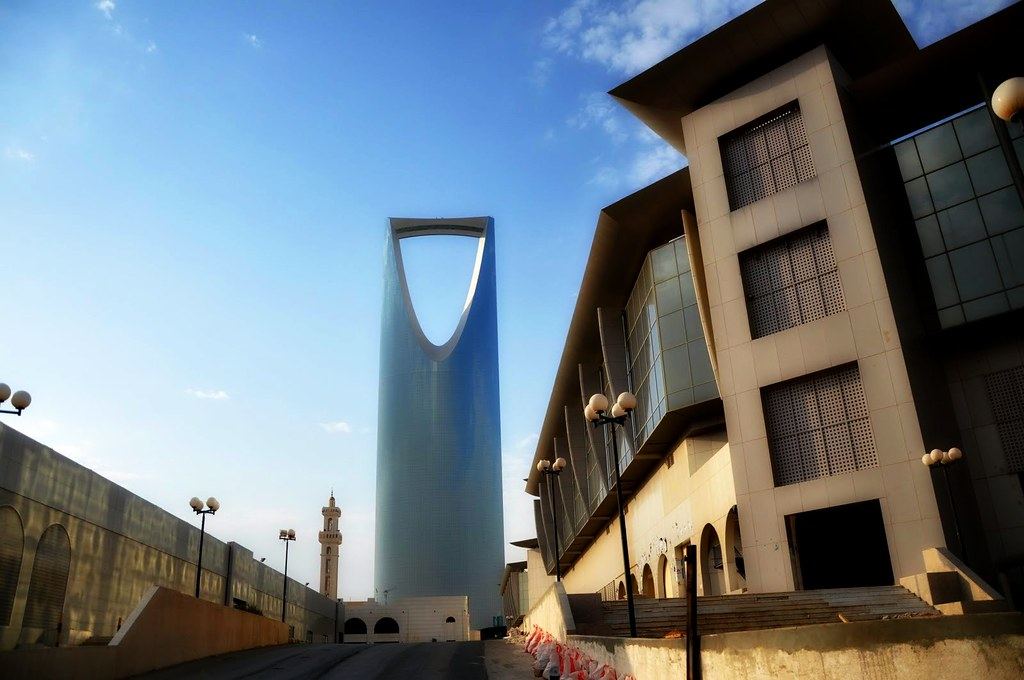
An attack Saturday afternoon on King Khalid International Airport in Riyadh, Saudi Arabia's capital, killed 12 people and injured 309 others, according to Saudi officials cited by CBS News. NPR, carrying an Associated Press report, said civil aviation authorities announced the toll early Sunday and that some of the injured were in critical condition.
A regional official who spoke on condition of anonymity said a missile hit an airport complex housing terminals 3 and 4, which serve domestic flights. Both outlets reported it was the deadliest attack in any Gulf Arab country since the start of the Iran war, and the latest of several on the same airport in the past week.
Who was killed and who is blamed
Victims from several countries
According to the Saudi statement as reported by NPR, the dead included four Saudi citizens, two Bangladeshi nationals, a U.S. citizen, and one person each from Palestine, Egypt, Jordan, Syria and Sudan. Officials said the injured were being treated at several hospitals.
Responsibility
NPR reported that the civil aviation statement did not assign blame. CBS News reported that a Saudi-led coalition in Yemen blamed the Iran-backed Houthi rebels. The Houthis had not claimed Saturday's strike, though CBS said they did claim earlier attacks on the airport this week that killed three Saudis, including a pilot. NPR noted the rebels sometimes take days to claim responsibility.
How the U.S. is responding
Trump weighs joining strikes
Shortly after the attack, President Donald Trump said he was evaluating whether the U.S. should join Saudi strikes against the Houthis. "We may. We're going to look at it," Trump said, according to NPR. He added that the administration had just learned of the attack and would decide quickly.
State Department reaction
Secretary of State Marco Rubio condemned the attacks on Saudi Arabia in a social media post, CBS News reported, noting that an American citizen was among those killed. A State Department spokesperson told CBS the administration is in close contact with its Saudi partners. Officials have said U.S. help has included intelligence sharing, target identification and planning for the latest offensive against the Houthis, according to NPR.
NPR reported the attack is expected to increase Saudi pressure on allies, including the United States, for military support. Regional officials told the AP last month that Saudi Arabia is running low on missile interceptors and had asked France, Britain, Pakistan and Egypt for air defense support. More coverage of national and world events is on our Nation page.
Disruption to air travel
Saudi authorities suspended airport operations, and flights were diverted, according to the Flightradar24 tracker. CBS News reported that Saudi Arabia extended the airport's closure on Sunday and that at least 291 flights had been canceled over 24 hours, citing FlightAware. The U.S., Britain, Germany, Australia and Canada warned their citizens to avoid the airport.
Before Saturday's strike, Air India, FlyDubai, Lufthansa Group and Pakistan International Airlines had suspended some flights to Saudi airports. The European Union Aviation Safety Agency warned that missile and drone attacks and interceptions "create an increased risk of misidentification of civil aircraft." Two regional officials said Thursday attacks on the Riyadh airport damaged three planes.
The wider conflict
The surge in attacks on Saudi airports, military sites and oil infrastructure followed a major offensive launched about a week ago by a Saudi-led coalition against the Houthis, both outlets reported. The coalition is giving air support to Yemeni government forces trying to reverse Houthi gains along the Red Sea coast.
Those gains gave the rebels better surveillance of shipping through the Bab al-Mandab Strait, which CBS described as a key alternative to the Strait of Hormuz, where Iran has been attacking ships. UN special envoy Hans Grundberg called Saturday's strike a "dangerous escalation," according to CBS News.
What to watch next
- Whether President Trump decides to have the U.S. join Saudi strikes against the Houthis.
- Whether the Houthis claim responsibility for Saturday's strike, which they had not done as of the latest reports.
- How long King Khalid International Airport stays closed after Saudi Arabia extended the closure on Sunday.
- Whether a major international energy conference set to begin in Riyadh on Sunday goes ahead as the Saudi energy ministry was still promoting it.