Community · Nevada
UNR scientist co-edits new journal on 'lost' species as federal endangered listings hit a record low
A UNR entomologist is helping document plants and animals not seen in a decade or more, as federal endangered species listings slow and Nevada's Fish and Wildlife Service staff shrinks by 38 percent.
Listen to this brief · 6 min
Read aloud by an AI voice from the text below. Download MP3
What happened
A UNR entomologist is co-editing a new scientific journal that tracks species scientists call "lost," The Nevada Independent reported. Matthew Forister and a team of scientists from around the world are using the Journal of Lost Species to document plants and animals that have not been seen in a decade or more but have not been confirmed extinct.
The journal launches as federal endangered species listings run at a record-low pace. According to the outlet, two years into President Donald Trump's second term, his administration has placed just three species on the endangered list, all in the southeast.
A Las Vegas wildflower that has gone missing
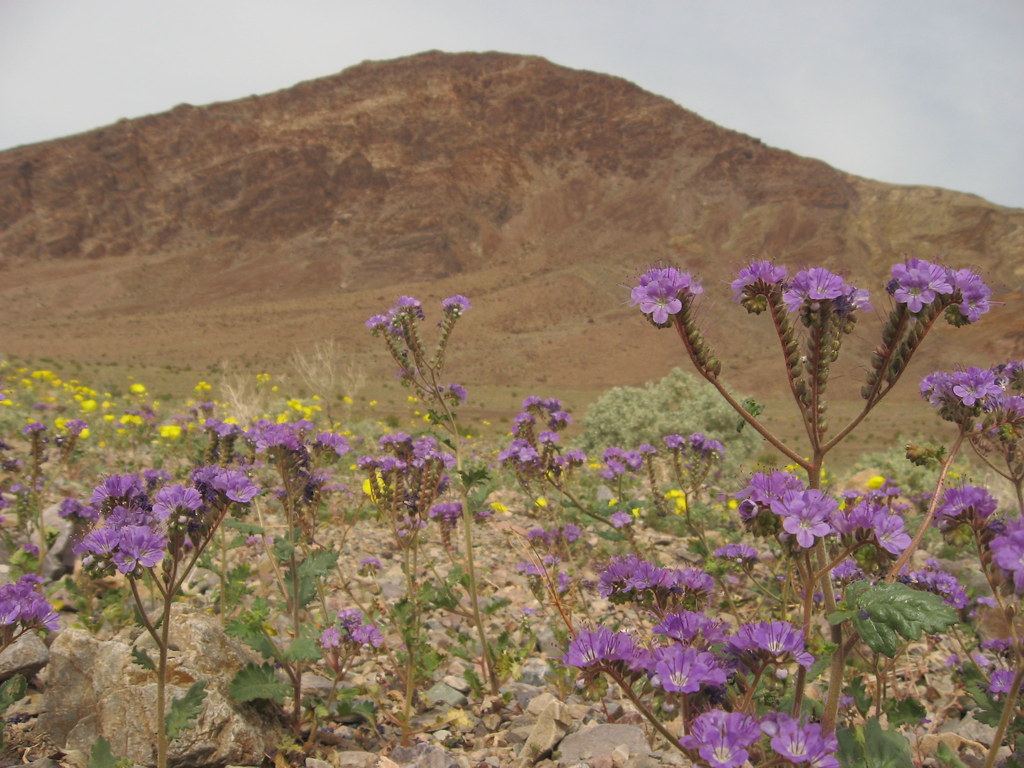
One example comes from the Las Vegas valley. Oreocarya insolita is a shin-high wildflower with white blossoms that bloomed each spring in the creosote scrub long before Fremont Street became a gambling hub. The Nevada Independent reported that no confirmed sighting has been logged in the Las Vegas area in nearly 100 years, and as far as scientists know, it grows nowhere else in the world.
Forister told the outlet that calling a species "lost" instead of "data deficient" changes how people respond, because a lost species inspires people to go look for it. He described the number of species not located in the last 10 years as "colossal." According to Re:wild, a conservation nonprofit partnering with the scientists, more than 4,300 species worldwide have not been documented in a decade or more.
Nevada's species at risk
What has already disappeared
Across Nevada, 20 modern animals, from American bison to Pyramid Lake pebblesnails, have been extirpated, the outlet reported. Some still live in other places, while others were found only in Nevada and are now extinct. Most of the state's extinct species, including the Raycraft and Ash Meadows poolfish, disappeared around the 1940s and '50s because of groundwater pumping, habitat destruction and nonnative species.
Dams also played a role. Jamey McClinton, administrator of the Nevada Division of Natural Heritage, told the outlet that Hoover Dam ended the Colorado Pikeminnow and humpback chub's existence in Nevada.
What remains at risk
Nearly 50 more Nevada plants and animals are on the federal endangered list or recognized as threatened, and nearly 600 others have a half dozen or fewer population groupings in the state. The Division of Natural Heritage ranks Nevada 11th in the nation for total species diversity and third for the number of species at risk, with more than 1,100 considered at high risk of disappearing from the state. Research from Forister's UNR lab shows butterfly populations across Nevada declining by about 25 percent every 20 years.
Federal listings, staffing and rules
Fewer species added
Since the Endangered Species Act was enacted in 1973, the U.S. Fish and Wildlife Service has listed an average of 34 species per year. Trump's administration protected 22 species during his first term, George W. Bush's administration listed 62 species in eight years, and Bill Clinton's listed well over 500 in eight years, the outlet reported. Nationally, about 400 species are awaiting listing, including more than two dozen in Nevada.
McClinton said the slowdown leaves more ambiguity for both industry and conservation. She told The Nevada Independent that it "increases the imperilment for a lot of species that are being petitioned because they're living in limbo."
Staff cuts in Nevada
Nevada's arm of the service has lost 38 percent of its staff since 2024, dropping from 134 employees to 85, according to public records obtained by the Center for Biological Diversity and shared with The Nevada Independent. Nationwide, the agency's staffing fell from 9,957 to 6,333 between 2024 and 2026. Noah Greenwald, the center's endangered species co-director, said the cuts and lack of listings make this a particularly dire time for at-risk species.
Rule changes and a lawsuit
The federal administration issued a rule this year making it easier to destroy the habitat of an endangered species, and another that allows economic factors to be considered when designating critical habitat. Habitat destruction of the endangered Dixie Valley toad in Churchill County has been a core issue in discussions about geothermal development and groundwater pumping there. Twenty states plus the District of Columbia have sued the Trump administration over its weakening of the Endangered Species Act, the outlet reported.
What to watch next
- Whether federal officials list Nevada's Fish Lake Valley tui chub, which The Nevada Independent reported is still being considered.
- The lawsuit by 20 states and the District of Columbia challenging changes to the Endangered Species Act.
- Action on a Center for Biological Diversity petition from early 2024 to list remaining Great Basin ramshorn populations in other states, which the agency has not yet acted on.
- New entries in the Journal of Lost Species as scientists document species not seen in a decade or more.