AI & Tech · National
FCC authorizes SpaceX to deploy up to 1 million satellites for Starmind data centers in space, drawing scientists' objections
The FCC on Wednesday authorized SpaceX's Starmind plan for up to 1 million AI chip-equipped satellites, the first approval for such a constellation, while astronomers warn of debris and brighter night skies.
Listen to this brief · 5 min
Read aloud by an AI voice from the text below. Download MP3
What the FCC approved
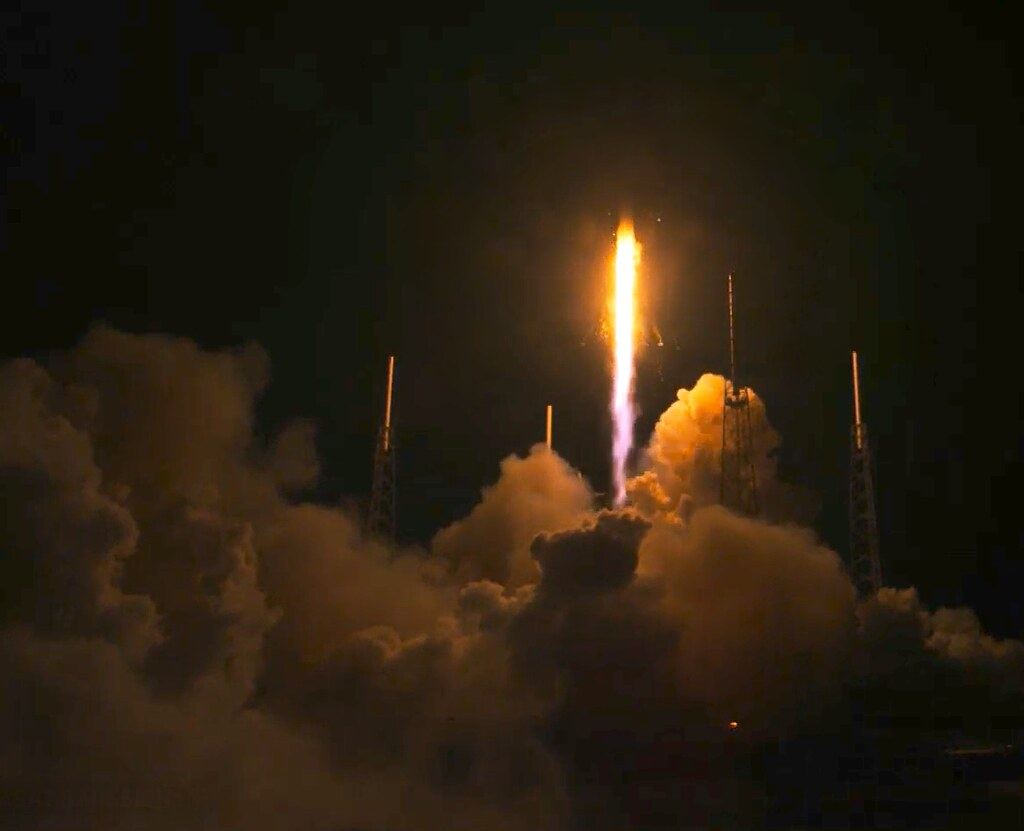
The Federal Communications Commission announced Wednesday that it has authorized SpaceX to deploy up to 1 million satellites equipped with AI chips, The Verge reported. The satellites are part of the Elon Musk-owned company's Starmind initiative, which aims to place data centers in orbit. According to The Verge, it is the first time the agency has approved a full constellation of AI satellites.
NPR reported that the FCC described the authorization as a historic first in the artificial intelligence race. FCC Chairman Brendan Carr said in a statement, "America is leading the world into the era of super intelligence," and added that the decision "opens a bold new frontier." Musk welcomed the decision on social media, according to NPR.
Deadlines and conditions in the order
The approval requires SpaceX to put at least one satellite in orbit by 2033 and reach the 1 million satellite mark by 2040, The Verge reported. The FCC also deferred a SpaceX request to move satellites above 600km into so-called graveyard orbits instead of letting them burn up in the atmosphere. The agency said the company had not provided "sufficient information" about its disposal plans, according to The Verge.
How Starmind is supposed to work
SpaceX has said Starmind would collect solar energy in space to power AI capabilities on Earth, The Verge reported. The company says the satellites would send data to the ground using high-speed lasers linked to Starlink. SpaceX plans to make chips for the satellites at an upcoming facility it calls Terafab.
According to NPR, the FCC said the network of "orbital compute modules" would process large amounts of data for use on Earth. Supporters of the concept argue that drawing power from the sun could ease strain on power grids and reduce the need for large computing warehouses on the ground, along with the water used to cool them. Readers can follow more coverage of computing and data centers in our AI and tech section.
Other companies pursuing space data centers
SpaceX is not alone. The Verge reported that Google launched a Project Suncatcher AI server satellite last month. Jeff Bezos' Blue Origin is scheduled to carry out the first dedicated heavy-lift launch for Project Suncatcher in 2029.
Why scientists are skeptical
NPR reported that scientists and industry experts point to major technical and financial obstacles, as well as environmental concerns. Astrophysicist and author Adam Becker called the plan "a fantasy," according to NPR.
Heat and cost
Space is cold, but it is also a vacuum that traps heat inside objects, NPR explained. Becker said there are "basic physical limits" on releasing that heat. He said spreading the hardware across many smaller satellites could be possible but would be expensive and difficult.
Debris and the night sky
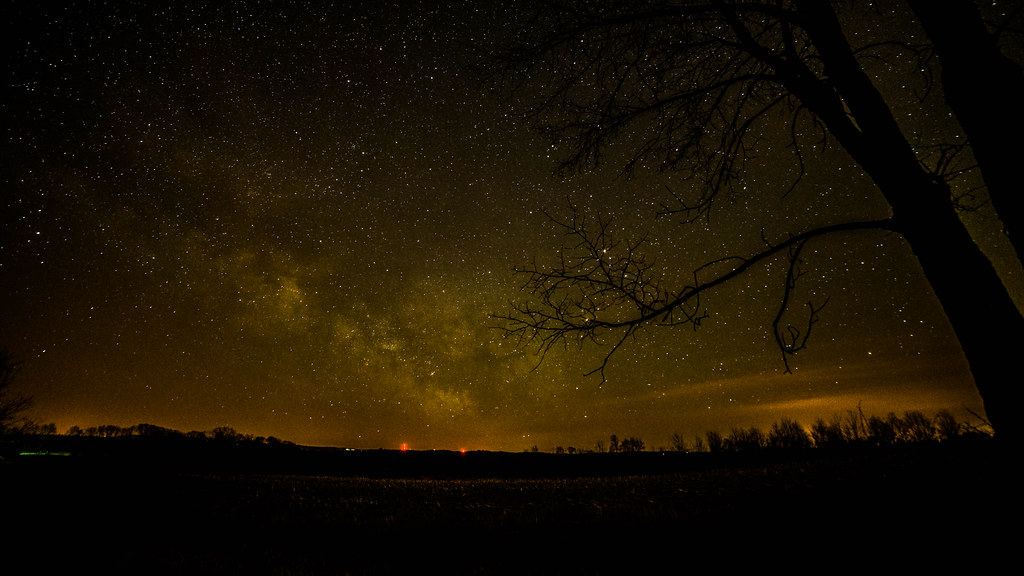
Critics also cite pollution from launches and reentries and the risk of collisions that could affect weather and telecommunication satellites in low Earth orbit. Becker warned of "a cascading set of space junk collisions," NPR reported. The American Astronomical Society said it was "disheartened and dismayed" by the decision and that the satellites would appear as extremely bright objects in the night sky for longer periods.
How the FCC handled objections
The FCC acknowledged receiving a "substantial number" of public comments, including petitions to deny the request, NPR reported. The American Astronomical Society, satellite company Viasat and Amazon-owned Kuiper Systems were among those asking the agency to reject it. The FCC said the constellation is consistent with its orbital debris rules, that deployment "serves the public interest," and that it dismissed issues outside its authority, such as environmental concerns.
Viasat, Amazon, SpaceX and the FCC did not immediately respond to requests for further comment Wednesday, according to NPR.
What to watch next
- Whether SpaceX provides the FCC enough information on its disposal plans for the deferred request to use graveyard orbits above 600km.
- SpaceX's deadline to deploy at least one satellite by 2033 and reach 1 million by 2040.
- Progress on SpaceX's planned Terafab chip facility for the Starmind satellites.
- Blue Origin's first dedicated heavy-lift launch for Google's Project Suncatcher, set for 2029.